




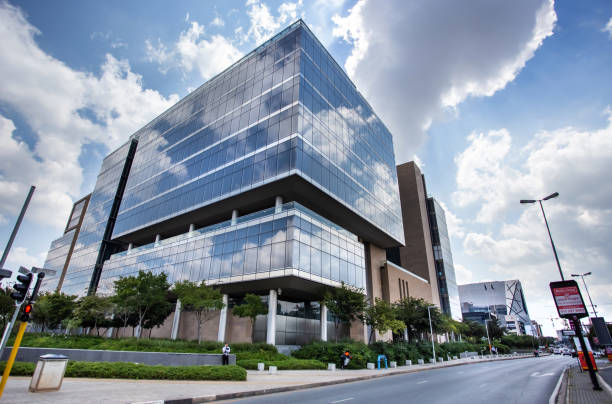
“South Africa’s commercial real estate sector is experiencing a wave of renewed activity, with first-time buyers driving over half of new loan applications in September 2026. Stable interest rates, affordability incentives, and regional hotspots are fueling growth in office, retail, and mixed-use developments.”
The South African commercial real estate market has entered September 2026 with a renewed sense of optimism. After years of volatility driven by inflationary pressures, global economic uncertainty, and fluctuating interest rates, the sector is now stabilizing. The most striking development is the dominance of first-time buyers (FTBs), who now represent 54.5% of all home loan applications. This trend is reshaping demand for commercial properties, particularly in the mid-market office and retail segments.
Interest Rate Stability and Market Confidence
The South African Reserve Bank (SARB) has held the prime lending rate at 10.50% and the repo rate at 7.00%. This stability has created a predictable environment for investors and buyers. While rates remain elevated compared to pre-2024 levels, the market has adjusted. For commercial property developers, this means financing costs are manageable, and long-term planning is possible. Analysts suggest that if inflation continues to ease, a modest rate cut could occur in Q4 2026, further boosting affordability.
First-Time Buyers and Commercial Demand
Traditionally, first-time buyers have focused on residential properties. However, the current wave of activity is spilling into commercial real estate, particularly small-scale office spaces, retail shops, and mixed-use developments. With government subsidies like FLISP and the R1.2 million transfer duty exemption, entry-level investors are finding opportunities in commercial hubs such as Johannesburg, Cape Town, and Durban. This democratization of property ownership is reshaping the sector, creating a more diversified investor base.
Regional Hotspots
- Johannesburg: Strong demand for office conversions into mixed-use spaces.
- Cape Town: Retail and hospitality-linked commercial properties are thriving due to tourism recovery.
- Durban: Logistics and warehousing developments are expanding, supported by port activity.
These hotspots highlight the regional disparities in growth, with mid-market properties (R1.5m–R3.5m) showing the strongest appreciation at 4–5% year-on-year.
Economic Climate and Affordability
South Africa’s inflation rate has cooled to 5.5%, easing household and business debt burdens. The household debt-to-disposable income ratio stands at 61.8%, reflecting cautious but improving financial health. For commercial investors, this means tenants are more likely to meet rental obligations, reducing vacancy risks.
Risks and Challenges
Despite optimism, risks remain:
- Global economic uncertainty could affect foreign investment.
- Infrastructure bottlenecks, particularly in Durban’s port, may slow logistics-linked developments.
- Affordability constraints still limit entry-level buyers in the commercial sector.
Outlook for Q4 2026
Market analysts predict continued growth in the mid-market commercial segment, with strong demand for mixed-use developments. If SARB introduces a modest rate cut, bond applications could rise further, reinforcing momentum. The sector is expected to close 2026 with 4–5% national property price growth, driven by resilient demand and strategic investment.
Conclusion
South Africa’s commercial real estate market is undergoing a structural shift, with first-time buyers emerging as a dominant force. Stable interest rates, affordability incentives, and regional hotspots are driving growth, positioning the sector for a strong close to 2026.



