




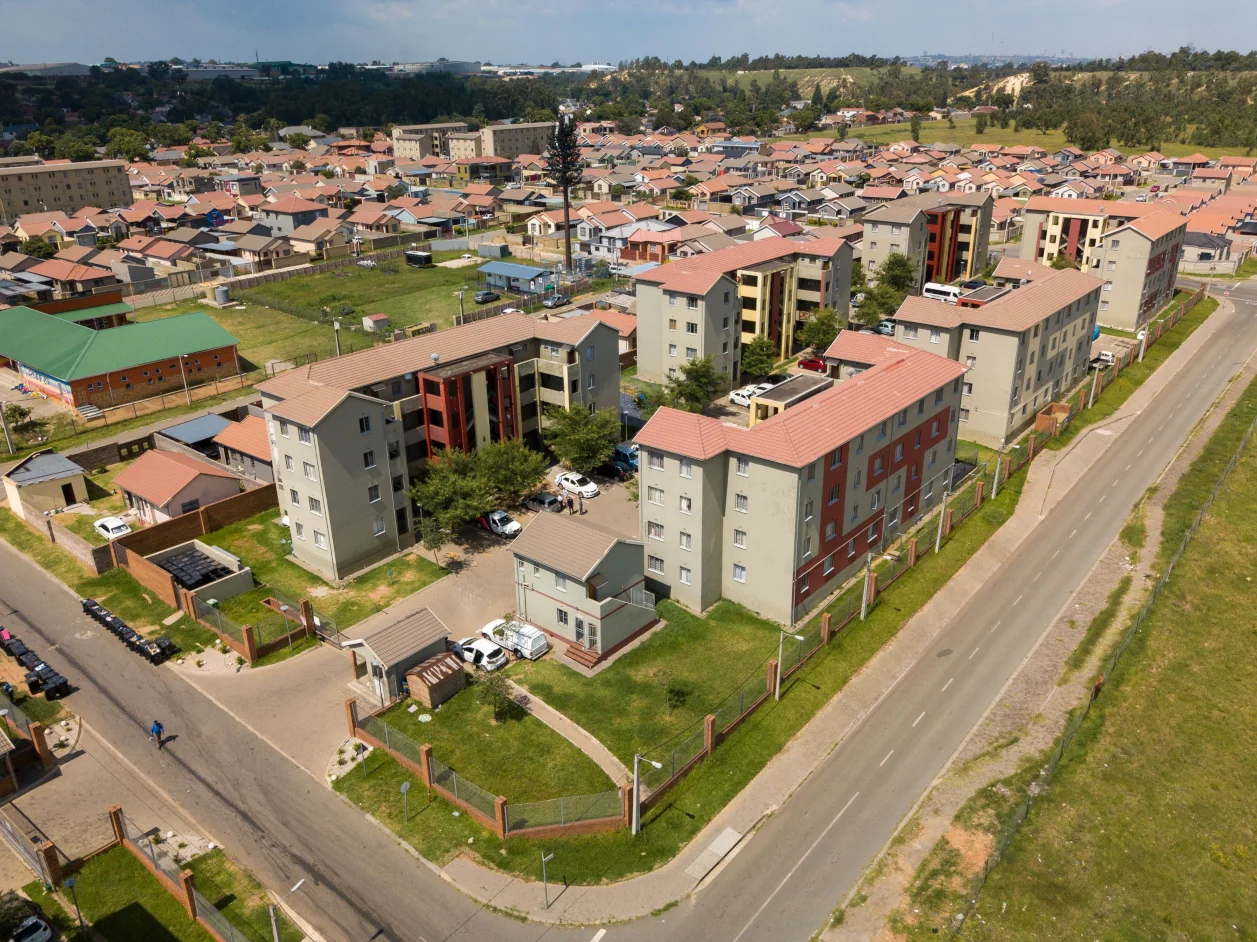
“South Africa’s residential property market continues to outperform inflation, with national prices rising 7.6% year-on-year and Cape Town recording an impressive 11% growth. While metros like Mangaung and eThekwini lag behind, these slower markets offer buyers more negotiating power and entry opportunities.”
The South African residential property market has entered September 2026 with renewed momentum, showing resilience against inflationary pressures and global economic uncertainty. National property prices are rising faster than consumer inflation, signaling strong investor confidence and sustained demand from first-time buyers.
National Trends
- National residential property prices rose 7.6% year-on-year, compared to consumer inflation at 4.0%.
- First-time buyers now account for 54.5% of home loan applications, reflecting affordability improvements and government subsidies like FLISP.
- The prime lending rate remains at 10.50% and the repo rate at 7.00%, stabilizing borrowing conditions.
Metropolitan Performance
- Cape Town: 11% growth, the strongest nationwide, contributing 4.3 percentage points to overall metro increases.
- Nelson Mandela Bay: 6.4% growth, showing solid regional demand.
- Johannesburg: 5.4% growth, driven by middle-income buyers.
- Buffalo City: 5.0% growth, reflecting steady suburban expansion.
- Ekurhuleni: 4.9% growth, supported by infrastructure projects.
- Mangaung: 2.8% growth, below inflation, offering buyer leverage.
- eThekwini (Durban): 3.7% growth, slower but with high stock availability.
- Tshwane (Pretoria): 3.8% growth, presenting opportunities for entry-level buyers.
Market Segmentation
- Pre-owned properties rose 8.5% nationally, outperforming new builds at 1.3%.
- Freehold properties grew 8.8%, compared to sectional title units at 6.0%.
Economic Context
- Inflation has cooled slightly, with CPI at 5.5% in August 2026.
- Household debt-to-income ratio stands at 61.8%, reflecting cautious but sustainable borrowing.
Buyer Opportunities
- Slower-growth metros like Mangaung and eThekwini provide greater negotiating power and more stock availability.
- Cape Town remains a premium market, but affordability challenges persist for first-time buyers.
- Government subsidies and transfer duty exemptions up to R1.2 million continue to support entry-level buyers.
Risks and Challenges
- Elevated interest rates still pose affordability constraints.
- Regional disparities highlight the importance of local employment and infrastructure conditions.
- Inflationary pressures, though easing, remain a risk to household budgets.
Conclusion
The South African residential property market in September 2026 demonstrates resilience, outperforming inflation and offering diverse opportunities across metros. Cape Town leads growth, while slower markets like Mangaung and Durban provide entry points for buyers seeking affordability. With stable lending conditions and strong first-time buyer participation, the sector is poised for continued expansion into 2027.



