




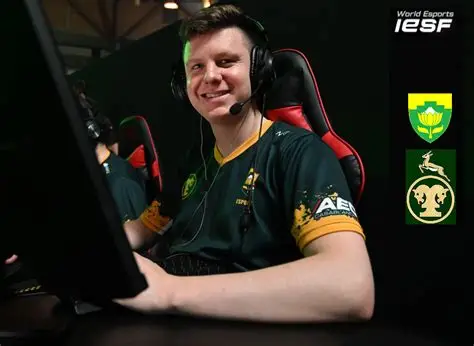
“South Africa’s CS2 national team has secured its place at the Esports Nation Cup 2026 finals in Riyadh without playing a single match, as all opponents in the Sub-Saharan Africa qualifier forfeited. While the achievement is historic, it raises questions about competitive depth, infrastructure, and organizational challenges in African esports.”
South Africa’s esports community is celebrating a milestone: the national Counter-Strike 2 (CS2) team has officially qualified for the Esports Nation Cup (ENC) 2026 finals. Yet, the journey to Riyadh was anything but conventional. Instead of battling through intense matches, the team advanced entirely through technical victories, as every opponent in the Sub-Saharan Africa qualifier either forfeited or failed to meet tournament requirements. This rare occurrence has ignited debate about the state of esports in Africa and the challenges of building sustainable competitive ecosystems.
Tournament Background
The Esports Nation Cup 2026 is the inaugural nation-based CS2 tournament organized under the Esports World Cup Foundation. Unlike traditional esports events where organizations compete, ENC features national teams representing their countries.
- Dates: November 10–15, 2026
- Location: Riyadh, Saudi Arabia
- Prize Pool: $1.32 million
- Format: 24 national teams, group stage followed by playoffs
This structure mirrors traditional sports, aiming to elevate esports into a globally recognized competitive discipline. For South Africa, securing the sole Sub-Saharan Africa slot is a landmark achievement, even if the path was unusual.
South Africa’s Path to Qualification
South Africa’s qualification was unique: every scheduled opponent forfeited. Matches were awarded administratively as technical wins. No completed series was played. While technical victories are not unheard of, advancing through an entire bracket without playing a single match is exceptionally rare.
This situation highlights both the promise and fragility of esports in emerging regions. On one hand, South Africa now has a chance to showcase its talent on the global stage. On the other, critics argue that the lack of competitive play undermines the legitimacy of the qualification.
Reactions and Debate
The qualification has sparked mixed reactions:
- Optimism: South Africa’s players will now compete against the world’s best, offering exposure and experience.
- Concerns: Skeptics worry that the absence of competitive matches leaves the team underprepared.
- Organizational Challenges: The forfeits reflect difficulties in assembling stable teams, securing funding, and ensuring compliance with tournament rules in developing esports markets.
Implications for African Esports
This event underscores broader issues in African esports:
- Infrastructure Gaps: Limited access to reliable internet, gaming hardware, and sponsorships.
- Talent Development: While individual skill exists, structured pathways for growth remain underdeveloped.
- Organizational Weaknesses: Many teams struggle with logistics, funding, and adherence to tournament standards.
Despite these challenges, South Africa’s qualification is a symbolic victory. It demonstrates that African nations can secure representation on the global stage, even if the road is unconventional.
Looking Ahead to Riyadh
The finals in Riyadh will feature 24 national teams, including powerhouses from Europe, North America, and Asia. South Africa’s squad faces a daunting challenge: competing against nations with far more developed esports ecosystems. Preparation will be key. Analysts suggest the team must engage in intensive scrimmages, secure international practice partners, and refine tactical approaches to stand a chance.
The prize pool of $1.32 million adds further stakes, with potential financial rewards that could fuel future development in South African esports.
Broader Significance
South Africa’s qualification is more than just a ticket to Riyadh. It is a reflection of both progress and persistent challenges in African esports. The event has already sparked conversations among sponsors, organizers, and policymakers about the need to invest in infrastructure, training, and organizational stability.
If South Africa performs well at the finals, it could catalyze greater investment and recognition for esports across the continent. Conversely, a poor showing might reinforce concerns about competitive readiness. Either way, the spotlight is now firmly on South Africa’s CS2 team.



