




“South Africa’s fashion accessories scene is highlighting the importance of distinctive jewellery, locally produced designs and expressive personal styling, with recent developments including the TRANSLATIONS creative retail platform in Cape Town and a jewellery collaboration between Cotton On RUBI and actress Luyanda Zwane. These developments illustrate how accessories can connect fashion retail with local creativity, consumer identity and opportunities for designers, although the underlying reports were published earlier in October rather than today.”
South Africa’s Fashion Accessories Scene Shifts Towards Bold Jewellery, Local Craft and Individual Expression
South Africa’s fashion accessories scene is embracing a more expressive approach to personal style, with bold jewellery, personalised handbags, distinctive headwear and locally crafted products attracting attention in recent fashion coverage. The movement reflects a growing interest in using smaller fashion purchases to transform existing wardrobes while giving designers and artisans opportunities to showcase their creativity.
Recent developments include the growing visibility of South African designers through the TRANSLATIONS retail platform in Cape Town and the launch of a jewellery collection created through a collaboration between Cotton On RUBI and actress Luyanda Zwane. Together with emerging styling trends, these developments demonstrate how accessories are becoming an important part of conversations about fashion identity, craftsmanship and retail innovation.
Accessories become the centrepiece of personal style
Accessories have traditionally complemented clothing, but current fashion coverage highlights how they can become the defining feature of an outfit. Rather than replacing an entire wardrobe, consumers can change its appearance through carefully selected jewellery, handbags, belts, scarves and other finishing touches.
A report published by The National on 15 October described an emerging preference for playful accessories among fashion enthusiasts in Cape Town, Johannesburg and Durban. Its examples included chunky jewellery, decorative bag charms, layered belts and retro-inspired headwear. The report presents these items as ways to introduce personality into otherwise simple outfits.
This approach offers practical advantages for shoppers who want to experiment with their appearance without purchasing numerous new garments. A plain T-shirt and jeans, for example, can look considerably different when paired with sculptural earrings, a colourful necklace, an unusual belt or a handbag decorated with distinctive charms.
The trend also creates opportunities for independent accessory makers. Items that feature distinctive materials, original designs or handcrafted details can help smaller businesses differentiate their products in a competitive marketplace.
Bold jewellery attracts renewed attention
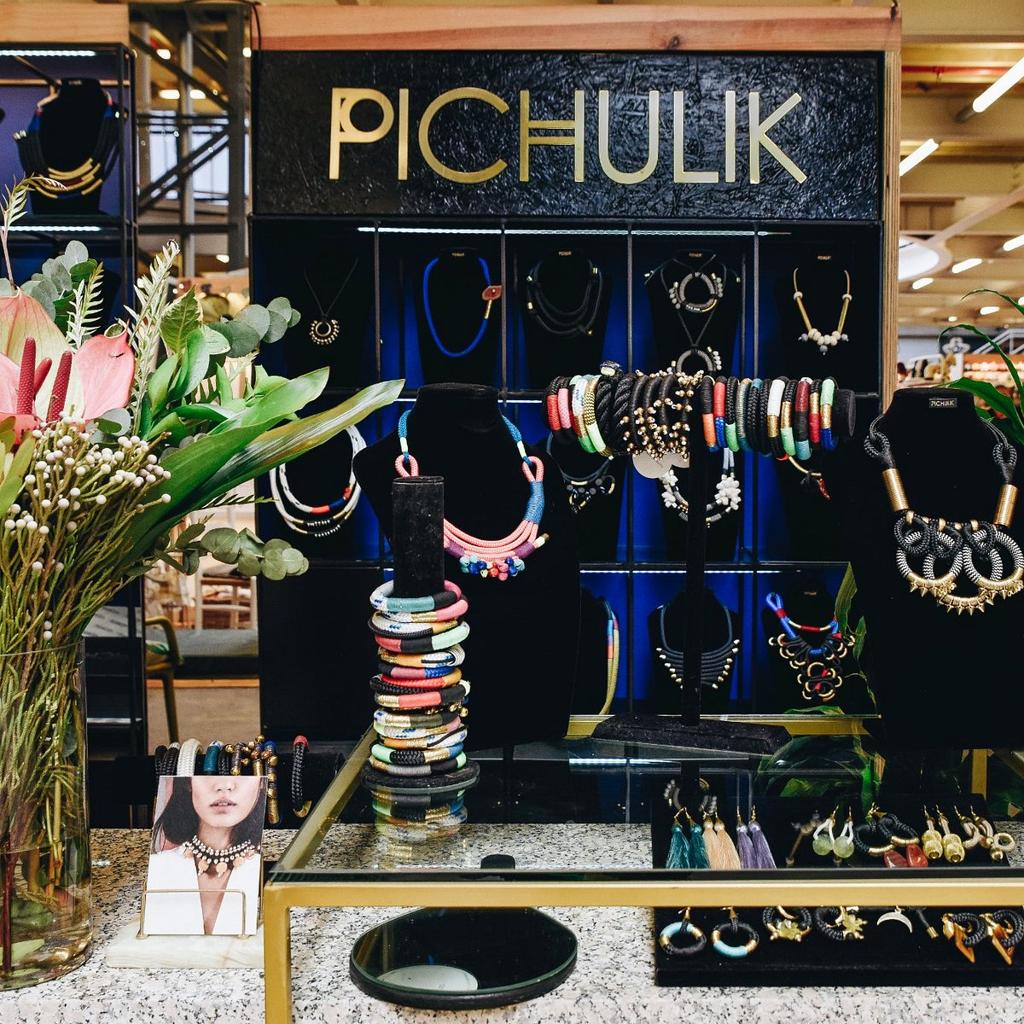
Jewellery remains one of the most versatile categories in the accessories market. Recent South African fashion coverage highlights chunky bangles, thick rings, brass cuffs, raw-metal pendants and multi-strand beaded chokers as examples of statement-making designs.
These pieces offer an alternative to understated jewellery by making colour, texture and shape more prominent. Oversized rings can provide a focal point for a simple outfit, while layered necklaces and substantial bracelets can create a more individual look.
The appeal extends beyond appearance. Jewellery can carry personal meaning, represent cultural influences or become a memorable gift. Consumers may therefore evaluate a piece according to its design, durability, sentimental value and suitability for everyday wear.
Retailers and designers also have opportunities to serve different preferences, from affordable fashion jewellery to carefully crafted pieces intended for long-term ownership. Clear product descriptions, accurate material information and realistic care instructions can help customers make informed purchasing decisions.
Cotton On RUBI and Luyanda Zwane bring collaboration into focus
A notable recent development is the collaboration between accessories brand Cotton On RUBI and South African actress Luyanda Zwane. EntertainmentSA reported on 15 October that the partnership introduced a collection of 19 waterproof jewellery pieces, with the launch scheduled for 16 October through online and selected physical retail channels. Subsequent coverage described launch activities in Cape Town and Johannesburg.
The collaboration illustrates how fashion retailers can work with recognisable cultural figures to introduce products to consumers. An established public personality can help communicate a collection’s inspiration, styling possibilities and intended audience, while a retail brand provides distribution and an existing customer base.
The partnership also demonstrates the value of creating a story around an accessory collection. According to EntertainmentSA, Zwane connected the project with themes of love, growth and self-expression.
For shoppers, the collaboration offers another example of jewellery being marketed as more than a decorative addition. The pieces are positioned within a broader narrative about identity and everyday personal style.
However, a celebrity partnership does not automatically guarantee product quality or suitability. Buyers should still consider materials, fit, care requirements, price and the retailer’s return policy before making a purchase.
Cape Town gives local designers a shared retail platform
Another important development is TRANSLATIONS, a curated retail and cultural platform that brought together fashion, accessories, jewellery, ceramics and handcrafted objects in Cape Town’s Salt River district on 20 October 2026.
Reporting by IOL explained that the event was presented by creative strategist Sumendra Chetty and hosted at Helon Melon Studio. Its purpose was to connect visitors with South African designers and the people, processes and craftsmanship behind their products. Participating names included Anna Rosholt Jewellery, Artho Eksteen, Karakal Temple and Studio Duo.
The initiative builds on a June pilot involving six designers, which reportedly generated more than R280,000 in retail sales. Although that result represents one event rather than the entire accessories industry, it illustrates the potential commercial value of bringing independent creative businesses together in a shared selling environment.
For accessory designers, curated events can provide access to customers who might not otherwise discover their work. They can also create opportunities to explain the materials, techniques and inspiration behind individual products.
For consumers, the experience offers an alternative to conventional shopping by allowing them to explore different creative disciplines in one place. This can encourage closer relationships between makers and buyers and make the purchasing experience more personal.
Handcrafted design strengthens the local fashion story
South Africa’s accessory market includes opportunities to combine contemporary styling with local materials, artistic traditions and cultural inspiration. Handcrafted jewellery, distinctive textiles, beaded pieces and individually designed handbags can communicate stories that mass-produced products may not convey in the same way.
The commercial challenge is to balance originality with consistent quality and practical production. Independent businesses must consider sourcing, labour, manufacturing costs, product finishing and reliable delivery while maintaining the distinctive characteristics that make their designs appealing.
Platforms that connect designers with customers may help address some of these challenges by increasing visibility and creating opportunities for direct sales. Nevertheless, long-term success depends on more than exposure. Designers need sustainable pricing, effective distribution, customer service and products that meet buyers’ expectations.
For consumers, purchasing locally designed accessories can provide a way to support creative businesses, provided they have accurate information about the product’s origin and manufacture.
Personalised handbags, belts and headwear broaden the trend
Jewellery is not the only accessory category attracting attention. The National’s October coverage also highlighted decorated handbags, stacked belts, scarves and unconventional headwear as ways to refresh familiar outfits.
Handbag personalisation is particularly adaptable. Charms, woven tassels, beaded key rings and decorative attachments allow shoppers to modify an existing bag instead of buying a replacement. The approach can also make everyday accessories feel more individual.
Belts are similarly moving beyond their practical function. Layering different styles or choosing a prominent buckle can change the proportions and character of an outfit. Meanwhile, silk scarves, bandanas and crocheted hats introduce colour, pattern and texture.
These trends are accessible because they can be adopted gradually. A shopper might begin with a single statement necklace or scarf and experiment with additional pieces over time. The important consideration is whether the accessories work with the wearer’s existing clothing, budget and personal preferences.
Affordability and responsible consumption matter
The interest in styling existing clothes with accessories also raises questions about responsible consumption. Buying fewer garments and using them for longer may reduce unnecessary wardrobe turnover, although the environmental benefits depend on what consumers purchase, how products are made and how long they remain in use.
Accessories are not automatically sustainable simply because they are small. Their environmental impact can depend on materials, manufacturing methods, packaging, transportation and durability.
Shoppers can make more considered decisions by choosing versatile products, caring for jewellery and handbags properly, repairing damaged items where practical and avoiding purchases that are unlikely to be used regularly.
Retailers can support this approach by providing transparent information about materials, manufacturing and product care rather than relying on vague sustainability claims.
Opportunities and challenges for South African businesses
The current developments create potential opportunities for fashion retailers, independent designers, artisans and online sellers. Smaller products can offer customers accessible entry points into a designer’s work, while collections built around a coherent theme can encourage repeat interest.
Digital platforms also allow businesses to demonstrate how accessories can be styled, explain product features and communicate directly with customers. However, businesses must ensure that promotional images accurately represent the products and that claims about waterproofing, materials and durability are supported by reliable information.
Competition remains a challenge. Distinctive design must be accompanied by appropriate pricing, consistent quality, dependable stock management and responsive customer service.
Events such as TRANSLATIONS can improve exposure, but designers still need ways to reach customers after an event ends. Online retail, partnerships and repeat participation in curated markets may help extend that visibility.
Outlook for the accessories sector
South Africa’s recent accessories coverage points towards a fashion environment in which individuality, craftsmanship and creative styling are receiving attention alongside conventional retail launches. Bold jewellery and personalised accessories provide consumers with practical ways to change their appearance, while curated design events create opportunities for local makers to introduce their work to new audiences.
The Cotton On RUBI collaboration with Luyanda Zwane demonstrates one approach to combining retail distribution with public-facing creative partnerships. TRANSLATIONS offers another model by bringing independent designers together in a shared retail setting. Neither development alone establishes the direction of the entire national market, but both illustrate different ways accessories can connect creativity and commerce.
Ultimately, the sector’s prospects will depend on whether designers and retailers can turn attention into lasting customer relationships. Originality, product quality, transparent information and responsible business practices will remain important as consumers decide which accessories deserve a place in their wardrobes.
For South African shoppers, the message is straightforward: personal style does not always require a complete wardrobe transformation. A thoughtfully chosen piece of jewellery, a locally designed handbag or a distinctive scarf can make an outfit feel new while giving creative businesses another opportunity to thrive.



