




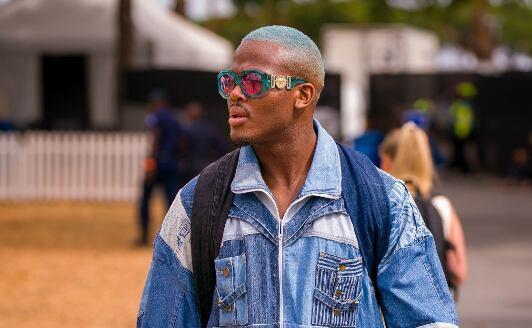
“South Africa’s streetwear scene is increasingly connecting everyday urban culture with sustainability and high-fashion design, as demonstrated by the Engen Xtreme Kouture collection and recent South African Fashion Week showcases. These developments highlight how local designers can draw on automotive culture, music, sports and discarded materials to create distinctive fashion while opening conversations about local craftsmanship and responsible production.”
South African streetwear moves beyond clothing into culture, sustainability and identity
South African streetwear is developing into an increasingly diverse creative space where clothing reflects the country’s urban communities, music, motorsport, sport and environmental concerns. Recent fashion developments show how designers are challenging the traditional boundaries between street fashion and high fashion, using familiar cultural references to create collections that are both visually distinctive and socially relevant.
A notable example is Engen Xtreme Kouture, a collection unveiled at the Heat on the Street event at Kwamagesh Spinning Arena in Gauteng on 10 October 2026. Reported by IOL on 19 October, the project brought together automotive culture and fashion through garments created using recycled lubricant packaging, bottle caps, discarded textiles and repurposed corporate workwear.
The collection offers a particularly South African interpretation of streetwear. Instead of treating garages, spinning arenas and automotive workshops as places unrelated to fashion, the project recognises them as environments where people already express identity through colour, customisation, clothing and personal style.
This approach reflects a broader principle within streetwear: fashion does not need to originate in established luxury houses to influence the way people dress. It can emerge from everyday experiences, neighbourhood communities, popular music and the creative decisions people make when adapting ordinary clothing to their own tastes.
Automotive culture becomes a source of fashion inspiration
South Africa’s spinning culture provides an especially distinctive foundation for streetwear design. Spinning combines driving skill, performance, mechanical knowledge and spectacle, attracting communities whose interests extend beyond vehicles themselves.
The Engen Xtreme Kouture collection explored this relationship through oversized silhouettes, layered garments, checks, denim and unconventional combinations of materials. Designer Carlo Gibson drew inspiration from mechanics, spinners, petrolheads and other people connected to the country’s automotive culture.
Rather than reproducing workwear as a costume, the project reinterpreted its materials and visual language. Garments transformed discarded industrial packaging and familiar workshop references into pieces intended to be considered as contemporary fashion.
This creative process demonstrates how streetwear designers can develop original identities by studying the communities around them. Automotive enthusiasts, musicians, dancers, skaters and sports supporters all have their own visual languages. Translating those references into clothing can produce designs that feel more connected to lived experiences than collections built exclusively around passing international trends.
The approach also broadens the definition of fashion participation. Mechanics and other skilled workers become sources of creative inspiration rather than remaining outside conversations about design. Their practical knowledge, working environments and cultural contributions become part of the story behind a collection.
For South African designers, this creates opportunities to develop locally recognisable products. International fashion trends can provide inspiration, but distinctive references to South African communities can help brands establish identities that are harder to replicate elsewhere.
Sustainability becomes part of the streetwear conversation
The use of recovered materials is another important aspect of Engen Xtreme Kouture. The collection incorporated discarded packaging, old denim, repurposed workwear and other recovered materials, demonstrating how waste can become a starting point for experimentation.
Sustainability in fashion, however, involves more than using recycled materials. Designers must consider how garments are produced, how long they last, how easily they can be repaired and what happens to them when consumers no longer want them.
Gibson’s approach, as described in IOL’s report, recognises that different materials have different environmental impacts. Cotton, polyester, recycling and manufacturing all involve trade-offs. Consequently, responsible design requires practical decisions rather than unsupported claims that a collection is entirely environmentally harmless.
For streetwear businesses, durability is particularly relevant. Many streetwear products rely on T-shirts, hoodies, denim, jackets and accessories that consumers expect to wear repeatedly. Strong construction, appropriate fabric choices and thoughtful garment design can help extend their useful lives.
Upcycling can also provide designers with a way to distinguish their products in a competitive market. A garment made from recovered materials may have an unusual texture, appearance or production story that sets it apart from mass-produced alternatives.
Nevertheless, upcycling presents commercial challenges. Recovered materials are not always available in consistent quantities, and their condition can vary. Producing identical garments at scale may therefore be difficult. Designers need to balance creative experimentation with quality control, pricing and realistic production capacity.
Limited collections can provide one response to these challenges. Rather than promising unlimited quantities, a designer can create a carefully planned release based on available materials. This strategy may support distinctive products while helping a business avoid committing to quantities that its materials or manufacturing processes cannot support.
South African Fashion Week brings streetwear into the mainstream
Recent activity at South African Fashion Week provides another indication of the relationship between street culture and established fashion platforms.
The Autumn/Winter 2027 programme took place at The Forum at Hyde Park Corner in Johannesburg from 21 to 25 October 2026. Its schedule included established designers and emerging creative voices working across streetwear, menswear, tailoring, heritage, craftsmanship and contemporary African design.
Coverage published by Time Out on 26 October highlighted the variety of presentations, including the streetwear label THRRR…PHAAA!, emerging designers and the From Field to Fashion collaboration featuring Orlando Pirates.
The participation of the football club was particularly notable because it connected sportswear with the runway. The collaboration brought together designers David Tlale, Nao Serati, Good Good Good and Yona, with Orlando Pirates players presenting the club’s 2026/27 third kit.
Sportswear and streetwear have long shared an important relationship. Football shirts, tracksuits, sneakers and team jackets often become part of everyday fashion, particularly when supporters adapt sporting apparel to personal styles.
This relationship offers opportunities for designers to create products that reach audiences beyond conventional fashion consumers. Supporters may purchase clothing because of their connection to a team, while fashion enthusiasts may appreciate the design, silhouette or cultural significance of the same item.
Collaborations can also introduce designers to new customers. However, a successful partnership requires more than placing a logo on a garment. Fit, fabric quality, originality and an understanding of the intended audience remain important to creating products people want to wear.
Local designers can turn cultural identity into commercial value
South African streetwear operates within a market where international brands compete with homegrown labels for consumer attention. Local designers can respond by developing products that communicate a clear identity and provide customers with meaningful reasons to choose them.
The success of a streetwear business depends on several interconnected factors: design, product quality, affordability, distribution and customer trust. Social media visibility can help introduce a brand to new audiences, but repeat purchases generally require customers to feel that the product delivers value.
Local cultural references can be valuable when they are used thoughtfully. Designers may draw inspiration from regional music scenes, neighbourhood identities, languages, sporting traditions and contemporary art. These influences can help create collections that communicate a specific perspective instead of simply repeating familiar international graphics.
However, cultural identity should not be treated as a substitute for commercial discipline. Businesses still need reliable suppliers, appropriate sizing, clear product descriptions, accurate delivery information and customer service. Smaller labels must also manage cash flow carefully, especially when manufacturing garments before knowing how many customers will purchase them.
For emerging designers, limited releases and direct online sales may offer ways to test demand before expanding production. Pop-up events, fashion markets and collaborations can also provide opportunities to introduce products to potential customers.
South African Fashion Week demonstrates the value of platforms that bring different parts of the industry together. Established designers, emerging creatives, fashion students, manufacturers and retailers can benefit from opportunities to exchange ideas and build professional relationships.
The challenge of competing in a crowded fashion market
Despite the opportunities, South African streetwear businesses face practical obstacles. Production costs, access to suitable materials, marketing expenses and distribution can make it difficult for smaller labels to compete with brands that have established retail networks.
Imported fashion also creates competitive pressure, particularly when consumers recognise international logos and associate them with premium quality or status. Local brands need to demonstrate their own value through design, craftsmanship, reliability and distinctive products.
Sustainability can introduce further complexity. Recycled materials do not automatically make a garment affordable, durable or commercially successful. Some production methods require additional labour, while unusual materials may demand specialised skills or equipment.
Consequently, designers must evaluate whether a creative concept can be translated into a product that customers can realistically purchase and use. A striking runway garment may attract attention, but a viable business also needs products suitable for everyday wear, appropriate price points and dependable production.
The Engen Xtreme Kouture project illustrates the creative potential of reusing materials, but its long-term commercial implications should not be assumed without further evidence about sales, production volumes and consumer demand.
Likewise, the attention generated by South African Fashion Week does not automatically guarantee success for every participating label. Designers must continue developing their businesses after the runway presentation ends.
Digital marketing creates new opportunities for independent labels
Digital platforms can help independent streetwear brands reach consumers without relying entirely on expensive physical retail locations. Short-form videos, product photography, behind-the-scenes content and collaborations with musicians or athletes can introduce a brand’s identity to potential customers.
For South African labels, storytelling can be particularly effective when it explains how a product was made, where its inspiration originated and what distinguishes it from competing products. A video showing the transformation of recovered materials into a finished garment, for example, can communicate the creative process as well as the final design.
Nevertheless, marketing claims should remain accurate. Businesses promoting sustainable collections should explain their actual material choices and production practices rather than relying on vague environmental promises. Product images should also represent the garments customers will receive.
Digital marketing is most useful when it connects attention with a straightforward purchasing experience. Clear pricing, available sizes, payment options, delivery conditions and return policies help customers make informed decisions.
Independent designers can also use customer feedback to understand which products deserve further investment. Testing a limited collection before expanding production may reduce inventory risks and help brands identify their strongest designs.
What the latest developments mean for South African fashion
The recent intersection of automotive culture, sustainability, sport and streetwear suggests that South African fashion is drawing on a broad range of creative influences. Engen Xtreme Kouture demonstrates how an industrial setting can inspire experimental garments, while South African Fashion Week provides a platform for designers to present street-inspired ideas alongside other forms of contemporary fashion.
Together, these developments underline the importance of local context. South African streetwear does not need to reproduce international styles exactly to attract attention. Its strongest opportunities may lie in interpreting the country’s own cultural experiences through contemporary design.
For consumers, this can mean greater variety and more opportunities to support local creative businesses. For designers, it creates the possibility of developing recognisable brands with a distinctive point of view. For manufacturers and other industry participants, it may create demand for skills in garment construction, textile recovery, printing and small-scale production.
Realising that potential will require continued investment, reliable business practices and access to customers. Creative recognition is an important starting point, but the long-term strength of the sector will depend on whether designers can turn original ideas into high-quality products and sustainable businesses.
Conclusion: South African streetwear is increasingly demonstrating that fashion can emerge from everyday culture, including garages, spinning arenas, football communities and local creative networks. The recent developments covered by IOL and South African Fashion Week point towards a fashion landscape in which cultural identity, responsible material choices and commercial innovation can work together. Although the evidence reviewed does not establish a single streetwear story published on 27 October itself, it provides a strong picture of the developments shaping South African streetwear in late October 2026.



