




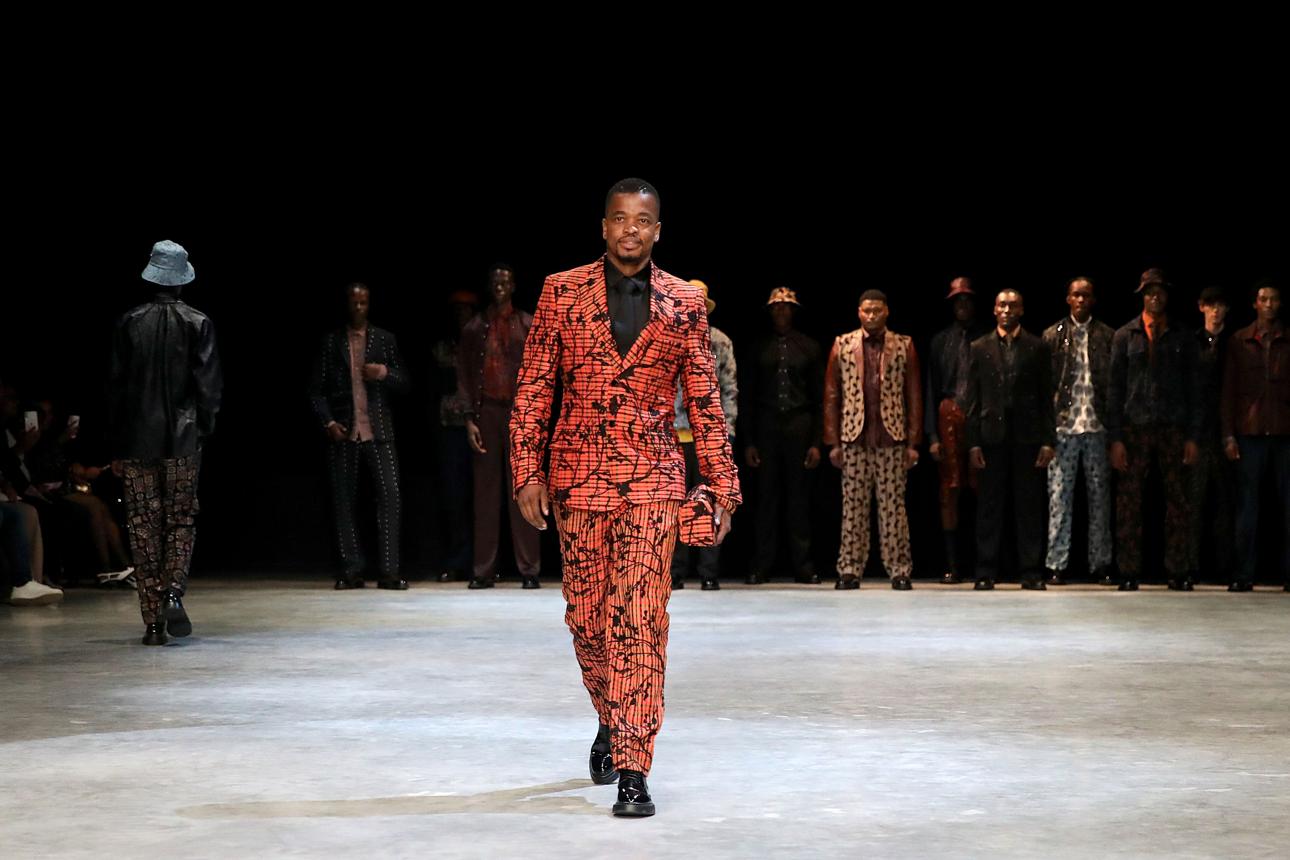
“South African Fashion Week’s Autumn/Winter 2027 programme concluded in Johannesburg with collections from established and emerging designers, a first South African presentation by Pierre Cardin, sustainability-focused fashion and a groundbreaking runway collaboration featuring Orlando Pirates footballers. The event highlighted the importance of local craftsmanship, creative mentorship, cultural identity and new partnerships in strengthening South Africa’s fashion industry.”
South African Fashion Week AW27 Puts Local Creativity, Sustainability and Fashion Innovation in the Spotlight
South African Fashion Week’s Autumn/Winter 2027 showcase has placed the country’s fashion industry firmly in the spotlight, bringing together established designers, emerging creative talent, international fashion influence and innovative collaborations. The programme, staged in Johannesburg during October, demonstrated how fashion events can extend beyond clothing presentations to become platforms for cultural expression, professional development, sustainability and commercial opportunity.
The event’s closing programme, which ran through Sunday, 25 October, featured celebrated designer Gert-Johan Coetzee, whose return to the runway attracted particular attention after a period of recovery from major surgery. Other highlights included Fundudzi by Craig Jacobs’ sustainability-focused presentation, Black Coffee’s collaboration with Joburg Ballet and the unusual partnership between Orlando Pirates footballers and South African fashion designers.
Together, these presentations reflected the diversity of contemporary South African fashion and the growing importance of events that connect designers with audiences, businesses, media and potential customers.
A major platform for South African fashion
South African Fashion Week has developed into an important platform for showcasing local design and connecting the creative sector with the wider fashion business. Founded in Johannesburg in 1997, the organisation brings together designers, fashion education, manufacturing, media and commercial opportunities.
Its AW27 programme placed particular emphasis on handmade excellence, contemporary urban individuality and the skills required to build a sustainable designer-led industry. The official programme announcement highlighted the importance of craftsmanship, including cutting, construction, finishing and surface work, in distinguishing local fashion design.
This emphasis is significant in a market where designers must balance artistic ambition with the practical realities of producing garments, reaching customers and maintaining viable businesses. Fashion events provide opportunities to introduce new collections, build brand recognition, develop professional relationships and demonstrate the commercial potential of locally produced clothing.
The programme featured established names such as David Tlale, Gert-Johan Coetzee, Thabo Makhetha, Ephymol, Colleen Eitzen and Craig Jacobs of Fundudzi, alongside newer creative voices. Their participation demonstrated the range of approaches shaping the country’s fashion landscape, from elaborate eveningwear and contemporary tailoring to streetwear and designs influenced by cultural heritage.
Gert-Johan Coetzee’s emotional return
One of the most closely watched moments came when Gert-Johan Coetzee closed the fashion week with his Autumn/Winter 2027 collection, Reflections.
The designer returned to the runway almost a year after undergoing a 12-hour operation to remove a rare benign brain tumour. Speaking to Sowetan, Coetzee described his return to public life as an emotional and humbling experience, explaining that his health journey had changed how he viewed himself and his work.
Consequently, the collection carried meaning beyond its appearance on the runway. It represented a return to a profession that had played a central role in his life, while acknowledging the personal changes that accompany a serious health experience.
The presentation featured dramatic bridal designs, including a gown inspired by melting candle wax, long veils and voluminous ballerina-style skirts. Other looks included jewel-toned eveningwear, contemporary street-inspired pieces and sculptural garments that reflected the designer’s distinctive visual language.
The show demonstrated how fashion can communicate personal experiences through silhouettes, materials, colour and presentation. For audiences, such collections offer more than seasonal style predictions: they create opportunities to connect emotionally with the people and stories behind the designs.
Coetzee’s appearance also highlighted the importance of experienced designers within the local fashion industry. Their participation sustains public interest in fashion events while providing younger creatives with examples of how artistic identity and professional experience can shape a long-term career.
Another important feature of the programme was the return of David Tlale, who opened the event with a presentation at the historic Johannesburg City Library before appearing in the wider programme of fashion showcases.
His collection featured architectural tailoring, dramatic shoulders, layered winter garments, floor-length dresses and bold patterns. However, the significance of his participation extended beyond the clothes themselves.
Tlale also presented work associated with The Intern by David Tlale, a mentorship initiative intended to help emerging designers understand the professional realities of the fashion business. The programme has provided a platform for younger creatives to develop their ideas while learning about the practical requirements of building a viable label.
This approach addresses a challenge faced by many aspiring designers: creative ability alone does not guarantee commercial success. Designers must also understand production costs, material sourcing, garment construction, pricing, repeatable manufacturing and customer demand.
Fashion events can help bridge that gap by bringing emerging talent into contact with experienced professionals, industry audiences and potential collaborators. When mentorship is integrated into runway programmes, young designers receive visibility while gaining exposure to the standards expected in the professional marketplace.
The wider lesson is that the future of South African fashion depends not only on discovering talent but also on developing the skills, business knowledge and production capabilities needed to sustain it.
The AW27 season also included a significant international development through the arrival of the Pierre Cardin Young Designers Award in South Africa.
According to the official announcement, the initiative took place in Johannesburg from 19 to 21 October 2026, combining a workshop for fashion students with a competition and a Pierre Cardin runway presentation. Participants had the opportunity to present creative projects and engage with Rodrigo Basilicati Cardin and members of the fashion house’s design team.
The initiative is designed to encourage innovation and support emerging designers through professional exposure and mentorship. Its international dimension creates an opportunity for South African talent to engage with a fashion house whose history includes experimentation across fashion, architecture and design.
The programme’s significance lies in the possibility of connecting local creativity with wider professional networks. Young designers benefit when they can learn from established practitioners, understand different approaches to design development and gain insight into the expectations of international fashion businesses.
At the same time, international participation can introduce new audiences to South African fashion. These exchanges are most valuable when they create lasting opportunities for collaboration, skills development and commercial growth rather than remaining limited to a single high-profile event.
The Pierre Cardin presentation therefore added an educational and international component to a season already focused on local craftsmanship and emerging talent.
Sustainability was another prominent theme, particularly in the presentation by Fundudzi by Craig Jacobs.
The collection, titled The New Earth, encouraged audiences to reconsider how garments are used and how existing materials can be given a second life. Reporting on the show described models changing and combining clothing pieces on the runway to create new looks.
The presentation challenged the assumption that fashion must depend on constant consumption and the production of entirely new garments. Instead, it demonstrated how creativity can be applied to existing clothing and leftover materials.
This approach has practical implications for designers and consumers. Reusing fabric offcuts, adapting older garments and designing pieces that can be restyled can help reduce unnecessary material waste. Such practices can also encourage customers to value construction, versatility and longevity rather than treating clothing as disposable.
Nevertheless, a runway presentation alone cannot establish the overall environmental performance of a fashion label. Meaningful sustainability also depends on sourcing, manufacturing practices, garment durability, transport and the management of textile waste.
Even so, incorporating these questions into a prominent fashion event helps bring them into public discussion. It gives designers a platform to demonstrate alternatives and encourages audiences to consider the relationship between personal style and responsible consumption.
For South African designers, sustainability may also offer an opportunity to distinguish their brands through thoughtful material choices and more deliberate production methods.
Orlando Pirates brings sport and fashion together
One of the season’s most distinctive events was Field to Fashion, which brought Orlando Pirates footballers onto the runway in collaboration with South African designers and stylists.
The presentation took place on Saturday, 24 October, at The Forum in Hyde Park Corner. The official announcement described it as a landmark collaboration connecting professional footballers with designers including David Tlale, Neo Serati, Good Good Good and YONA.
Rather than appearing in their usual sporting environment, the players showcased individually styled designer outfits. The collaboration created a meeting point between football culture, fashion, celebrity and personal expression.
This concept offers potential benefits for both industries. Football clubs have established communities of supporters, while fashion labels need ways to reach new audiences and communicate their identities. Joint events can introduce designers to sports fans and give athletes opportunities to explore their interests beyond competition.
The partnership also demonstrates how fashion events can evolve by incorporating entertainment, sport and popular culture. Such formats may appeal to audiences who do not regularly attend conventional runway shows, potentially broadening participation in South African fashion.
For designers, collaborations of this kind can create additional publicity and opportunities to demonstrate their work in unexpected settings. Their long-term value, however, will depend on whether the attention translates into meaningful relationships, customer interest and further creative projects.
Dance and streetwear expand the creative programme
Black Coffee, the South African fashion label founded by designer Jacques van der Watt, also delivered a presentation that moved beyond the traditional runway format through a collaboration with Joburg Ballet.
Ballerina Kitty Phetla performed choreography wearing the label’s sculptural garments, bringing movement into the presentation. The approach demonstrated how clothing can be experienced through performance as well as through static displays and conventional modelling.
The programme also featured THRRR…PHAAA!, the streetwear label associated with musician Selaelo Selota. Its colourful, relaxed designs introduced another perspective on contemporary fashion, showing the range of creative influences represented at the event.
These presentations illustrate why fashion events remain valuable cultural platforms. By combining design with dance, music and performance, organisers can create experiences that reach beyond product display. Such collaborations may also generate distinctive visual content for media coverage and social platforms, extending the event’s visibility after the final show.
What the event means for South Africa’s fashion industry
The conclusion of South African Fashion Week AW27 offers several lessons for the country’s fashion sector.
First, local craftsmanship remains central to building recognisable designer brands. Second, emerging creatives need mentorship and professional opportunities to convert artistic ability into sustainable businesses. Third, sustainability and cultural identity can become meaningful parts of a collection’s story. Finally, partnerships with international fashion houses, sporting organisations and performing artists can create new routes to public engagement.
The event also underlined the importance of audiences, sponsors, media organisations and other industry partners. Fashion shows require investment, coordination and effective communication, while designers need access to customers and viable routes to market.
Although runway attention does not automatically translate into sales or long-term growth, a well-developed fashion platform can help establish relationships that continue after the event ends.
Conclusion
South African Fashion Week’s Autumn/Winter 2027 season demonstrated the breadth of contemporary South African fashion, from Gert-Johan Coetzee’s personal return to the runway to Fundudzi’s sustainability message, Pierre Cardin’s international involvement and Orlando Pirates’ collaboration with local designers.
The programme showed that fashion events can celebrate creativity while supporting education, cultural expression and business development. Its longer-term significance will depend on how effectively the visibility and connections generated during the week translate into opportunities for designers, manufacturers and emerging talent.
As the industry looks ahead, the challenge is to turn memorable runway moments into lasting professional growth, stronger local production and greater recognition for South African design at home and internationally.



