




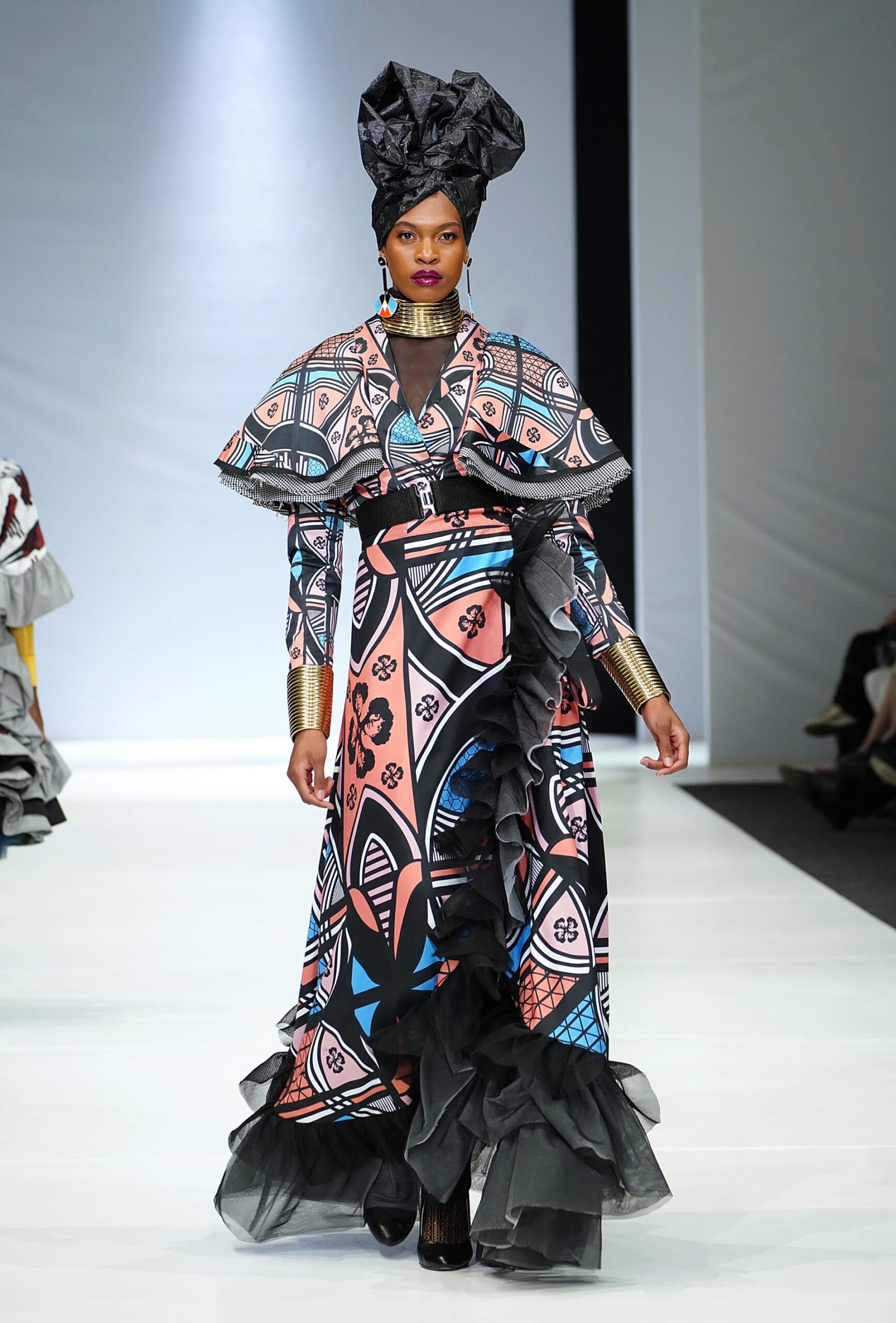
“South Africa’s fashion industry is experiencing a powerful shift toward sustainability, with recycled materials and eco-conscious designs driving growth alongside cultural heritage prints and digital aesthetics. This fusion of tradition and innovation is positioning South Africa as a leader in African fashion, balancing global competition with local creativity.”
South Africa’s fashion landscape in 2026 is undergoing a profound transformation. The industry, valued at USD 5.8 billion in 2023 and projected to reach USD 7.9 billion by 2030, is being reshaped by sustainability, cultural pride, and digital innovation. These forces are not only influencing consumer preferences but also redefining how retailers, designers, and global players engage with the South African market.
The Rise of Sustainable Fashion
- Market Growth: The sustainable fashion segment is projected to reach USD 680.66 million by 2033, growing at a CAGR of 25.27% from 2026.
- Recycled Materials: Recycled fabrics dominate product categories, reflecting consumer demand for eco-conscious choices.
- Circular Economy: Local designers are embracing upcycling, slow fashion, and biodegradable textiles, aligning with global sustainability goals.
This shift is not just a trend but a necessity, as climate change and environmental awareness push consumers toward responsible consumption.
Cultural Fusion in Fashion
South African fashion thrives on its ability to merge global influences with local heritage.
- Heritage Prints: Ndebele motifs and African-inspired patterns are increasingly integrated into streetwear and couture.
- Streetwear Evolution: Neon-updated animal prints and bold jewel tones reflect both tradition and modernity.
- Digital Aesthetics: Metallic finishes and futuristic designs connect fashion to the digital metaverse, appealing to younger audiences.
This cultural fusion ensures that South African fashion remains distinct, rooted in identity while embracing global relevance.
Retail Transformation
- E-commerce Dominance: Online sales have grown from 2% in 2019 to 5% in 2023, reshaping consumer behavior.
- Global Competition: Giants like Amazon, Shein, and Temu are entering the market, challenging local retailers with aggressive pricing and marketing.
- Local Differentiation: South African retailers are responding by offering personalized experiences, destination stores, and premiumized portfolios.
The retail battlefield highlights the importance of innovation and adaptability for survival.
Luxury Market Resilience
Despite global competition, South Africa’s luxury fashion market is thriving.
- Growth: Luxury trading density in shopping centers increased by 8% in the past year and 184% since 2019.
- Leadership: South Africa leads Africa in the number of luxury stores, cementing its position as a continental fashion hub.
This resilience demonstrates that while sustainability drives mass-market trends, luxury continues to flourish by blending exclusivity with cultural relevance.
Designer Highlights
- Gert-Johan Coetzee: Known for blending countryside motifs with luxury detailing, his couture gowns exemplify South Africa’s ability to reinterpret tradition.
- Emerging Designers: Innovators are experimenting with neon overlays, heritage prints, and metallic fabrics, reflecting the fusion of heritage and futurism.
These designers embody the duality of South African fashion—respecting tradition while embracing modernity.
Consumer Behavior
South African consumers are increasingly value-driven:
- Eco-Conscious Choices: Younger buyers prioritize sustainability and ethical sourcing.
- Identity Expression: Fashion serves as a medium for cultural pride and individuality.
- Digital Influence: Social media and influencer culture amplify trends, making fashion both aspirational and accessible.
Challenges Ahead
- Global Competition: Local brands must differentiate against aggressive global entrants.
- Economic Pressures: Rising costs and inflation could affect consumer spending.
- Authenticity vs. Innovation: Balancing heritage with futuristic aesthetics remains a delicate challenge.
Conclusion
South Africa’s fashion industry in 2026 is at a crossroads, defined by sustainability, cultural fusion, and digital innovation. As recycled materials, heritage prints, and futuristic aesthetics dominate, the country is carving out a unique identity in the global fashion landscape. The challenge lies in balancing authenticity with adaptability, ensuring that South African fashion continues to thrive amid global competition.



