




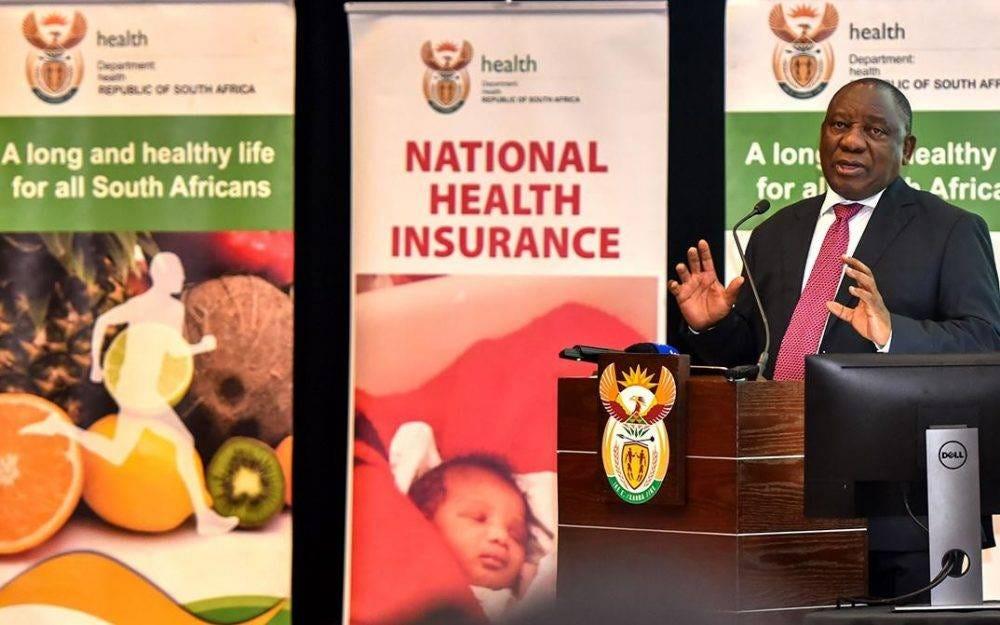
“South Africa’s Portfolio Committee on Health has intensified parliamentary oversight of the national health system by examining the Department of Health’s first-quarter performance for the 2026/27 financial year, alongside progress in implementing the country’s HIV, tuberculosis and sexually transmitted infections strategy. The review comes as the government continues to work toward broader health-system reform, including National Health Insurance, while official and international assessments point to continuing challenges involving financing, fragmentation, accountability and equitable access to healthcare.”
Parliament places health-system performance under the spotlight
South Africa’s healthcare policy agenda is entering an important phase as Parliament continues to scrutinise the performance of the National Department of Health and the implementation of major national health programmes.
On 22 September 2026, Parliament announced that its Portfolio Committee on Health would receive a briefing from the Department of Health on its first-quarter report for the 2026/27 financial year. The committee was also scheduled to receive information from the Department and the South African National AIDS Council concerning progress on the National Strategic Plan for HIV, tuberculosis and sexually transmitted infections.
The development is significant because parliamentary oversight provides one of the mechanisms through which national health policies are translated into measurable programmes, budgets and services. It also provides an opportunity for lawmakers to examine whether targets are being met and whether resources allocated to healthcare are producing the intended results.
The committee’s review comes at a time when South Africa is pursuing substantial reforms to the organisation and financing of healthcare. The National Health Insurance system remains the government’s principal long-term reform programme for achieving universal health coverage. According to the National Department of Health, NHI is intended to create a centralised national fund through which government purchases healthcare services from both public and private providers.
NHI remains central to the country’s healthcare reform programme
The government’s NHI policy seeks to address longstanding inequalities between South Africa’s public and private healthcare sectors.
The Department of Health describes NHI as a strategy intended to achieve universal health coverage, with eligible residents receiving healthcare through contracted public and private providers without paying at the point of service for covered benefits. The department says the programme is being phased in progressively, with the second phase scheduled to run from 2026 to 2028.
The policy therefore remains closely connected to questions about the existing health system’s capacity, financing and governance.
A 2025 Health Financing Progress Matrix assessment published by the World Health Organization in July 2026 identified several structural issues affecting South Africa’s progress toward universal health coverage. The assessment highlighted fragmentation between public and private financing arrangements, inequitable resource allocation, weaknesses in strategic purchasing and inefficiencies in budget execution. It also called for stronger integration of health-financing functions, improved information systems, greater accountability and public-financial-management reforms.
These findings help explain why parliamentary scrutiny of departmental performance is an important component of the broader policy debate. Healthcare reform is not only about legislation or institutional design; it also depends on whether health facilities, workers, procurement systems, information systems and budgets can deliver services effectively.
HIV and tuberculosis remain major policy priorities
The parliamentary briefing also placed HIV, tuberculosis and sexually transmitted infections on the agenda.
South Africa has one of the world’s largest HIV treatment programmes, making sustained policy implementation essential to maintaining access to testing, prevention and treatment services. Tuberculosis also remains a major public-health challenge, requiring continued case detection, treatment and prevention measures.
The Department of Health has continued updating national treatment policies and guidelines during 2026. Its Essential Drugs Programme, for example, lists updates to primary healthcare and hospital-level Standard Treatment Guidelines and Essential Medicines Lists during September. The department says these documents are intended to support evidence-based medicine selection and implementation across the healthcare system.
The policy challenge is therefore broader than simply setting national targets. Implementation requires medicines to be available, healthcare workers to be adequately supported and facilities to have the systems necessary to identify and treat patients.
The HIV policy environment is also changing as South Africa introduces newer prevention approaches. The Department of Health reported progress on implementation of long-acting lenacapavir for HIV prevention earlier in September, demonstrating the continuing evolution of the country’s HIV response.
Financing remains a central healthcare-policy issue
Healthcare financing is likely to remain one of the most important questions surrounding South Africa’s reform programme.
The WHO’s 2025 Health Financing Progress Matrix assessment found that South Africa has strong constitutional and legislative foundations for universal health coverage, but that inequalities and fragmentation continue to restrict progress.
South Africa operates a dual healthcare financing environment in which the public sector serves the majority of the population while private medical schemes and private providers serve a smaller proportion of residents with access to private financing.
The government has argued that NHI can reduce financial barriers and create a more integrated system. Its official NHI information states that the Fund is intended to purchase comprehensive health services from contracted providers in both sectors.
However, the implementation of such a large reform depends on effective administration, sustainable financing, provider contracting, purchasing systems and appropriate oversight.
For policymakers, the challenge is therefore to connect long-term reform objectives with improvements that patients can experience in clinics and hospitals in the shorter term.
Medicine availability and primary healthcare remain important
Healthcare policy also operates at the level of everyday service delivery.
The Department of Health’s current Essential Medicines and Standard Treatment Guidelines programme demonstrates how national policy is translated into clinical practice. In September 2026, the department recorded updates to the Primary Healthcare and Adult Hospital Standard Treatment Guidelines and Essential Medicines List.
Such changes can affect how healthcare professionals diagnose and treat patients, which medicines are recommended and how facilities implement national treatment standards.
The department has also issued circulars addressing medicine availability and therapeutic alternatives. Its September communications included guidance concerning lorazepam and updates to treatment guidelines and essential medicines.
These measures illustrate an important dimension of healthcare policy: national reform ultimately has to function inside clinics, hospitals and pharmacies.
Oversight and accountability will remain important
The parliamentary review also highlights the importance of accountability in implementing health policy.
Government departments establish annual plans and allocate budgets against specific objectives. Parliamentary committees then have a role in examining departmental performance and asking whether spending and programmes are achieving their intended purposes.
For South Africa’s health system, this oversight is particularly relevant because reform is taking place alongside ongoing pressure to improve the quality and accessibility of existing public services.
The WHO assessment similarly identified accountability and public financial management as areas requiring strengthening.
Effective oversight does not by itself resolve structural healthcare problems, but it provides a mechanism for identifying shortcomings and requiring departments to explain progress, delays and resource use.
What the policy developments mean for South Africa
The latest parliamentary health-policy agenda points to a healthcare system dealing simultaneously with immediate service-delivery responsibilities and long-term structural reform.
The immediate responsibilities include maintaining HIV and TB programmes, ensuring medicine availability, strengthening primary healthcare and monitoring departmental performance. At the same time, the government is advancing the NHI framework and attempting to address longstanding inequalities between different parts of the healthcare system.
The two objectives are interconnected. A future financing system cannot operate effectively without functioning health facilities, reliable data, skilled healthcare workers, medicines and accountable institutions.
The parliamentary focus on the Department of Health’s first-quarter performance therefore provides an important measure of how the health system is progressing during the current financial year. Parliament’s briefing also connects departmental performance with the implementation of the national HIV, TB and STI strategy, reinforcing the importance of maintaining established health programmes while broader reforms proceed.
For the remainder of 2026, healthcare policy in South Africa is likely to continue focusing on the relationship between reform and implementation: how national commitments are translated into funding, infrastructure, medicines, healthcare personnel and accessible services.
The NHI remains the government’s central long-term universal-health-coverage initiative, while parliamentary oversight, health financing reforms and improvements to primary healthcare remain important parts of the implementation environment. The Department of Health itself describes its broader mandate as improving access, equity, efficiency, quality and sustainability in healthcare.
The central policy question is consequently not only how South Africa redesigns its healthcare financing system, but also how effectively existing institutions can deliver healthcare while that transformation takes place.



