




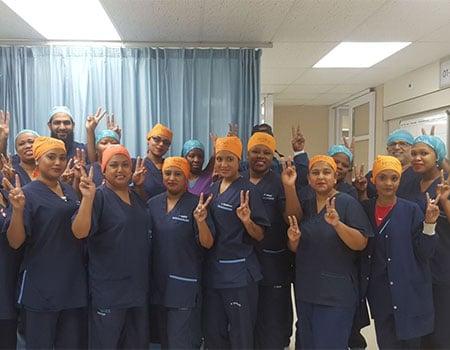
“Sedibeng District Health Services employees used a cultural heritage celebration to promote workplace wellness, connection and appreciation among colleagues from different backgrounds. The event highlighted how social interaction, cultural recognition and a supportive workplace environment can form part of broader employee wellness efforts in South Africa.”
Cultural Connection Emerges as Part of Workplace Wellness for South African Health Workers
Workplace wellness is increasingly being understood as something that extends beyond physical health, and a recent gathering involving Sedibeng District Health Services employees has illustrated the importance of social connection, cultural appreciation and a positive working environment. Employees came together to celebrate South Africa’s diverse heritage while also promoting and enhancing wellness among colleagues.
The event, reported by Sedibeng Ster on 27 September 2026, brought together healthcare employees from different cultural backgrounds in an environment designed to encourage relaxation, interaction and appreciation. According to the report, the gathering included people from AmaZulu, Basotho, Vatsonga, amaXhosa, Indian and White communities.
Although the occasion centred on cultural diversity, its significance extended into the broader area of employee wellness. Healthcare workers operate in environments that can involve demanding workloads, emotional pressure and continuous interaction with patients and communities. Creating opportunities for staff members to connect outside their routine responsibilities can therefore contribute to a workplace atmosphere in which employees feel recognised and included.
The Sedibeng event demonstrates one approach to wellness that does not necessarily depend on clinical interventions or formal fitness programmes. Instead, it focused on human interaction. Employees were given an opportunity to relax, have fun, connect with colleagues and appreciate different cultures. Sedibeng Ster reported that the event helped strengthen workplace relationships.
Wellness Beyond Physical Health
The concept of wellness is broader than simply avoiding illness. In workplace settings, it can include physical, emotional, psychological and social dimensions of wellbeing.
For healthcare workers, these dimensions can be particularly important. Hospitals, clinics and other healthcare facilities depend on teams working together under pressure. Good communication and relationships between colleagues can influence how teams function and how employees experience their workplace.
A workplace culture that provides opportunities for people to interact socially can help create a stronger sense of belonging. Cultural celebrations can be one way of doing this because they allow employees to share aspects of their identities while learning about those of their colleagues.
The Sedibeng gathering brought this idea into focus by creating a space where employees from several cultural communities could participate together. The event was therefore not simply a celebration of heritage; according to the report, it also created an atmosphere of unity, connection and appreciation.
Why Employee Wellness Matters in Healthcare
Healthcare workers occupy a distinctive position within the health system. Their responsibilities involve caring for other people, often during periods of illness, uncertainty and vulnerability.
That makes the wellbeing of healthcare employees an important workplace consideration. While wellness activities cannot eliminate occupational pressures, they can provide opportunities for employees to connect with colleagues and participate in activities that are different from their normal duties.
The Sedibeng event offers an example of a relatively simple approach. Rather than treating wellness as something separate from workplace culture, the celebration incorporated wellness into an existing social and cultural activity.
This approach can make wellness more accessible because participation does not necessarily require specialist equipment, expensive facilities or highly structured programmes. A shared meal, cultural celebration, social event, exercise activity or team-building occasion can create opportunities for employees to interact and recharge.
The reported event particularly emphasised relaxation and social connection. Those elements are relevant because workplace relationships can influence how employees experience their working environment.
South Africa’s Cultural Diversity
South Africa is characterised by substantial cultural, linguistic and historical diversity. The Sedibeng event reflected this diversity by bringing together employees from several communities.
The participation of AmaZulu, Basotho, Vatsonga and amaXhosa, alongside Indian and White employees, demonstrated the variety of backgrounds represented within the workforce.
Cultural events can provide an opportunity for this diversity to become a source of connection rather than simply a demographic characteristic.
When employees have opportunities to learn about one another’s traditions and experiences, they can develop greater familiarity with colleagues outside their immediate teams. This can be particularly valuable in large organisations where employees may work alongside people from very different backgrounds without having many opportunities for meaningful interaction.
The event also demonstrates how heritage and wellness can intersect. Cultural identity can be an important part of people’s sense of belonging, and opportunities to celebrate that identity can contribute to a positive social environment.
Building Stronger Workplace Relationships
One of the clearest themes from the Sedibeng event was the importance of workplace relationships.
According to the published report, employees had an opportunity to relax, connect, have fun and strengthen relationships.
These activities may appear simple, but they can have significance in workplaces where employees spend substantial amounts of time working together.
Strong professional relationships can support communication and cooperation. When colleagues know each other better, interactions may become easier and teams may have greater opportunities to build trust.
For healthcare organisations, effective teamwork is particularly relevant because patient services often depend on multiple professionals and departments working together.
However, social activities should complement—not replace—appropriate organisational support. Employee wellness also requires reasonable working conditions, access to appropriate occupational support and mechanisms for employees to raise concerns.
A cultural celebration can contribute to workplace wellbeing, but it is only one component of a comprehensive wellness strategy.
A Broader Understanding of Wellness
The Sedibeng event also reflects a broader shift in the way wellness is discussed.
Wellness is often associated with exercise, healthy eating, sleep and preventive healthcare. These remain important components of wellbeing, but social relationships and a sense of belonging are also relevant.
For employees, feeling connected to colleagues can form part of a healthier workplace experience. Similarly, being able to participate in cultural activities can help people feel that their identities are respected.
This wider understanding is especially relevant for public-sector healthcare workers, who serve communities that are themselves culturally diverse.
When employees experience an inclusive workplace, the organisation may also benefit from greater social cohesion. The Sedibeng event therefore provides a local example of how wellness activities can be linked to workplace culture.
The Role of Employers
Employers have an important role in creating environments that support employee wellbeing. Workplace wellness programmes can include health screenings, physical activity, mental-health support, counselling, nutrition education and stress-management initiatives.
However, wellness can also be incorporated into everyday organisational culture.
Simple measures such as encouraging respectful communication, recognising employees’ contributions, supporting team interaction and creating opportunities for social engagement can complement formal wellness programmes.
Cultural celebrations can also become part of this approach when they are organised inclusively and allow employees to participate voluntarily.
The Sedibeng experience shows that wellness does not always have to involve a medical or fitness intervention. Sometimes, creating an opportunity for people to connect and appreciate one another can itself become part of a healthy workplace environment.
Implications for Healthcare Institutions
Healthcare institutions across South Africa face the challenge of supporting both patients and employees. While the primary responsibility of health facilities is patient care, maintaining a workforce capable of delivering that care is also important.
Employee wellness initiatives can provide one avenue for addressing this challenge.
The Sedibeng celebration illustrates how local health services can use existing organisational and cultural activities to encourage staff interaction. Such initiatives can be relatively straightforward to organise while still creating opportunities for employees to step away from their routine responsibilities.
Importantly, wellness should remain inclusive. Employees should have access to activities that recognise different cultures, ages, abilities and personal circumstances.
An effective wellness programme is unlikely to depend on one event. Instead, it can involve a combination of practical health support, supportive management, social connection and opportunities for employees to participate in activities that promote wellbeing.
Looking Ahead
The Sedibeng District Health Services celebration offers a timely reminder that wellness can be built into everyday workplace culture.
The event brought employees from different backgrounds together and created an environment centred on relaxation, connection and appreciation. Sedibeng Ster reported that the gathering strengthened workplace relationships while promoting employee wellness.
For South Africa’s healthcare workforce, initiatives of this nature can complement more formal occupational wellness measures. They also demonstrate the potential value of recognising the social dimension of health.
As organisations continue to consider how best to support their employees, wellness programmes may increasingly incorporate activities that encourage connection, inclusion and community.
The Sedibeng event does not by itself demonstrate the long-term health effects of cultural workplace celebrations, and no such effects should be assumed from this single event. What it does provide is a concrete example of healthcare employees coming together to celebrate diversity while creating an opportunity for social interaction and workplace connection.
In a healthcare system where employees dedicate their working lives to caring for others, attention to their own wellbeing remains an important part of creating sustainable workplaces. Cultural celebrations, social activities and inclusive workplace practices can form one part of that wider effort.
The story from Sedibeng therefore places a simple idea at the centre of the wellness conversation: looking after people at work can involve more than treating illness. It can also involve creating spaces where colleagues feel connected, respected and able to celebrate the diversity that exists within the health workforce itself.
Source note: I searched for South African wellness stories published on 27 September 2026. Among the results available today, the Sedibeng Ster report was the clearest directly wellness-focused South African story published today. The article itself was published five hours before the search and identifies employee wellness, cultural diversity, connection and workplace relationships as its central themes.



