




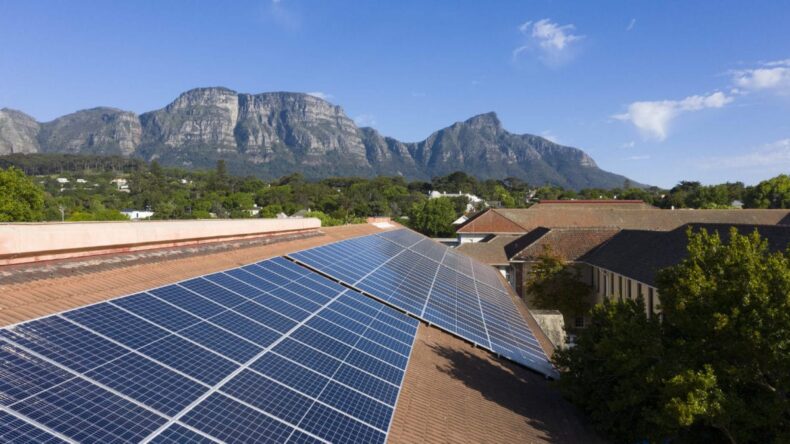
“South African households are grappling with steep electricity tariff hikes introduced on July 1, 2026, with increases ranging from 7.5% in Cape Town to 14% in Buffalo City. The surge in costs has pushed average monthly bills above R2,800, driving a wave of solar installations as consumers seek relief from escalating expenses.”
On July 1, 2026, South Africa entered a new phase in its energy affordability crisis. Municipalities across the country implemented electricity tariff hikes that varied by region, leaving households and businesses reeling from sharply higher costs. While load-shedding has largely disappeared thanks to improved grid stability, the financial burden of keeping the lights on has intensified, sparking widespread debate about energy policy, regulation, and consumer resilience.
Regional Breakdown of Tariff Hikes
The increases were not uniform. Buffalo City imposed the steepest hike at 14%, while Cape Town managed a relatively modest 7.5% increase. Other metros fell somewhere in between, creating a patchwork of affordability challenges. This uneven landscape means that a household’s energy costs now depend heavily on its postcode, raising questions of fairness and equity in national energy pricing.
Impact on Household Budgets
The average South African household electricity bill has now surpassed R2,800 per month, a figure that represents a significant portion of disposable income for many families. Prepaid electricity users are particularly affected: R500 now buys just 120 units, compared to 165 units two years ago. This erosion of purchasing power has left consumers frustrated, with many feeling that they are paying more for less.
Solar Adoption Surge
In response, households and businesses are increasingly turning to solar energy. Brands like Deye and Sunsynk have become household names, offering cost-effective solutions to offset rising bills. A new entrant, Sigenergy, has captured public attention with its sleek all-in-one systems that combine inverter, battery, solar, and even EV charging capabilities. Installers report unprecedented demand, with solar seen not just as a luxury but as a necessity for financial survival.
Regulatory Context
The National Energy Regulator of South Africa (NERSA) has defended the hikes, citing the need to balance municipal budgets and maintain infrastructure. However, critics argue that the regulator has failed to adequately protect consumers from runaway costs. Public hearings are scheduled later this month to address concerns, with advocacy groups demanding greater transparency and accountability in tariff-setting.
Broader Economic Implications
The hikes have ripple effects across the economy. Small businesses, already struggling with inflationary pressures, face higher operating costs that threaten profitability. Manufacturing sectors reliant on energy-intensive processes are particularly vulnerable, potentially leading to job losses and reduced competitiveness. Analysts warn that unless mitigated, the hikes could dampen economic growth at a time when South Africa is striving to recover from years of stagnation.
Public Sentiment and Activism
Public opinion has been swift and vocal. Social media platforms are flooded with complaints, while community organizations are mobilizing protests against what they see as unjustified increases. Activists argue that energy should be treated as a basic right, not a luxury, and are calling for subsidies or targeted relief for low-income households. The debate has reignited discussions about the role of government in ensuring equitable access to essential services.
The Future of Energy in South Africa
Looking ahead, the crisis may accelerate South Africa’s transition to renewable energy. With solar adoption surging and battery storage technologies advancing, the country has an opportunity to reduce reliance on traditional grid structures. However, this transition requires careful planning, investment, and regulatory support to ensure that renewable solutions are accessible to all, not just the affluent.
Conclusion
The July 2026 electricity tariff hikes mark a turning point in South Africa’s energy landscape. While they have stabilized municipal finances and supported infrastructure, they have also placed immense strain on households and businesses. The surge in solar adoption reflects both resilience and desperation, as consumers seek alternatives to unaffordable grid power. The coming months will be critical in determining whether regulatory reforms, technological innovation, and public activism can reshape the future of energy affordability in South Africa.



