




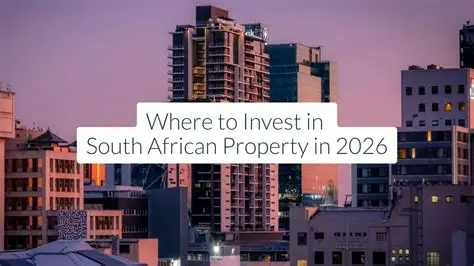
“South Africa’s land and housing market has entered its strongest phase in four years, with property prices rising 7.1% year-on-year across key regions. However, inflationary pressures and fuel price hikes are reshaping affordability, forcing buyers and investors to balance optimism with caution.”
South Africa’s real estate sector in 2026 is experiencing a dynamic transformation. The land and housing market has surged to its strongest performance in four years, with national house price growth accelerating to 7.1% year-on-year. Yet, this growth is tempered by inflationary pressures, rising fuel costs, and tight lending conditions, creating a complex environment for buyers, homeowners, and investors.
Market Drivers
- First-time buyers are the most active segment, with loan applications surging since 2023.
- Younger buyers (25–34) are reshaping demand, entering the market independently.
- Semigration trends continue to fuel demand in the Western Cape, where average property prices stand at R3.35 million, far above the national average of R1.95 million.
- Homes in Cape Town sell in just 6.2 weeks, reflecting strong international interest.
Inflationary Pressures
- Headline inflation reached 5% in June 2026, reducing real returns to just 0.2%.
- The South African Reserve Bank has held the prime lending rate at 10.25%, pausing its rate-cutting cycle due to global inflation, rand volatility, and oil price pressures.
- Buyers who expected continued relief are now more cautious, balancing affordability with long-term investment potential.
Fuel Price Impact on Land Affordability
- On September 2, 2026, petrol rose by R1.34 per litre and diesel surged R3.15 per litre.
- Commuting costs are now a decisive factor in homeownership, reshaping affordability models.
- Buyers must weigh location convenience against rising transport expenses, with ripple effects on bond approvals, inflation, and interest rates.
Regional Divergence
| Region | Trend |
|---|---|
| Western Cape | Premium pricing, fastest sales, strong international demand |
| Gauteng | Moderate growth, supported by semigration inflows |
| Durban | Stable demand, buoyed by coastal lifestyle appeal |
Risks and Challenges
- Lower-income households are disproportionately affected, as transport costs consume a larger share of their budgets.
- Bond applications are shrinking as disposable income declines.
- Inflationary pressures could erode real returns for investors.
- Regional disparities may widen, with Cape Town and Gauteng outperforming other provinces.
Investor Outlook
Despite challenges, confidence among younger buyers reached 90%, signaling resilience in the housing market. Foreign direct investment inflows of R20.3 billion in Q1 2026 highlight continued international interest, particularly in mining, energy, and finance sectors that indirectly support real estate growth.
Conclusion
South Africa’s land and housing market in 2026 reflects a paradox: strong property price growth and international demand, but rising inflation and fuel costs are reshaping affordability. For buyers, the trade-off between lifestyle and location has never been more critical. For investors, resilience in premium regions offers opportunities, but caution is warranted as economic pressures mount.



