




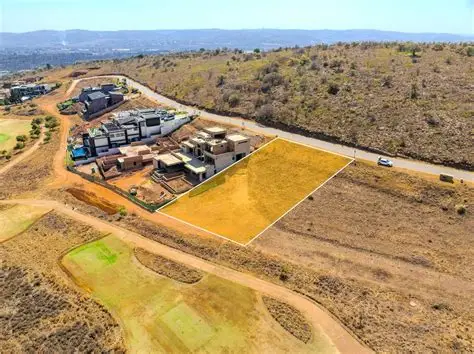
“South Africa’s land and real estate sector remains stable in August 2026, with national property price growth between 5–7% year-on-year and strong demand for affordable housing. Semigration to the Western Cape and Garden Route continues to fuel land transactions, while international investors are increasingly drawn to coastal properties.”
The South African land and real estate market in August 2026 reflects a complex but promising landscape, balancing steady growth with inflationary pressures. With the repo rate held at 7.00% and prime lending rate at 10.50%, the South African Reserve Bank (SARB) has provided predictability in borrowing costs, reassuring both buyers and developers. This stability has allowed investors to make measured decisions, while demand for affordable housing and semigration trends continue to reshape the country’s property dynamics.
Interest Rate Stability and Market Confidence
The SARB’s decision to maintain interest rates has created a predictable lending environment. Banks including Absa, FNB, Standard Bank, and SA Home Loans are offering competitive mortgage packages, stimulating activity in the land and housing market. For developers, this stability reduces risk, enabling long-term planning for mixed-use and residential projects.
Land Transactions and Regional Dynamics
- Western Cape: Cape Town remains the premium market, with average property prices at R3.35 million, far above the national average of R1.95 million. Semigration from Gauteng and KwaZulu-Natal continues to fuel demand.
- Garden Route (George, Knysna): Land values are appreciating at 6.5% annually, driven by lifestyle appeal and migration from inland provinces.
- Gauteng: Growth is modest at 2.8%, but niche expansion is evident in mixed-use developments and industrial land.
These regional dynamics highlight the uneven distribution of growth, with coastal provinces benefiting most from migration trends.
Affordable Housing and Land Demand
The affordable housing segment, defined as properties below R1.2 million, remains the most active. First-time buyers, particularly younger South Africans aged 25–34, are entering the market with confidence levels reaching 90%. This generational shift is reshaping ownership patterns, with increased competition for vacant plots in peri-urban areas. Developers are racing to meet demand, but supply constraints remain a challenge.
International Investment in Land
Foreign buyers from Europe and Asia are increasingly investing in South African land, particularly coastal properties. Favorable exchange rates and lifestyle appeal make South Africa an attractive destination for long-term investment. This influx of international capital is boosting land values, especially in premium markets.
Economic Context
- Inflation: Moderated but persistent, requiring cautious monetary policy.
- Household Debt: Ratio at 62.5% of disposable income, highlighting affordability challenges.
- Property Price Growth: National average growth between 5–7% YoY.
While inflationary pressures temper expectations, the overall outlook remains cautiously optimistic.
Risks and Challenges
- Supply Constraints: Affordable housing demand continues to outstrip supply.
- Inflationary Pressures: Could limit further rate cuts by SARB.
- Regional Inequality: Premium markets remain inaccessible to many buyers.
Outlook
Analysts predict cautious optimism for the remainder of 2026. If inflation remains within the 3–6% target range, a 25-basis-point cut in Q4 2026 is possible, which could further boost affordability.



