




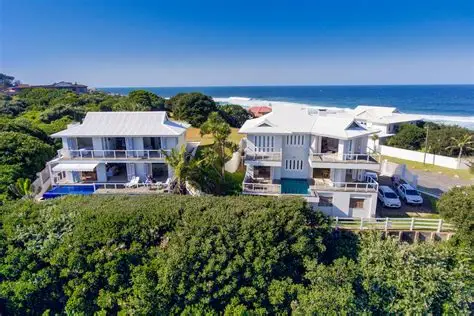
“South Africa’s luxury property sector is experiencing robust growth in August 2026, fueled by semigration to coastal regions and strong international investment. Cape Town and the Garden Route remain epicenters of demand, with prices far surpassing national benchmarks.”
The South African luxury real estate market has entered a new phase of dynamism in August 2026. Despite broader economic challenges, the sector continues to thrive, particularly in coastal regions where lifestyle appeal and international capital are reshaping property values. Stable interest rates, semigration trends, and investor confidence are the key drivers behind this surge.
Interest Rate Stability
The South African Reserve Bank (SARB) has maintained the repo rate at 7.00% and the prime lending rate at 10.50%, offering predictability in borrowing costs. This stability reassures both buyers and developers, enabling measured investment decisions. Banks such as Absa, FNB, Standard Bank, and SA Home Loans are offering competitive mortgage packages, further stimulating activity in the luxury housing market.
Regional Dynamics
- Cape Town: Average property prices stand at R3.35 million, well above the national average of R1.95 million. The Atlantic Seaboard and Southern Suburbs remain hotspots, attracting both local and international buyers.
- Garden Route (George, Knysna): Land values are appreciating at 6.5% annually, driven by lifestyle appeal and migration from inland provinces.
- Gauteng: Growth is modest at 2.8%, but niche expansion is occurring in mixed-use developments and luxury estates.
International Investment Trends
Foreign buyers from Europe and Asia are increasingly investing in South African coastal properties. Favorable exchange rates and lifestyle appeal make South Africa an attractive destination for long-term investment. This influx of international capital is reshaping the coastal property landscape, with demand for luxury and lifestyle-driven land parcels rising.
Luxury Market Performance
The high-end market (above R8 million) remains sensitive to economic sentiment but continues to show resilience. Buyers within this bracket, often with stable incomes and diversified portfolios, are leveraging the predictable interest rate environment. Average annual growth in this category is estimated at 8–10%, particularly in established urban centers.
Semigration and Lifestyle Appeal
Semigration from Gauteng and KwaZulu-Natal continues to fuel demand in the Western Cape. Coastal living, lifestyle amenities, and improved infrastructure are major drivers. Families and professionals are relocating to areas offering better quality of life, reinforcing the premium property market.
Risks and Challenges
While the luxury market is thriving, risks remain:
- Economic volatility could impact investor sentiment.
- Global currency fluctuations may affect foreign investment inflows.
- Infrastructure strain in coastal regions could challenge sustainability.
Conclusion
South Africa’s luxury real estate market in August 2026 reflects a unique blend of lifestyle-driven demand, international capital, and stable monetary policy. With Cape Town and the Garden Route leading the charge, the sector is poised for continued growth, offering opportunities for investors and homeowners alike.



