




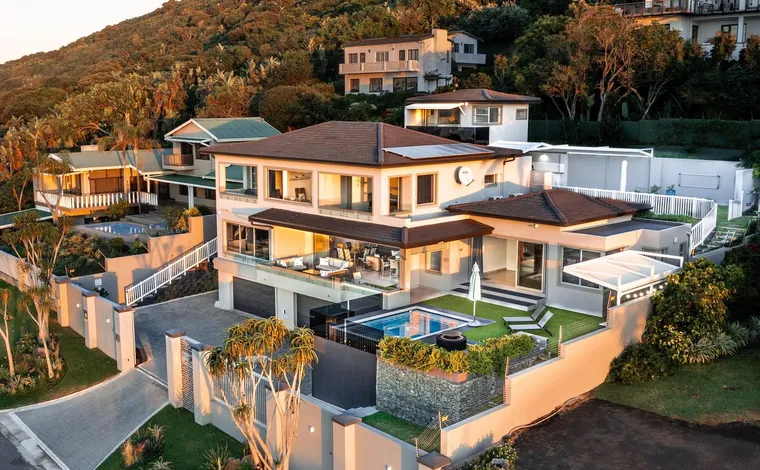
“South Africa’s luxury property sector is rebounding in 2026, fueled by returning expatriates and renewed investor confidence. Prime neighborhoods in Cape Town, Johannesburg, and Durban are experiencing competitive bidding, reshaping the premium property landscape.”
The South African luxury real estate market has entered a new phase of growth in 2026. After years of economic uncertainty and emigration trends, the sector is now witnessing a remarkable resurgence. This revival is driven by reverse emigration, renewed investor confidence, and evolving lifestyle priorities. Together, these forces are reshaping the country’s premium property landscape, particularly in Cape Town, Johannesburg, and Durban.
Market Dynamics
- Resilience in Premium Segments: Despite slower recovery in overall transaction volumes, luxury properties have remained stable, underscoring sustained demand.
- Mortgage Uptick: Banks report increased mortgage activity in higher price bands, signaling confidence among financially secure buyers.
- Lifestyle Priorities: Buyers are prioritizing established neighborhoods with strong infrastructure, accessibility, and lifestyle amenities.
This resilience highlights the unique position of luxury real estate as a safe haven for capital, even during broader market fluctuations.
Demographic Shifts
The average luxury buyer in 2026 is older than in previous decades, reflecting global trends of delayed first-time ownership and life-stage transitions. In South Africa, affluent domestic clients and returning expatriates dominate the demand profile. This demographic shift is reshaping the luxury property landscape, with buyers seeking long-term stability and lifestyle enrichment.
Reverse Emigration
One of the most intriguing developments is reverse emigration. After years of headlines about South Africans leaving, new data shows a growing number of expatriates returning home. These individuals are not only bringing capital but also confidence, investing in luxury estates, beachfront villas, and high-rise apartments. This trend is particularly visible in Cape Town’s Atlantic Seaboard and Johannesburg’s Sandton district.
Regional Highlights
- Cape Town: Luxury homes in Clifton and Camps Bay remain highly sought after, with limited stock driving competitive bidding.
- Johannesburg: Sandton and Hyde Park continue to attract wealthy professionals and investors, with demand for secure estates and modern penthouses.
- Durban: Beachfront villas in Umhlanga and Ballito are seeing increased interest from both domestic and international buyers.
These hotspots illustrate the diversity of South Africa’s luxury property market, catering to different lifestyle preferences and investment strategies.
Investor Confidence
The luxury market’s growth is not speculative. Buyers are well-capitalized, selective, and focused on long-term value rather than short-term cycles. This confidence is reinforced by South Africa’s improving macroeconomic environment, stable interest rates, and enhanced global visibility following its G20 presidency in 2025.
Banks have reported a surge in mortgage approvals in the upper price bands, further validating the strength of this segment.
Lifestyle Priorities
Modern luxury buyers are increasingly focused on lifestyle amenities. Properties offering proximity to schools, healthcare facilities, and leisure activities are commanding premiums. In Cape Town, homes with ocean views and access to vibrant cultural districts are in high demand. In Johannesburg, secure estates with integrated lifestyle facilities are preferred. Durban’s beachfront properties appeal to buyers seeking a blend of leisure and investment potential.
Challenges and Risks
Despite the optimism, challenges remain:
- Affordability: Luxury properties remain out of reach for most South Africans, highlighting inequality in the housing market.
- Supply Constraints: Limited stock in prime areas is driving competitive bidding, which may inflate prices unsustainably.
- Global Factors: Currency volatility and geopolitical risks could impact investor sentiment.
Conclusion
South Africa’s luxury real estate market in 2026 is a story of resilience, confidence, and transformation. With reverse emigration fueling demand, investor confidence stabilizing the sector, and lifestyle priorities shaping buyer preferences, the premium property landscape is thriving. Cape Town, Johannesburg, and Durban stand out as the epicenters of this resurgence, offering opportunities for both domestic and international investors.
For stakeholders, the message is clear: South Africa’s luxury property market is not only back—it is evolving into a more dynamic and globally competitive sector.



