




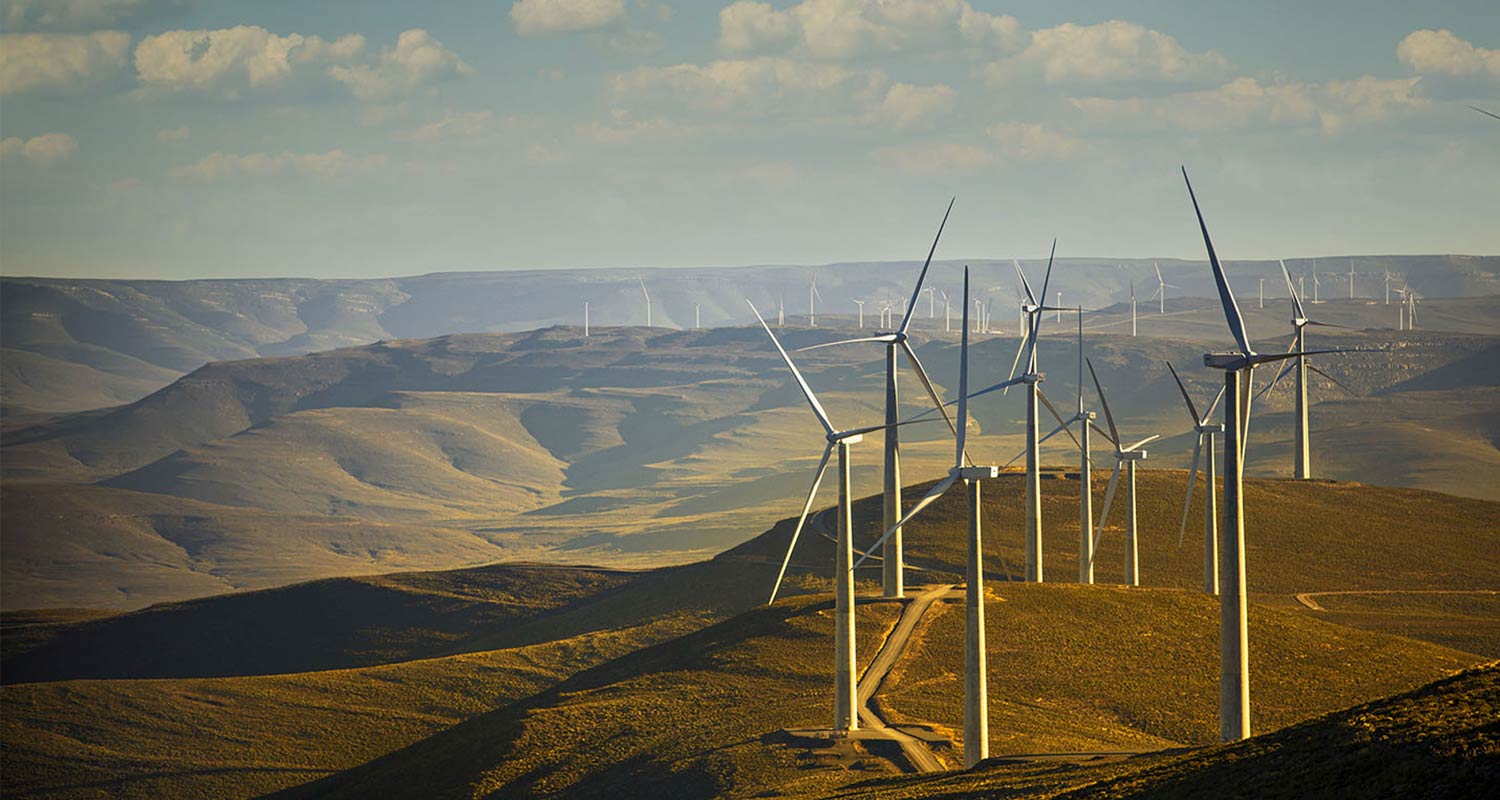
“UK-based Aurora Energy Research has released its first long-term forecast for South Africa’s electricity market, predicting that renewables will dominate with 88% of supply by 2060. The report highlights the retirement of coal plants, rising demand, and the critical role of solar PV and offshore wind in reshaping the nation’s energy landscape.”
Aurora forecasts electricity demand will grow at 1.3% annually over the next three decades. While industrial demand is expected to stagnate, commercial and residential consumption will rise steadily. At the same time, more than 30 GW of ageing coal-fired capacity will be retired, forcing the country to add over 120 GW of new generation capacity by 2060. This dual pressure—rising demand and declining coal—creates both urgency and opportunity for renewable deployment.
Renewable Energy Expansion
The backbone of South Africa’s future energy mix will be solar PV and offshore wind, which together will grow from 23% of generation in 2027 to 88% by 2060. South Africa’s abundant sunlight and favorable coastal wind conditions make these technologies particularly viable. Aurora emphasizes that capture prices for solar and wind will more than double by 2060, signaling strong investor incentives.
Role of Gas and Storage
Despite the dominance of renewables, energy storage, diesel, and gas generation will remain essential for balancing supply during peak demand and periods of low renewable output. By 2060, these technologies will provide about 7% of total capacity. Combined-cycle gas turbines, in particular, will act as a stabilizing force, ensuring reliability in a system increasingly dependent on variable renewable sources.
Market Volatility and Pricing
Aurora warns that the South African electricity market will experience greater volatility, with more hours of both high and zero prices. Average baseload prices are expected to rise into the 2050s due to commodity costs and carbon tax pressures. However, the widening distribution of prices presents opportunities for agile investors who can navigate risks such as cannibalisation, curtailment, and balancing costs.
Policy and Regulatory Context
The forecast coincides with the anticipated launch of the South African Wholesale Electricity Market in 2027, a reform designed to liberalize the sector and encourage private investment. Policymakers face the challenge of balancing affordability with sustainability, ensuring that the transition does not exacerbate inequality or energy poverty. The government’s recent electricity pricing overhaul, aimed at curbing tariff hikes and expanding free basic power, complements this long-term renewable trajectory.
Investment Opportunities and Risks
Aurora’s analysis sends a clear signal to investors: South Africa’s energy future is renewable-heavy, volatile, and opportunity-rich. Developers must prepare for fluctuating capture prices and evolving market structures. Those who can adapt to volatility and design resilient portfolios will emerge as winners, while those who fail to anticipate risks may struggle.
Regional and Global Implications
South Africa’s transition aligns with global decarbonization trends, positioning the country as a potential leader in renewable energy within Africa. The shift also has geopolitical implications, reducing reliance on coal exports and reshaping trade dynamics. Moreover, the expansion of renewables could stimulate local industries, from manufacturing solar panels to building offshore wind infrastructure.
Conclusion
Aurora’s forecast paints a future where South Africa’s electricity system is overwhelmingly renewable by 2060. The transition will be complex, requiring massive investment, regulatory innovation, and technological adaptation. Yet the potential benefits—energy security, reduced emissions, and economic growth—make this transformation not only necessary but promising.



