




“South Africa’s real estate development sector is experiencing cautious optimism in June 2026, with stable interest rates fostering confidence among buyers and developers. Regional hotspots and a revival in the luxury segment are driving growth, even as affordability challenges persist for first-time buyers.”
South Africa’s real estate development market in June 2026 presents a fascinating dual narrative: stability in interest rates has created a predictable environment for developers and investors, while regional demand shifts and luxury property revival are reshaping the landscape. The South African Reserve Bank (SARB) has held the repo rate at 7.00% and the prime lending rate at 10.50%, providing a sense of calm after years of volatility.
Interest Rate Stability and Its Impact
- Positive for developers and established investors: Predictable borrowing costs enable long-term planning.
- Challenging for first-time buyers: High monthly repayments on variable-rate bonds limit affordability.
- Banks tightening credit: Institutions like Absa, Nedbank, and FNB require higher deposits and stricter checks, reinforcing resilience but excluding marginal buyers.
This stability is a double-edged sword: while it supports confidence, it also entrenches inequality between established investors and new entrants.
Regional Hotspots Driving Development
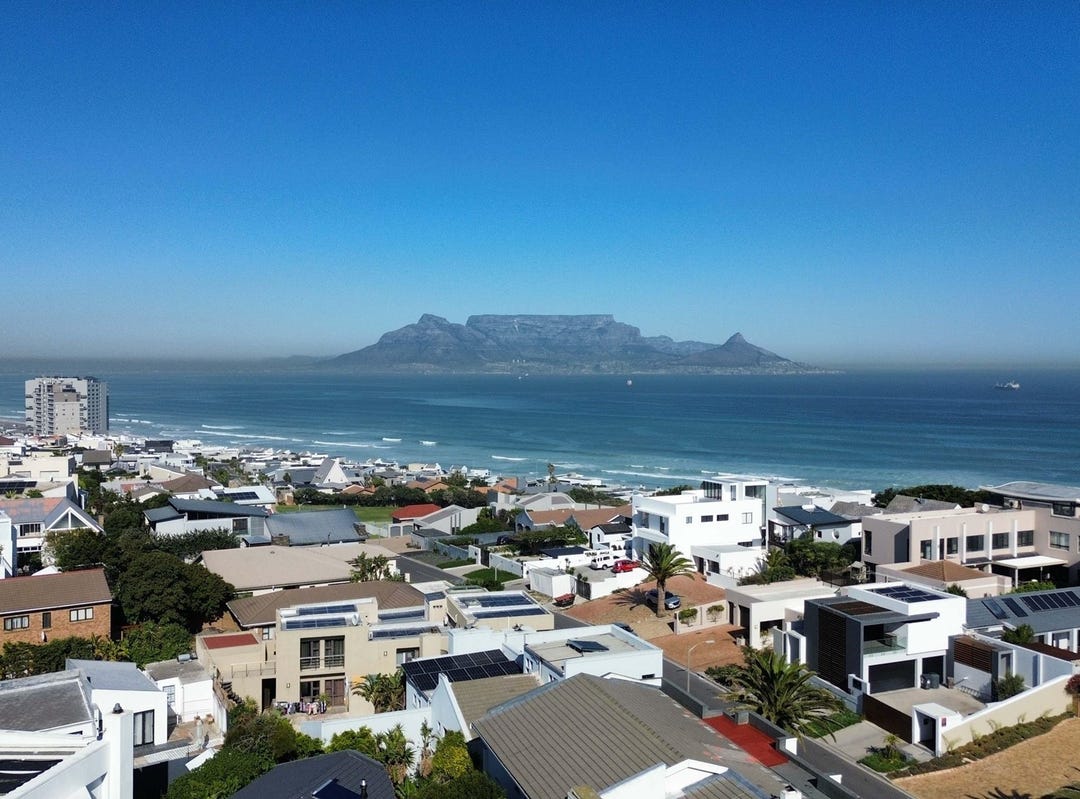
- Cape Town (Bloubergstrand, Durbanville): Strong demand from families and investors seeking short-term rental potential.
- Garden Route (George, Knysna): Semigration trends as professionals relocate for lifestyle benefits.
- Gauteng (Fourways, Waterfall Estate, Centurion, Midrand): Lifestyle estates offering security and amenities remain resilient.
These areas are attracting developers who are focusing on mixed-use estates, gated communities, and coastal developments to meet demand.
Luxury Segment Reawakens
The luxury property market is experiencing renewed confidence:
- Affluent domestic buyers and expatriates are reinvesting in premium estates.
- Key areas: Camps Bay (Cape Town), Sandton (Johannesburg), Dolphin Coast (Durban).
- Demographic shift: Older, financially secure individuals dominate luxury purchases, prioritizing lifestyle amenities and long-term value.
This “reverse emigration” is reshaping demand, with developers targeting high-net-worth individuals through premium estates and modern amenities.
Development Trends
- Mixed-use estates: Combining residential, retail, and leisure facilities.
- Sustainable design: Developers increasingly incorporate eco-friendly features to appeal to environmentally conscious buyers.
- Security-focused estates: Lifestyle estates with advanced security remain highly attractive in urban centers.
Challenges Facing Development
- Affordability gap: Rising costs exclude first-time buyers.
- Economic headwinds: Loadshedding and unemployment continue to weigh on consumer confidence.
- Regional inequality: Demand concentrated in coastal and affluent urban areas, leaving rural markets stagnant.
Outlook for 2026
The remainder of 2026 is expected to see:
- Continued semigration to coastal towns.
- Expansion of luxury estates in Cape Town and Gauteng.
- Developers focusing on sustainable, secure, and lifestyle-oriented projects.



