




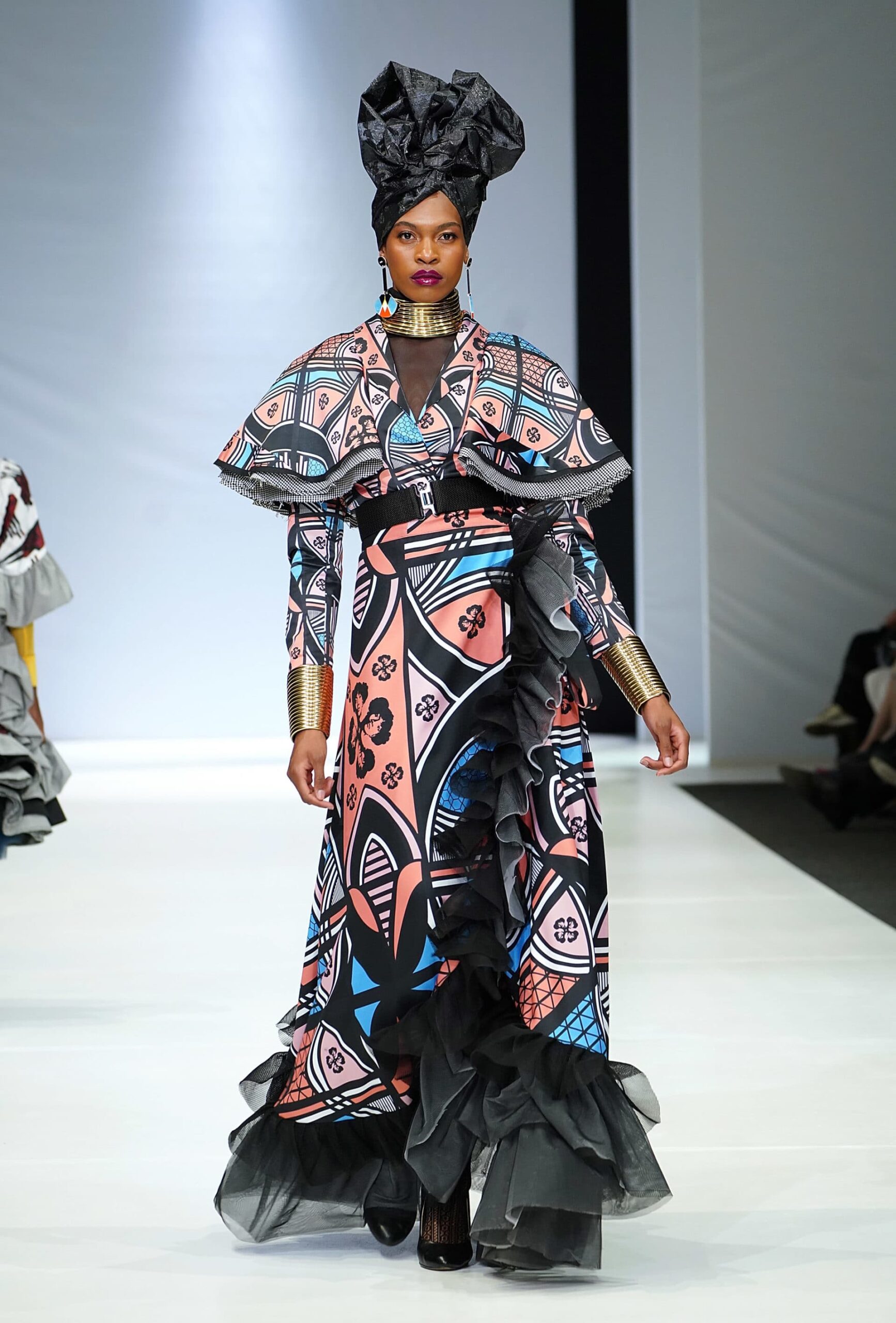
“South Africa’s fashion design sector is experiencing a transformative shift in 2026, with sustainability and cultural heritage at the forefront of innovation. Designers are merging recycled materials with African-inspired motifs, creating collections that resonate globally while reinforcing local identity.”
The South African fashion industry has entered a defining era in 2026, where design innovation is no longer just about aesthetics but about responsibility, identity, and resilience. With the market projected to reach USD 7.9 billion by 2030, the role of design has become central to shaping consumer behavior, brand positioning, and cultural storytelling.
Market Context
- Sustainable fashion growth: Expected to hit USD 680.66 million by 2033, with a CAGR of 25.27% from 2026.
- Luxury resilience: An 8% increase in luxury trading density in shopping centers shows strong demand for premium design.
- Global competition: Retail giants like Amazon, Shein, and Temu are entering the market, forcing local designers to differentiate through unique design narratives.
Design Innovations
- Recycled Materials
- Designers are experimenting with fabrics made from plastic waste, organic cotton, and hemp.
- Recycled denim and upcycled textiles are gaining traction in both streetwear and luxury segments.
- Cultural Motifs
- Ndebele, Zulu, and Xhosa-inspired prints are being integrated into modern silhouettes.
- Heritage patterns are not only aesthetic but also serve as cultural preservation tools.
- Colour and Fabric Trends
- Earthy neutrals like sand and stone dominate, reflecting South Africa’s landscapes.
- Jewel tones (emerald, sapphire, ruby) add vibrancy to collections.
- Metallic finishes connect fashion to digital culture and youth identity.
Consumer Behavior
- E-commerce dominance: Online sales have risen sharply, with fashion consumers increasingly buying sustainable and culturally inspired designs online.
- Gen Z influence: Youth-driven demand for authenticity and eco-consciousness is reshaping design priorities.
Challenges
- Global competition: International fast-fashion brands undercut local designers with aggressive pricing.
- Supply chain limitations: Access to sustainable raw materials remains costly.
- Consumer education: Many buyers still prioritize affordability over sustainability.
Opportunities
- Destination stores: Retailers are creating immersive spaces that highlight sustainable design.
- Collaborations: Partnerships between local artisans and global brands are expanding reach.
- Export potential: South African sustainable fashion is gaining recognition in Europe and Asia.
Case Studies
- Kingsgate Clothing Group: Investing in recycled fabrics and localized design strategies.
- Da Gama Textiles: Reviving heritage prints with eco-friendly production methods.
- Luxury brands: Incorporating sustainability into high-end collections, appealing to affluent eco-conscious consumers.
Conclusion
South Africa’s fashion design industry in 2026 is not just following global trends—it is setting them. By merging sustainability with cultural identity, designers are creating a unique value proposition that resonates locally and globally. This transformation positions South Africa as a continental leader in eco-conscious fashion, with design innovation at its core.



