




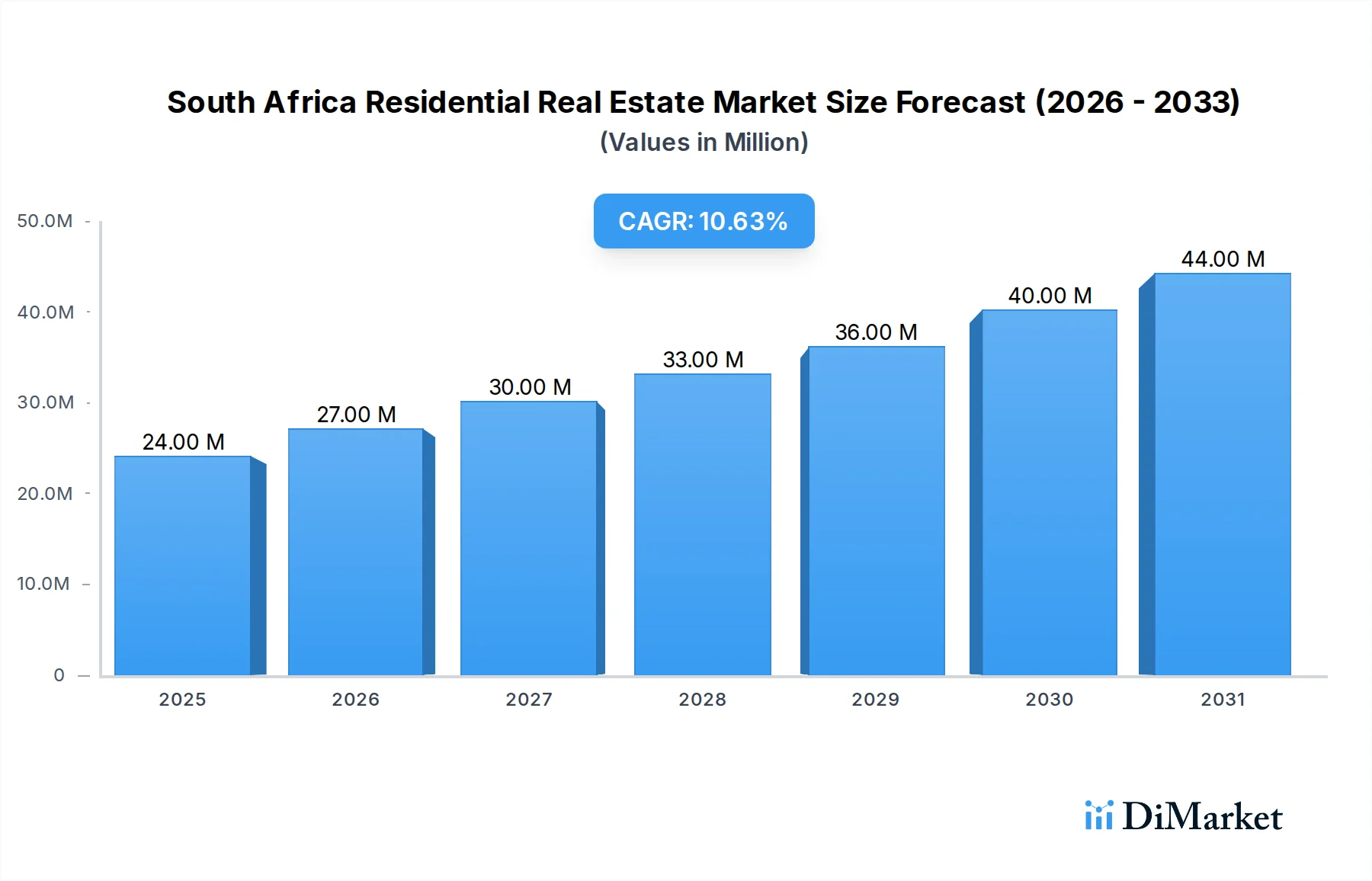
“South Africa’s real estate investment sector is experiencing renewed confidence in September 2026, driven by the South African Reserve Bank’s decision to maintain interest rates at 7.00%. This stability has encouraged investors to expand into residential, commercial, and industrial properties, with Cape Town and Johannesburg leading the surge.”
South Africa’s real estate investment market has entered September 2026 with a renewed sense of optimism. After years of volatility driven by global economic uncertainty, fluctuating interest rates, and pandemic-related disruptions, the sector is now stabilizing. Investors, developers, and buyers are finding confidence in a predictable environment shaped by the South African Reserve Bank’s (SARB) decision to maintain the repo rate at 7.00%, translating into a prime lending rate of 10.50%.
Interest Rate Stability as a Catalyst
Interest rates remain one of the most influential factors in property affordability and investment viability. SARB Governor Lesetja Kganyago has reiterated the bank’s commitment to balancing inflation control with sustainable growth. By holding rates steady, the SARB has provided a platform for long-term planning, reducing borrowing uncertainty, and encouraging developers to launch new projects.
Residential Market Momentum
The residential property market is seeing steady growth across both affordable and mid-to-high-end segments. Urban hotspots such as Cape Town and Johannesburg are experiencing increased buyer activity, with house prices rising steadily. This surge is driven by young professionals entering the market, expatriates returning, and local investors seeking stable returns.
Key highlights:
- Affordable housing demand remains strong, supported by government-backed financing schemes.
- Mid-to-high-end properties are attracting foreign investors, particularly in Cape Town’s Atlantic Seaboard.
- Rental yields in Johannesburg’s northern suburbs have risen by 6.5% year-on-year, signaling robust demand.
Commercial Property Recovery
The commercial property sector is rebounding strongly in 2026. Industrial real estate is the star performer, with vacancy rates dropping to 3.8% nationally, a record low. Rental growth surged 8.4% year-on-year for logistics and warehousing spaces, driven by e-commerce expansion and last-mile distribution needs.
Office demand, which had slumped during the pandemic, is stabilizing. Flexible workspaces and hybrid office models are reshaping demand, while retail nodes are regaining momentum as consumer confidence improves. Institutional investors are returning, signaling new opportunities for developers and landlords.
Investor Confidence and Opportunities
Investor sentiment is shifting positively, with both local and international players eyeing South Africa’s property market. The combination of stable interest rates, rising rental yields, and improving occupancy rates has created fertile ground for investment.
Emerging opportunities include:
- Industrial hubs near major transport corridors.
- Mixed-use developments combining residential, retail, and office spaces.
- Green buildings and sustainable developments, which are increasingly favored by ESG-focused investors.
Risks and Challenges
Despite the optimism, challenges remain:
- Load-shedding and energy instability continue to affect property operations.
- Rising construction costs could limit affordability in new developments.
- Global economic uncertainty may still impact foreign investment inflows.
Conclusion
South Africa’s real estate investment market in September 2026 is characterized by stability, resilience, and renewed confidence. With interest rates steady, residential and commercial segments are thriving, offering investors a balanced mix of short-term rental yields and long-term capital appreciation. Cape Town and Johannesburg stand out as the leading hotspots, while industrial real estate continues to dominate as the sector’s strongest performer.



