




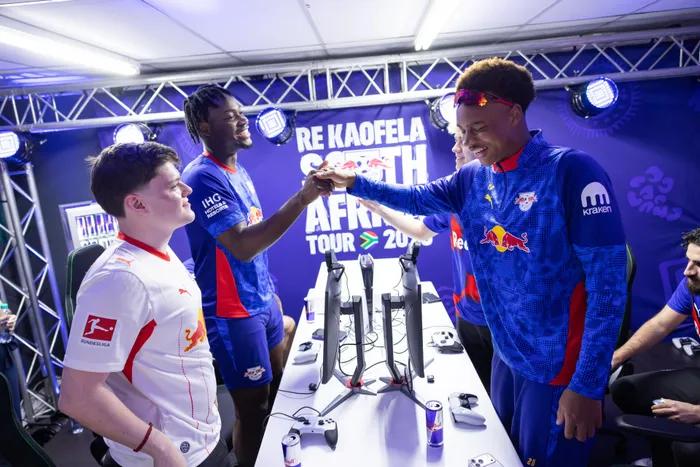
“South Africa’s Red Bull Wings Cup reaches a major milestone on 1 November 2026, with the national final scheduled at Loftus Versfeld Stadium in Pretoria, bringing together 16 EA SPORTS FC 27 competitors. The winner is expected to earn the opportunity to represent South Africa at the international World Final in Miami in January 2027, creating an important pathway from local competitive gaming to international esports.”
South Africa’s esports competitors prepare for a major national showdown
South Africa’s competitive gaming community reaches an important moment on Sunday, 1 November 2026, as the Red Bull Wings Cup National Final brings 16 EA SPORTS FC 27 players to Loftus Versfeld Stadium in Pretoria. The tournament gives local competitors an opportunity to claim the national title and earn a place at the Red Bull Wings Cup World Final, expected to take place in Miami in January 2027. It is an important example of how esports in South Africa is connecting online competition, university participation, live events and international opportunities.
The national final is scheduled to begin at 16:00 South African time, with doors opening at 15:00 for player briefings and preparation. According to the official tournament information, the programme progresses from the round of 16 to the quarter-finals, followed by the semi-finals, the third-place match and the grand final. Prizegiving is scheduled for 19:35, with the event expected to close at 20:00. These arrangements create a demanding afternoon of competition in which concentration, tactical awareness and consistency will be essential.
Sixteen competitors earn places in the national championship
Sixteen competitors have qualified through several pathways designed to bring different sections of South Africa’s EA SPORTS FC community into one national competition.
The qualification structure includes:
-
Eight players from the University League leaderboard.
-
Six players from the Open League closed qualifier.
-
One player from the Comic Con Africa wildcard.
-
One player from the Makro wildcard.
This combination is significant because it gives university competitors a defined route into the national competition while allowing players from the wider online and gaming-event communities to participate.
The national final therefore represents more than a competition between individual gamers. It brings together players who have progressed through different competitive environments, creating an opportunity to demonstrate their abilities against some of the country’s strongest EA SPORTS FC competitors.
A demanding tournament format raises the stakes
The national final uses a single-elimination bracket, with each tie decided through two matches played on a home-and-away basis. The aggregate score determines which competitor progresses.
This format introduces an additional tactical challenge. Players must manage their performances across both matches, adjusting their strategies depending on the first result. A competitor who loses the opening match may still recover in the return game, while someone who establishes an early advantage must defend that position intelligently.
If the aggregate scores are level, the tournament’s specified tiebreak procedure applies.
Consequently, competitors need more than impressive attacking skills. They must demonstrate defensive discipline, effective decision-making, tactical flexibility and the ability to remain composed under pressure. A single mistake can have serious consequences in a knockout competition.
From online qualification to the national stage
The competition window began on 29 September 2026. South African players could enter through two main pathways: the Open League, conducted online through PlayStation Tournaments and FACEIT, and the University League, which uses university-based activations.
This approach allows players from different backgrounds to compete for national recognition. Online participation reduces the need for competitors to travel during the early stages, while university competitions create opportunities for students to develop their gaming abilities in organised environments.
The qualification system also reflects the changing nature of esports. Competitive gaming is no longer limited to informal gatherings or individual players competing from home. Instead, structured competitions increasingly involve registration systems, organised fixtures, tournament rules, qualification stages and professional event management.
By connecting online and campus competitions to a national final, the Wings Cup provides a visible pathway for players who want to take their gaming ambitions further.
Kennedy Kapembwa’s Comic Con Africa breakthrough
One of the competition’s early standout moments came at Comic Con Africa in Johannesburg, where Kennedy Kapembwa won a Red Bull Wings Cup activation involving 255 competitors.
His performance secured an opportunity to progress towards the national competition and demonstrated the considerable interest in competitive football gaming among South African players.
Kapembwa described the experience positively, highlighting the quality of competition and the challenge presented by fellow competitor Zaid April.
The Comic Con activation was particularly important because it introduced the competition to a wider gaming audience. Large entertainment conventions provide an opportunity for established competitors, developing players and spectators to experience esports in an interactive environment.
For emerging gamers, such events can provide valuable exposure and opportunities to test their abilities against unfamiliar opponents. Kapembwa’s performance illustrates how public gaming activations can become important stepping stones towards larger competitive events.
The Miami opportunity increases international expectations
The biggest incentive surrounding the national final is the opportunity to represent South Africa at the Red Bull Wings Cup World Final in Miami, expected in January 2027.
The international competition is designed to bring together national champions from different participating countries. Importantly, the World Final is expected to combine EA SPORTS FC gaming challenges with real-world football activities.
This creates a distinctive international experience in which competitors must demonstrate their understanding of football in both digital and physical environments.
For South African players, international representation could provide valuable exposure to different playing styles, competitive standards and gaming communities. It could also help demonstrate the country’s growing talent pool to international esports audiences.
International opportunities are particularly important for developing esports markets because they provide local players with measurable goals beyond domestic competitions.
A national championship can become a starting point for a much larger competitive journey, especially when the winner receives an opportunity to participate in a recognised international event.
Universities become important development centres
The University League component deserves particular attention because educational institutions can play an important role in developing competitive gaming.
University competitions provide students with opportunities to participate in organised tournaments, develop friendships and build communities around shared gaming interests.
They can also help identify emerging talent at an early stage. Players who demonstrate strong performances in university competitions may gain opportunities to progress into more demanding competitive environments.
The fact that eight of the 16 national-final positions are allocated through the University League leaderboard highlights the importance of this pathway.
Universities can further support esports development through gaming facilities, student societies, organised competitions and partnerships with tournament organisers.
These initiatives could help make competitive gaming more accessible to young South Africans who have the ability and motivation to participate but lack established professional connections.
The wider South African esports industry continues to expand
The Red Bull Wings Cup is taking place during an active period for South African competitive gaming.
Different tournaments are providing opportunities across football simulations, fighting games, tactical shooters and multiplayer online games.
Another significant development is the Nedbank Summoner Tournament, which is bringing South African League of Legends teams into online qualifiers scheduled for November. The competition is expected to culminate in a R100,000 LAN final at rAge Nation from 27 to 29 November 2026.
This separate tournament demonstrates how local esports organisers and sponsors are creating opportunities for competitors across different gaming genres.
Meanwhile, rAge Nation is scheduled to bring gaming, esports, technology and entertainment communities together at Fourways Mall in Johannesburg later in November.
These developments suggest that South Africa’s esports calendar is becoming increasingly diverse, with competitions catering to different gaming communities and skill levels.
The importance of investment and sponsorship
Corporate sponsorship is another important factor in the development of competitive gaming.
Major tournaments require funding for event facilities, equipment, broadcasting, administration, prize structures and player support. Sponsors can help provide these resources while introducing esports to audiences who might not otherwise follow competitive gaming.
The involvement of major brands can also improve the visibility of South African competitors. When tournaments receive professional promotion and attract spectators, they create opportunities for players, organisers, commentators, content creators and other professionals working within the gaming industry.
However, sustainable development requires more than sponsorship of individual competitions. The industry needs continued investment in grassroots programmes, accessible gaming facilities, player development and regular competitive opportunities.
Challenges facing South African esports
Despite its progress, South Africa’s esports industry still faces several challenges.
Access to reliable internet connectivity, suitable gaming equipment and affordable participation opportunities remains important. Players outside major metropolitan areas may struggle to access the same facilities and competitive networks available in established gaming centres.
There is also a need for more consistent development structures, including coaching, mentorship, transparent tournament administration and opportunities for younger competitors.
Addressing these challenges could help broaden participation and ensure that talented players from different communities have opportunities to develop their abilities.
The combination of online qualifiers, university participation and wildcard entries used by the Wings Cup provides one approach to expanding access.
What the national final means for South African gaming
The Red Bull Wings Cup National Final represents an important opportunity to showcase South African gaming talent in a professionally organised environment.
The competition connects grassroots participation with national recognition and an international opportunity. It also demonstrates how football gaming can attract audiences who already have a strong interest in traditional football.
Loftus Versfeld provides a recognisable sporting setting for this competition, bringing digital football into a venue associated with South African sporting culture.
For the competitors, the immediate challenge is to perform consistently throughout the knockout bracket. For spectators, the event offers an opportunity to experience the intensity and tactical complexity of competitive EA SPORTS FC 27.
Conclusion: A new opportunity for South African esports
The 1 November national final marks an important milestone in South Africa’s competitive gaming calendar. Sixteen qualified players are competing for national recognition and the opportunity to progress to the international stage in Miami.
The competition’s combination of university participation, online qualification and public gaming activations demonstrates how different pathways can contribute to developing local esports talent.
Although the final result must be confirmed after the competition, the event itself highlights the growing opportunities available to South African gamers.
Ultimately, the future of the country’s esports industry will depend on continued investment, accessible competitions, stronger development programmes and international exposure.
The Red Bull Wings Cup provides another opportunity to demonstrate that South African gaming talent deserves recognition beyond national borders. The next generation of competitors will need these opportunities to turn their passion, dedication and gaming abilities into meaningful competitive careers.



