




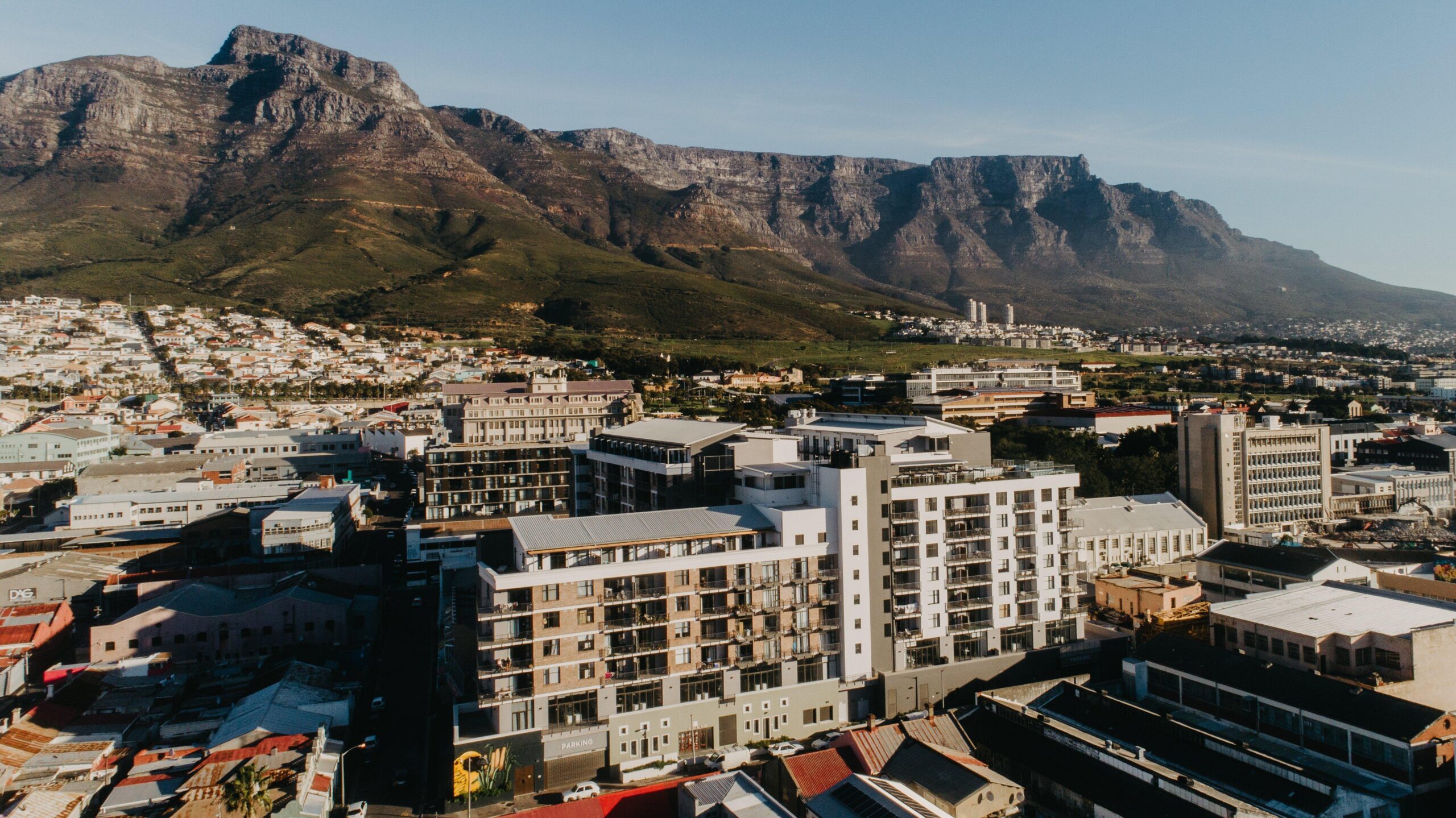
“South Africa’s residential rental market recorded annual rental growth of 5.2% in the second quarter of 2026, taking the average monthly rent to a record R9,715, while the Western Cape experienced considerably faster growth of 9.7%. However, higher rents, rising property expenses and concerns about tenants’ ability to pay are creating a more complicated market for landlords, property managers and households seeking affordable accommodation.”
South Africa’s residential rental market is showing renewed momentum, with rental prices increasing across the country and the Western Cape emerging as one of the strongest-performing regions. Recent industry reporting indicates that the national rental market accelerated during the second quarter of 2026, creating new opportunities for property investors while intensifying concerns about housing affordability for tenants.
The latest figures reported by Real Estate Investor Magazine, drawing on the PayProp Rental Index, show that average monthly rent reached R9,715 in the second quarter of 2026. Annual rental growth increased to 5.2%, compared with 4.8% in the preceding quarter. This represented the strongest quarterly growth performance since early 2025, signalling renewed activity in South Africa’s rental housing sector.
Nevertheless, the market’s performance presents a mixed picture. Although landlords may benefit from higher rental income, tenants must increasingly balance accommodation costs against food, transport, electricity, education and other household expenses. Consequently, the latest developments raise important questions about sustainable rental growth, investment returns and the availability of reasonably priced homes.
Western Cape leads rental growth
The Western Cape has become a significant driver of rental growth in South Africa. According to the September 2026 report, average rents in the province increased by 9.7% year on year, reaching R12,561 per month during the second quarter.
This figure places the Western Cape considerably above the national average of R9,715. The difference illustrates how rental conditions can vary between provinces, depending on local demand, available housing and the cost of securing accommodation in particular areas.
The province’s performance is particularly important for tenants searching for homes in established employment centres and popular residential locations. Where demand for available properties exceeds the supply of suitable accommodation, prospective tenants may face stronger competition when applying for rentals.
However, rental growth does not necessarily mean every landlord can increase prices without consequences. Household budgets remain important, and prospective tenants may respond to higher prices by considering smaller properties, sharing accommodation, moving farther from employment centres or searching for less expensive neighbourhoods.
For property owners, understanding these local differences is essential. A rental strategy that works in one suburb may not produce the same results in another. Investors therefore need to evaluate comparable properties, local demand and the financial circumstances of prospective tenants before setting rental prices.
National rental prices reach a record
The national average monthly rent of R9,715 represents an important development for the South African residential property market. The increase reflects continued demand for rented accommodation and the changing balance between household affordability and housing costs.
Rental properties play a significant role in the country’s housing system. They provide accommodation for people who are not ready to purchase homes, households that cannot qualify for mortgages, workers relocating for employment and residents who prefer the flexibility of renting.
At the same time, higher rental prices can make it more difficult for households to save deposits for future home purchases. Tenants who devote a larger proportion of their income to accommodation may have less money available for savings, emergencies and other essential needs.
The implications extend beyond individual households. Rental affordability can influence where workers choose to live, how far they travel to work and whether families can remain close to schools, healthcare facilities and support networks.
As a result, the rental market should not be evaluated solely through increases in average prices. Policymakers, landlords and property professionals also need to consider whether rental homes remain accessible to households across different income groups.
Affordability remains a major concern
One of the central challenges facing South Africa’s rental sector is ensuring that increasing rental income does not undermine tenants’ ability to meet their monthly obligations.
The September report highlighted concerns about affordability, noting that tenant arrears edged up to 16.9%. This indicator requires careful interpretation: arrears are not identical to permanent defaults, and the figure should not automatically be treated as the proportion of tenants who cannot afford their homes. Nevertheless, it highlights the importance of monitoring payment performance alongside rental growth.
For tenants, the financial pressure can become particularly difficult when rental increases coincide with higher food prices, transport expenses, utility bills and other living costs. Even households with regular employment may find it challenging to absorb several increases simultaneously.
For landlords, delayed payments can affect their ability to cover mortgage instalments, municipal charges, insurance, maintenance and property management fees. A property that appears profitable on paper may produce disappointing results if tenants regularly pay late or if operating expenses rise faster than rental income.
Responsible rental management therefore requires a balance between achieving an appropriate return and maintaining realistic expectations about tenants’ financial capacity.
Landlords can reduce some risks by assessing prospective tenants consistently, communicating clearly about lease terms and responding promptly when payment difficulties arise. Tenants, meanwhile, benefit from understanding their lease obligations, planning for rental increases and communicating early when they encounter financial problems.
What the trends mean for property investors
The renewed rental growth may attract investors who want to earn recurring income from residential property. However, higher advertised rents should not be confused with guaranteed investment profits.
A property’s financial performance depends on several factors, including its purchase price, financing arrangements, vacancy periods, maintenance requirements, insurance, municipal charges and the reliability of rental payments.
For example, an investor who purchases a property at a high price may achieve a lower net return than another investor who owns a more moderately priced property, even if both charge similar monthly rents.
Investors should therefore calculate expected rental income against realistic operating expenses. They should also allow for periods when a property is unoccupied, unexpected repairs and the costs associated with finding replacement tenants.
Location remains important, but it should be assessed alongside affordability and tenant demand. Properties close to employment opportunities, transport routes, educational institutions and essential services may appeal to particular groups of renters. However, these advantages do not eliminate the need to assess purchase costs and the condition of the building.
The Western Cape’s strong rental growth may encourage additional investor interest, yet the reported increase alone cannot establish whether every suburb or property type offers an attractive investment opportunity. Local research remains essential.
Property management becomes increasingly important
As the rental market evolves, professional property management can help landlords protect their investments and maintain better relationships with tenants.
Effective management includes setting competitive rental prices, preparing clear lease agreements, conducting appropriate property inspections, arranging repairs and maintaining accurate financial records.
Communication is equally important. Tenants are more likely to understand their responsibilities when rental terms, payment dates, deposit arrangements and procedures for reporting maintenance problems are clearly explained.
Landlords should also understand the legal requirements governing residential leases, deposits, tenant privacy, property maintenance and lawful eviction procedures. Rental disputes can become expensive when owners or tenants act without understanding their rights and obligations.
For property managers, the latest rental trends underline the importance of monitoring both market prices and payment performance. A strategy focused exclusively on maximising monthly rent may not deliver the strongest long-term outcome if it increases vacancies or makes it harder to retain reliable tenants.
The importance of affordable housing
South Africa’s rental market operates within a broader housing environment shaped by income inequality, urban development, infrastructure and access to employment.
When rental prices rise faster than a household’s income, residents may need to make difficult choices about where and how they live. Some households may move to less expensive areas, potentially increasing commuting times and transport costs. Others may share accommodation or reduce spending on other necessities.
These pressures highlight the need for a range of housing options serving different income levels. Affordable rental accommodation, well-maintained apartments and appropriately located developments can all contribute to a more accessible housing market.
Developers and investors can assess opportunities to provide smaller units, efficient layouts and properties near public transport and employment centres. However, the commercial viability of such projects depends on land prices, construction expenses, financing, planning approvals and local demand.
Municipal planning and infrastructure investment also matter. Reliable transport, water, electricity and other essential services influence whether residential developments can serve tenants effectively and remain attractive over time.
Addressing rental affordability will require cooperation between public authorities, developers, property owners, financial institutions and housing professionals. No single intervention is likely to resolve every challenge in a market as diverse as South Africa’s.
Outlook for the coming months
The latest available figures suggest that South Africa’s residential rental market entered the second half of 2026 with stronger annual growth than earlier in the year. Nevertheless, the outlook will depend on household finances, inflation, employment conditions, property operating expenses and the balance between rental demand and available accommodation.
Investors should avoid assuming that the recent growth rate will continue unchanged. Regional differences are substantial, and rental performance can vary according to neighbourhood, property condition, unit size and the income profile of prospective tenants.
Tenants should compare properties carefully, calculate the full cost of renting and review lease conditions before committing. Monthly rent is only one part of the total expense: deposits, utilities, transport and potential annual increases can significantly affect a household’s budget.
Landlords should likewise consider sustainable pricing, preventative maintenance and tenant retention rather than relying exclusively on headline rental increases.
More recent rental indices, payment-performance data and regional housing reports will help determine whether the strong growth recorded during the second quarter continues into the final months of 2026.
Conclusion
South Africa’s rental property market is demonstrating renewed growth, with the national average rent reaching R9,715 per month and the Western Cape recording annual growth of 9.7% in the second quarter of 2026. These figures indicate opportunities for property owners, but they also underline the importance of affordability, responsible management and careful investment decisions.
Ultimately, a healthy rental market must deliver more than rising prices. It must provide landlords with sustainable returns while ensuring that tenants can access suitable accommodation without placing excessive pressure on their household finances. The ability of South Africa’s rental sector to balance these competing priorities will remain central to its performance throughout the remainder of 2026.



