




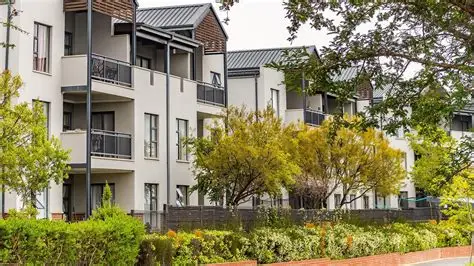
”South Africa’s rental housing sector in 2026 is experiencing robust growth, with average rents rising 5% year-on-year and vacancy rates dropping to 5%. Gauteng delivers the highest yields nationally, while Cape Town shows a polarized market between lifestyle-driven luxury rentals and yield-focused mid-tier properties.”
National Rental Trends
South Africa’s rental housing market has entered a dynamic growth phase in 2026. Average monthly rent nationwide now ranges between R9,300 and R9,582, reflecting a 5% year-on-year increase. Vacancy rates have dropped to around 5%, giving landlords moderate pricing power. This trend signals a shift from years of volatility driven by economic uncertainty and pandemic aftershocks.
Tenant demand is increasingly shaped by access to schools, transport hubs, and backup power systems, which can add R500–R1,500 to achievable rents. The market is also shifting toward smaller, more affordable units, especially one- and two-bedroom sectional-title apartments, aligning with affordability pressures and lifestyle changes.
Gauteng: The Yield Powerhouse
Gauteng has emerged as the dominant rental hub, offering the highest yields nationally. In Centurion, net yields have reached 12.5%, while areas such as Sandton, Rosebank, Bryanston, and Fourways deliver yields between 9.7% and 11.4%. Gauteng’s strength lies in its deep tenant pool, strong corporate presence, and reliable infrastructure.
Family-oriented suburbs like Bryanston command 30%+ rental premiums due to proximity to top schools. This combination of affordability, infrastructure, and tenant demand makes Gauteng the most attractive province for investors seeking consistent rental returns.
Cape Town: A Polarized Market
Cape Town presents a polarized rental landscape. Suburbs such as Woodstock and Observatory are achieving yields of 10–11%, driven by student and professional demand. In contrast, premium lifestyle suburbs like Clifton, Camps Bay, Sea Point, and Green Point deliver lower yields but retain strong resale appeal.
This polarization reflects Cape Town’s dual identity: a lifestyle-driven luxury market and a yield-focused mid-tier market. Investors must carefully balance yield expectations with long-term capital preservation when entering Cape Town’s rental sector.
Coastal Risks
Coastal regions such as Durban, Umhlanga, and Ballito remain attractive for lifestyle appeal but pose risks for investors. Seasonal demand fluctuations, high levies, and maintenance costs weaken yields. Moreover, municipal service delivery challenges increase vacancy exposure, making these areas riskier for long-term rental investment.
Investor Outlook
The resurgence of South Africa’s rental market in 2026 is reshaping investor sentiment. Gauteng offers consistent yield-driven opportunities, while Cape Town requires strategic balancing between lifestyle appeal and rental returns. Coastal areas, though attractive, demand caution due to seasonal volatility and infrastructure challenges.
For tenants, affordability pressures are pushing demand toward smaller, sectional-title apartments, while landlords benefit from reduced vacancy rates and moderate pricing power.



