




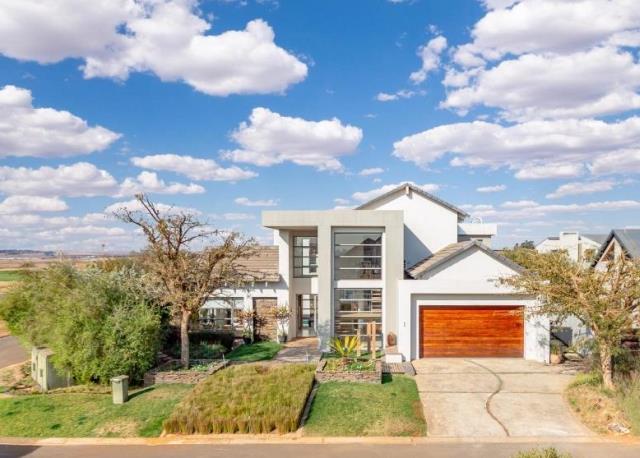
“The South African Reserve Bank’s decision to hold interest rates steady has created cautious optimism in the residential property market, with semigration fueling demand in coastal towns and lifestyle estates in Gauteng. While affordability remains a challenge for first-time buyers, regional hotspots are driving price appreciation and reshaping the housing landscape.”
South Africa’s residential real estate market in June 2026 reflects a delicate balance between stability and dynamism. With the South African Reserve Bank (SARB) holding the repo rate at 7.00% and the prime lending rate at 10.50%, the market has entered a phase of relative calm after years of volatility. This stability is crucial for both buyers and sellers, offering predictability in borrowing costs and enabling more strategic financial planning. Yet, beneath this calm lies a story of regional contrasts, affordability challenges, and shifting buyer preferences.
Interest Rate Stability: A Double-Edged Sword
The SARB’s decision to maintain interest rates has been welcomed by investors and established homeowners. For them, predictable borrowing costs mean better financial planning and reduced exposure to sudden market shocks. However, for first-time buyers, affordability remains a pressing issue. Monthly repayments on variable-rate bonds continue to weigh heavily on household budgets, limiting access to the market for lower-income earners. Negotiating favorable terms with banks such as Absa, Nedbank, and FNB has become a critical step for buyers seeking to maximize affordability.
Regional Hotspots: Coastal Havens and Gauteng Growth
The June 2026 PropFlow360 Property Market Trends report highlights stark contrasts across regions:
- Cape Town’s Bloubergstrand and Durbanville are experiencing sustained demand, driven by families and investors seeking properties with short-term rental potential.
- The Garden Route towns of George and Knysna continue to appreciate in value, fueled by semigration trends as professionals relocate from Gauteng and KwaZulu-Natal in search of lifestyle benefits and coastal living.
- In Gauteng, resilience is evident in nodes like Centurion and Midrand, where strategic location and infrastructure development underpin steady demand.
- Johannesburg’s appetite for secure lifestyle estates in Fourways and Waterfall Estate remains strong, with prices holding firm despite broader economic headwinds.
These estates, offering security and community amenities, are increasingly seen as safe havens for families navigating urban challenges.
Semigration and Lifestyle Shifts
Semigration—the movement of professionals from inland provinces to coastal towns—has become a defining feature of South Africa’s property market. Motivated by lifestyle preferences, remote work opportunities, and quality of life considerations, buyers are flocking to towns like Knysna, George, and Gqeberha. This trend has reshaped demand patterns, boosting property values in regions previously considered secondary markets.
Affordability Challenges
Despite regional growth, affordability remains a significant barrier. The high base interest rate restricts entry for many aspiring homeowners. While subsidies such as the Finance Linked Individual Subsidy Programme (FLISP) provide some relief, the gap between household income and property prices continues to widen. For example, the Western Cape’s average transaction price of R1.98 million is far beyond the reach of many middle-income families.
Market Outlook
Looking ahead, analysts predict continued resilience in lifestyle estates and coastal towns, while affordability pressures may dampen growth in entry-level markets. The balance between stability and accessibility will determine the trajectory of South Africa’s residential property sector in the coming months.
Conclusion
South Africa’s residential property market in June 2026 is a story of contrasts: stability in interest rates, strong demand in coastal towns, and resilience in Gauteng lifestyle estates, all tempered by affordability challenges. For investors, the current climate offers opportunities in regional hotspots, while first-time buyers must navigate a tough affordability landscape.



