




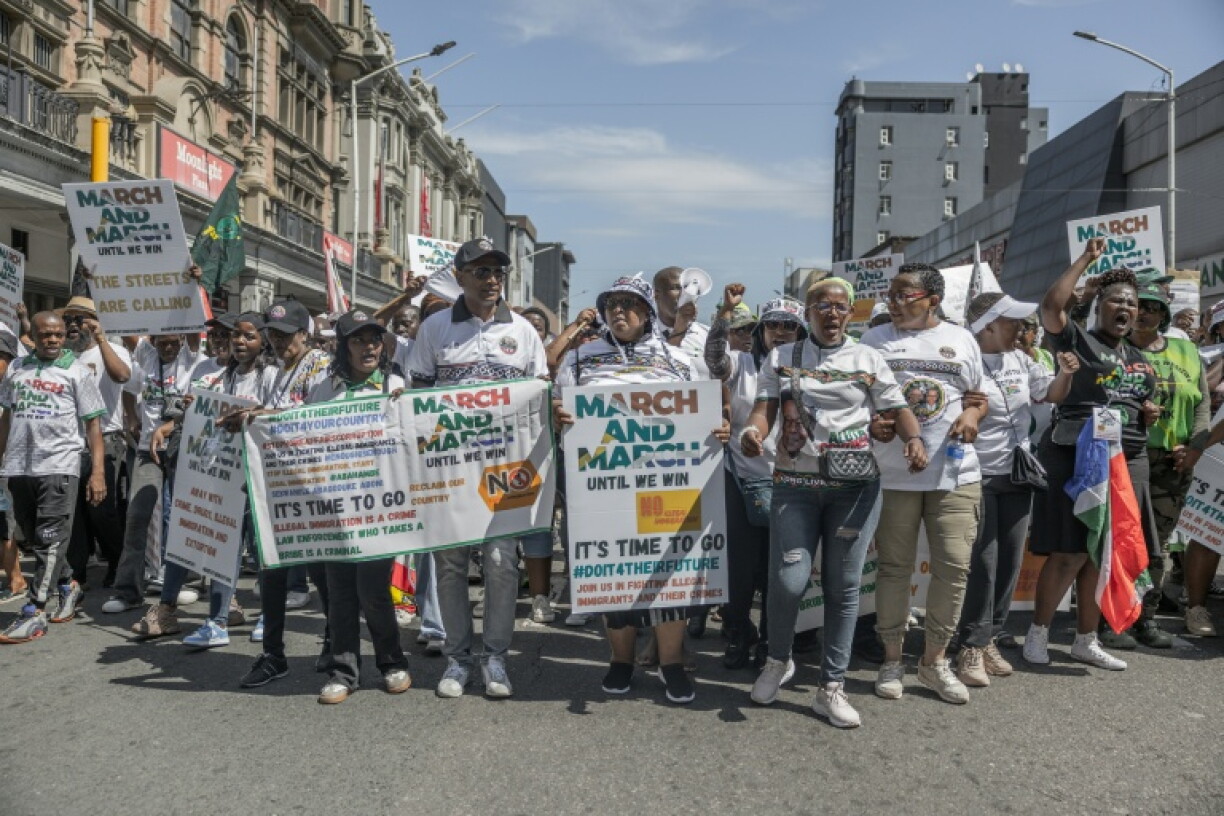
“South Africa is facing widespread trade and economic disruption today as anti-immigrant protests escalate, forcing businesses to close, workers to stay home, and freight corridors to shut down. Authorities have deployed police and military nationwide to safeguard supply chains, but tensions remain high as trucking unions and civic groups back calls for a “total shutdown.”
On June 30, 2026, South Africa entered a day of heightened tension as anti-immigrant protests swept across major cities and trade corridors. What began as a civic movement against undocumented migration has now evolved into a nationwide disruption, directly affecting commerce, logistics, and the country’s fragile economy. The protests, backed by trucking unions and grassroots organizations, have raised fears of violence, xenophobia, and economic paralysis.
Background to the Shutdown
The protests were organized by groups demanding stricter border controls and mass deportations of undocumented migrants. The All Truck Drivers Forum South Africa (ATDF-SA) announced its support, citing frustration over the employment of foreign drivers and the erosion of job opportunities for South Africans. This endorsement transformed the protests from a political demonstration into a trade crisis, as trucking unions called for a “total shutdown” of national routes.
Impact on Trade and Logistics
- Major freight corridors such as the N3 and N1 were threatened with closure, raising alarms over supply chain disruptions.
- Durban’s port, a critical hub for imports and exports, faced reduced activity as businesses shuttered and workers stayed home.
- Truck fires and gunfire incidents near Heidelberg highlighted the risks of violence spilling into trade infrastructure.
Business Closures and Worker Absences
Across Johannesburg, Durban, and Pretoria, shops closed and buses sat idle. Many foreign nationals avoided work, fearing attacks, while landlords evicted tenants to prevent vandalism. This mass absence of labor and commerce has created ripple effects across industries, from retail to manufacturing.
Government and Law Enforcement Response
President Cyril Ramaphosa urged demonstrators to protest peacefully, emphasizing that constitutional rights come with responsibilities. The South African Police Service (SAPS) activated “Operation June 30,” deploying public order units, specialized response teams, and air support across all nine provinces. Deputy National Commissioner Tebello Mosikili assured citizens that “the State is ready” and warned against intimidation, vandalism, or violence.
Political and Social Dimensions
The protests have exposed deep divisions in South African society. While many citizens express legitimate concerns about illegal immigration and its impact on public services, critics argue that the focus on migrants distracts from systemic governance failures. The National Informal Traders Alliance of South Africa (NITASA) condemned violence and stressed that poor regulation, not migration, is the root of economic stagnation.
Regional and International Repercussions
South Africa’s reputation as a defender of human rights has been tarnished by xenophobic attacks. Neighboring countries have expressed concern over the safety of their citizens, and regional trade partners worry about disruptions to supply chains. The protests risk straining diplomatic relations across the continent, particularly with nations whose citizens form part of South Africa’s migrant workforce.
Economic Consequences
- Freight delays threaten exports of minerals, agricultural products, and manufactured goods.
- Retail and service industries face losses from closures and absentee workers.
- Investor confidence is shaken, with fears of instability reminiscent of the July 2021 unrest.
Economists warn that prolonged disruptions could cost billions in lost productivity and trade revenue, undermining South Africa’s fragile post-pandemic recovery.
Conclusion
June 30, 2026, will be remembered as a day when trade and politics collided in South Africa. The protests, though rooted in immigration concerns, have spiraled into a national crisis affecting commerce, logistics, and international relations. Whether the government can balance constitutional freedoms with economic stability remains to be seen, but today’s events underscore the urgent need for effective governance, fair regulation, and inclusive dialogue.



