




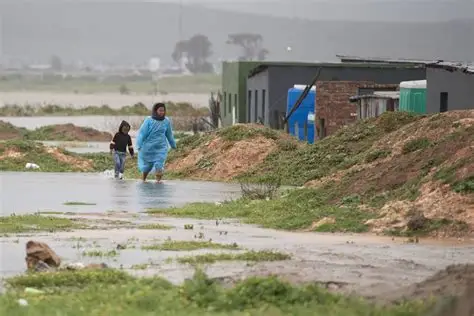
“A new environmental study warns that cleaning up PFAS contamination is nearly impossible once these chemicals enter ecosystems, making prevention critical for water and soil security in Southern Africa. The findings come as climate-induced disasters, from European wildfires to African droughts, underscore the need for proactive environmental policies.”
South Africa and its neighboring countries are grappling with a dual environmental crisis: the rise of “forever chemicals” (PFAS) in ecosystems and the accelerating impacts of climate change. A study released today underscores the severe limitations of PFAS cleanup, warning that remediation is both prohibitively expensive and largely ineffective. This revelation has profound implications for water security, agriculture, and public health across Southern Africa.
What Are PFAS?
- PFAS (Per- and Polyfluoroalkyl Substances) are synthetic chemicals used in products like firefighting foam, non-stick cookware, and waterproof clothing.
- They are nicknamed “forever chemicals” because they do not break down naturally in the environment.
- Once released, PFAS accumulate in soil, water, and even human bloodstreams, posing long-term health risks including cancer, immune system damage, and developmental issues.
Key Findings of the Study
- Remediation Inefficiency: Attempts to decontaminate PFAS from soil and water are largely unsuccessful due to their diffuse spread.
- High Costs: Cleanup projects require advanced technology and massive financial resources, often beyond the reach of developing nations.
- Policy Implication: Prevention—through strict regulation of PFAS use—is more effective than post-contamination cleanup.
Impact on South Africa
South Africa’s reliance on agriculture and its vulnerability to water scarcity make PFAS contamination particularly dangerous.
- Agricultural Soil: PFAS can reduce crop yields and contaminate food supplies.
- Water Security: With many communities already facing drought, PFAS pollution threatens drinking water reserves.
- Public Health: Rural populations dependent on groundwater are at heightened risk of exposure.
Climate Change Context
The PFAS crisis is unfolding against a backdrop of worsening climate events:
- Europe: Wildfires in France disrupted major sporting events like the Tour de France.
- UK: Prolonged heatwaves strained infrastructure and public health systems.
- Southern Africa: Rising temperatures and erratic rainfall patterns compound the risks of chemical contamination.
Government and Policy Response
The Department of Forestry, Fisheries and the Environment (DFFE) has emphasized the need for stronger environmental management frameworks.
- Legislation: South Africa’s Constitution guarantees citizens the right to a safe environment.
- Interventions: Raising awareness, building capacity, and strengthening partnerships are central to DFFE’s mission.
Global Lessons for South Africa
- Prevention First: Countries must regulate PFAS production and ban non-essential uses.
- International Cooperation: Southern Africa can benefit from global partnerships to share technology and expertise.
- Climate Adaptation: Policies must integrate chemical safety with climate resilience strategies.
Risks and Challenges
- Economic Burden: Developing nations face financial constraints in implementing advanced PFAS monitoring systems.
- Public Awareness: Many citizens remain unaware of PFAS risks, limiting grassroots activism.
- Policy Enforcement: Weak enforcement of environmental laws undermines progress.
Opportunities
- Innovation: South African universities and research institutions can pioneer low-cost PFAS detection methods.
- Activism: Civil society groups can pressure industries to phase out PFAS.
- Regional Cooperation: SADC nations can collaborate on shared water and soil protection initiatives.
Conclusion
The PFAS crisis is a wake-up call for South Africa: prevention must be prioritized over costly and ineffective cleanup. As climate change intensifies, integrating chemical safety with climate resilience is essential to safeguard water, soil, and public health. The path forward requires bold legislation, international cooperation, and grassroots activism to ensure a sustainable future.



