




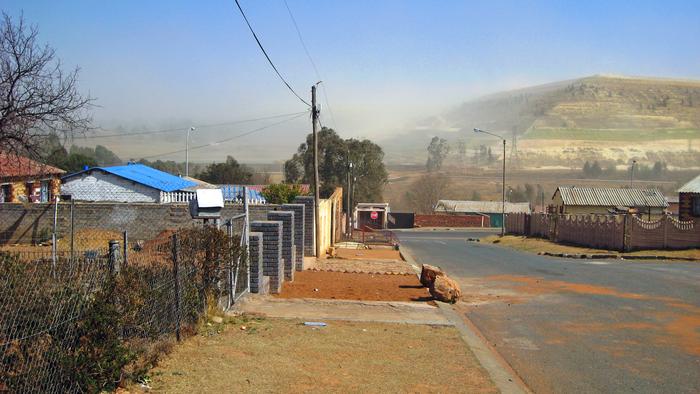
“An offline air-quality monitor in Springs has raised concerns about the ability of residents and authorities to understand local pollution levels around communities living near old mine dumps. The issue highlights the importance of reliable environmental monitoring, transparent public information and effective action to protect people from potentially harmful air pollution.”
Air-quality monitoring gap puts environmental health and community protection in focus
Residents of Springs, on Gauteng’s East Rand, are raising concerns about pollution in an area surrounded by old mine dumps, bringing renewed attention to the relationship between environmental conditions, public health and municipal accountability. Reporting published by Health-e News on 15 October 2026 identifies an air-quality monitoring problem in Springs, where a monitor is reportedly offline while community concerns about pollution persist.
The issue is important because environmental monitoring provides the information communities and authorities need to assess possible health risks. When monitoring equipment stops operating, residents may have fewer reliable ways to understand changes in local air quality, identify pollution episodes and assess whether interventions are working.
Although an offline monitor does not automatically mean pollution levels have increased, the loss of monitoring information can make it more difficult to establish what people are breathing. Consequently, restoring reliable measurements and communicating findings clearly should be central to any public-health response.
Why air quality matters for public health
Air pollution is a significant environmental health concern because airborne particles and gases can affect the respiratory and cardiovascular systems. The consequences depend on the pollutants involved, their concentrations, exposure duration and individual susceptibility.
Fine particulate matter, commonly described as PM2.5, is particularly concerning because these particles are small enough to penetrate deep into the lungs. Larger inhalable particles, including PM10, can also affect respiratory health. Other pollutants, such as nitrogen dioxide, sulphur dioxide and ground-level ozone, can contribute to respiratory irritation and other adverse health effects.
Long-term exposure to particulate air pollution is associated with increased risks of cardiovascular disease, respiratory illness and premature death. Short-term exposure to elevated pollution levels can aggravate asthma and other respiratory conditions, potentially increasing the need for medical treatment.
However, determining the risks facing a particular Springs neighbourhood requires actual monitoring results and information about the sources of pollution. The presence of mine dumps alone cannot establish the precise concentration of harmful substances in the air.
This distinction matters because public-health communication must inform people without causing unnecessary alarm. Residents deserve clear explanations of what is known, what remains uncertain and what authorities are doing to investigate their concerns.
Mine dumps and the environmental challenges facing communities
The East Rand has a long mining history, and its landscape includes mine waste deposits that remain visible around residential and industrial areas. These structures can present environmental management challenges, particularly where exposed material is affected by wind, erosion or human activity.
Depending on the composition of the material and local conditions, dust from mine dumps may contain mineral particles and potentially hazardous substances. The actual composition varies between sites, meaning that sampling and laboratory analysis are necessary before drawing conclusions about specific contaminants.
Wind can transport dust away from exposed surfaces and towards nearby properties. Construction, vehicle movement, excavation and other activities may also contribute to airborne particles. Industrial emissions and traffic can create additional pollution sources, making it difficult to attribute local air-quality problems to one source without detailed investigation.
For households living close to these environments, repeated dust exposure may create concerns about breathing difficulties, household cleanliness and the health of children. People who already have asthma or other respiratory conditions may be particularly concerned during dusty or smoky conditions.
Nevertheless, visible dust does not provide a complete measurement of health risk. Some harmful pollutants cannot be seen or smelled, while visible dust can contain materials with different levels of toxicity. Scientific monitoring is therefore essential for determining the nature and severity of exposure.
Why an offline monitoring station matters
Air-quality monitoring stations collect measurements that help researchers and environmental authorities understand pollution patterns. Depending on their equipment, they may record particulate matter, gases, weather conditions and other indicators relevant to environmental health.
These measurements can reveal whether pollution levels rise during particular weather conditions, whether daily patterns suggest traffic or industrial influences, and whether pollution episodes exceed applicable standards.
When a station becomes unavailable, the resulting data gap can weaken the ability to identify these patterns. It may also complicate comparisons between current conditions and historical measurements.
An offline monitor does not necessarily mean that every form of environmental surveillance has stopped. Authorities may have other monitoring stations, portable instruments, satellite observations or independent sampling programmes. However, alternative information is useful only if it adequately represents the affected location and measures the pollutants relevant to the community’s concerns.
The immediate priorities should therefore include confirming why the station is offline, determining how long the interruption has lasted, assessing whether alternative measurements are available and providing a realistic timetable for restoring reliable monitoring.
Authorities should also explain whether the equipment requires repairs, calibration, replacement or additional technical support. These details would help residents understand the problem and evaluate progress.
Protecting vulnerable residents
Public-health responses to possible air pollution should consider the needs of people who may be especially vulnerable to exposure.
Children are a particular concern because their lungs are still developing, and they breathe more air relative to their body weight than adults. Older people and individuals with asthma, chronic obstructive pulmonary disease or cardiovascular conditions may also experience greater health effects from poor air quality.
For these groups, timely information can help with practical decisions, including whether to reduce strenuous outdoor activity during confirmed pollution episodes or follow an existing treatment plan.
Residents who experience persistent coughing, wheezing, shortness of breath or worsening respiratory symptoms should seek appropriate medical advice. Severe breathing difficulty requires urgent medical attention.
At the same time, residents should not be expected to solve environmental pollution through individual behaviour alone. Keeping windows closed during a dusty episode may sometimes reduce indoor exposure, but it is not a complete solution and may be impractical in hot homes or buildings with poor ventilation.
Likewise, ordinary face coverings do not provide reliable protection against every airborne pollutant. Any public guidance should distinguish between practical short-term precautions and the longer-term measures needed to control pollution at its source.
Transparency and public access to environmental information
Reliable monitoring is most useful when its results are accessible and understandable. Residents need more than technical equipment installed in their neighbourhood; they need information that explains what measurements mean for everyday life.
Environmental authorities could publish regular updates showing available pollutant readings, monitoring interruptions, equipment maintenance and investigations into suspected pollution sources. Where measurements exceed relevant standards, officials should explain the significance of those exceedances and identify the response being taken.
Public reporting should also distinguish between validated measurements and preliminary readings. Data quality matters because inaccurate or poorly calibrated equipment can create misleading impressions of either safety or danger.
A clear communication system would allow residents to submit complaints, report unusual dust or smoke and receive updates about investigations. Community meetings could provide opportunities for environmental specialists to explain findings and answer questions.
Independent verification may also strengthen public confidence when residents dispute official assessments. Universities, accredited laboratories and qualified environmental researchers can contribute technical expertise, provided their methods and findings are transparently documented.
Importantly, public communication should not imply that an area is safe simply because measurements are unavailable. Equally, an equipment failure should not be presented as proof that pollution has reached dangerous levels. Both conclusions require evidence.
The responsibilities of government and industry
Addressing air-quality concerns requires coordination among environmental authorities, municipalities, monitoring agencies and, where relevant, companies responsible for mining or industrial activities.
Municipal authorities can help by responding to complaints, maintaining relevant infrastructure and communicating with affected communities. Environmental regulators have responsibilities relating to pollution controls, compliance monitoring and enforcement under applicable legislation.
Where mine dumps or other industrial sites contribute to harmful emissions, responsible parties may need to implement dust suppression, stabilise exposed surfaces, rehabilitate affected land or undertake other measures identified through technical assessments.
The appropriate intervention depends on the source and characteristics of the pollution. For example, controlling windblown dust may require different measures from reducing emissions generated by industrial processes.
Investigations should therefore establish the principal sources of pollution before recommending remedies. This approach improves the likelihood that public money and enforcement efforts will address the actual problem rather than its symptoms.
Monitoring equipment must also be maintained over time. Installing a station without allocating resources for calibration, repairs, data validation and staffing risks leaving communities without the consistent information the equipment was intended to provide.
The importance of evidence-based action
The Springs situation illustrates why environmental health depends on both scientific evidence and effective public administration. Residents’ concerns deserve attention, but sound decisions require reliable measurements, transparent investigations and proportionate responses.
The first step is to establish the status of the affected monitor and determine what alternative information is available. Authorities should then assess pollution sources, review relevant historical measurements and undertake additional sampling if existing data cannot adequately describe conditions.
Where evidence identifies a health hazard, the response should prioritise reducing exposure and controlling the source. Where the evidence remains inconclusive, further investigation and regular communication are preferable to unsupported assurances or alarming speculation.
Public-health professionals can also help connect environmental findings with community health information. Patterns in clinic visits or reported symptoms may justify further investigation, although such patterns alone cannot prove that pollution caused particular illnesses.
Long-term planning should combine environmental monitoring, appropriate land rehabilitation, pollution prevention and accessible healthcare. These measures are especially important in communities where residential areas and industrial landscapes exist close together.
Conclusion: restoring confidence through monitoring and accountability
The reported air-quality monitoring problem in Springs places an important question before environmental and public-health authorities: how can communities make informed decisions about possible pollution exposure when local monitoring information is interrupted?
Restoring dependable monitoring, explaining the outage, publishing available evidence and investigating residents’ concerns would provide a practical starting point. Where pollution hazards are confirmed, authorities and responsible operators should implement appropriate controls and communicate their progress openly.
For residents, the central issue is not simply whether a monitoring station is working. It is whether the surrounding environment is being assessed properly, whether credible health risks are being addressed and whether public institutions are providing information people can trust.
The available reporting does not establish that pollution levels have risen because of the outage, nor does it identify a specific disease outbreak caused by the mine dumps. Those questions require further evidence.
Nevertheless, the situation demonstrates why functioning environmental surveillance is an essential component of public health. Communities need reliable information to understand potential risks, while decision-makers need credible measurements to guide interventions. Restoring that information and acting on verified findings can help protect residents and strengthen public confidence in environmental governance across Gauteng.



