




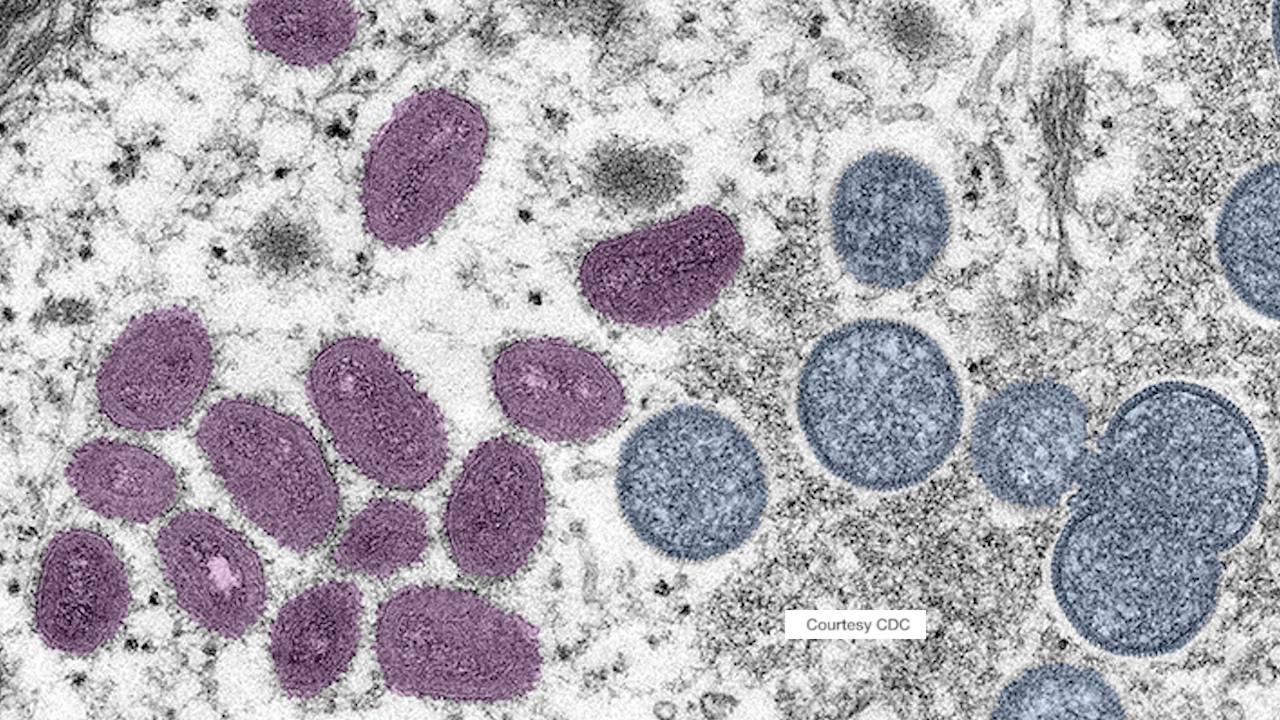
“South Africa’s Free State province has confirmed its first case of mpox in Sasolburg, bringing the country’s cumulative number of confirmed cases to 23, according to reports published on 16 October 2026. Health officials say the patient is clinically stable and isolating at home, while contact tracing and testing continue and residents are urged to recognise symptoms and follow infection-prevention advice.”
Free State’s First Mpox Case Highlights the Importance of Disease Surveillance in South Africa
South Africa’s response to mpox has entered a new phase following confirmation of the first case in the Free State province. The infection, identified in Sasolburg, brings the country’s reported cumulative total to 23 confirmed cases and highlights the importance of early diagnosis, effective contact tracing and public awareness in controlling infectious diseases.
The provincial Department of Health confirmed that the patient was clinically stable, isolating at home and receiving appropriate medical care. Health officials are also following up with a small number of close contacts, with assessments and testing underway to determine whether additional infections have occurred.
According to reports published by SABC News and Channel Africa on 16 October 2026, authorities consider the immediate risk of widespread community transmission to be low. Nevertheless, the identification of a first case in a new province requires vigilance, cooperation from residents and continued monitoring by public health professionals.
Mpox Cases Expand Beyond Previously Affected Provinces
Mpox is an infectious disease caused by the monkeypox virus, which belongs to the Orthopoxvirus genus. It can cause fever, swollen lymph nodes, fatigue, muscle aches and a characteristic rash that may develop into lesions or blisters.
The Free State case changes the geographical picture of South Africa’s reported outbreak. According to the latest reports, the Western Cape remains the most affected province, with 18 confirmed cases. Gauteng has recorded three, while KwaZulu-Natal and the Free State have one confirmed case each. Together, these provincial figures account for the national total of 23 reported cases.
The appearance of an infection in Sasolburg does not automatically mean that the disease is spreading uncontrollably. Instead, it demonstrates why health authorities must monitor cases across different communities rather than concentrating their efforts exclusively on areas that have previously reported infections.
Disease surveillance helps authorities identify new infections, establish possible transmission links and determine whether additional interventions are necessary. When a case is detected, health teams can assess the patient’s recent contacts, provide guidance and arrange testing for people who may have been exposed.
However, the national case total is only a snapshot of the situation at the time of reporting. Further investigations and subsequent surveillance updates will be needed to establish whether the Free State case remains isolated or is connected to additional infections.
Understanding Mpox and Its Symptoms
Mpox is transmitted primarily through close physical contact with an infected person or contaminated materials. Transmission can occur through direct contact with skin lesions, bodily fluids, contaminated clothing, bedding and other objects. Close contact during sexual activity can also facilitate transmission.
People should understand that mpox is not exclusively a sexually transmitted infection. Although intimate contact can spread the virus, transmission is possible in other circumstances involving close physical contact with an infected individual.
Symptoms can vary between individuals. Some people initially experience fever, headache, muscle aches, fatigue or swollen lymph nodes. A rash may appear on the face, hands, feet, genital area or other parts of the body. Lesions can progress through several stages before healing.
The timing and order of symptoms may differ. Consequently, residents should not assume that someone has mpox solely because they have a rash, nor should they dismiss the possibility of infection because they do not experience every commonly reported symptom.
Other conditions can produce similar symptoms, including certain viral infections, skin disorders and sexually transmitted infections. A qualified healthcare professional can assess the symptoms, determine whether testing is appropriate and recommend suitable care.
Anyone who develops an unexplained rash accompanied by possible mpox symptoms should seek medical advice promptly. People should telephone a healthcare facility before arriving where possible, allowing staff to provide appropriate instructions and reduce unnecessary exposure to others.
Contact Tracing Becomes a Priority
Following the confirmation of the Sasolburg infection, health officials began following up with a small group of close contacts. This is a standard public health measure designed to identify people who may have been exposed and provide them with timely advice.
Contact tracing involves identifying people who had relevant contact with an infected individual during the potentially infectious period. Health workers can then assess their exposure, explain symptoms to monitor and determine whether testing or other measures are necessary.
Close contacts should cooperate with health authorities and provide accurate information about potential exposure. They should also follow the instructions given by medical professionals rather than relying on rumours, online speculation or unverified treatment recommendations.
The SABC News report advises that close contacts without symptoms should be monitored for 21 days.
People receiving such guidance should follow the specific instructions of their local health teams, including what to do if symptoms develop during monitoring.
Contact tracing also helps authorities understand how an infection may have occurred. Nevertheless, the identification of a new case does not, by itself, establish the precise source of infection or prove that transmission has occurred in a particular public setting.
Protecting patient confidentiality is equally important. Public communication should focus on verified health information and practical prevention measures rather than identifying individuals or spreading unsubstantiated claims about how they became infected.
Practical Steps to Reduce Transmission
Public awareness remains essential to controlling mpox. Residents can reduce the risk of transmission by avoiding direct contact with suspected or confirmed lesions, not sharing personal items that may be contaminated and practising good hand hygiene.
People should avoid sharing clothing, towels and bedding with someone who may have mpox. Frequently touched surfaces and contaminated materials should be handled and cleaned according to appropriate public health guidance.
Individuals with suspected or confirmed infection should follow medical advice about isolation, covering lesions where appropriate and avoiding close physical contact while potentially infectious. Household members should receive clear instructions on cleaning, laundry, waste handling and reducing exposure.
Handwashing with soap and water or using an appropriate alcohol-based hand sanitiser can help reduce the spread of infectious material. However, hygiene measures should complement, rather than replace, advice about close contact and isolation.
Residents should also avoid discriminating against people who are suspected of having mpox. Stigma can discourage individuals from seeking medical attention or sharing information with contact tracers, potentially making outbreak control more difficult.
Accurate communication is therefore a public health intervention in its own right. Information should be accessible, evidence-based and communicated in languages and formats that local communities understand.
What the Case Means for Healthcare Services
The Free State’s first reported case highlights the importance of readiness throughout South Africa’s healthcare system. Clinics and hospitals need to recognise possible symptoms, understand referral procedures and know how to arrange appropriate testing.
Healthcare workers should use recommended infection-prevention measures when assessing patients with suspected mpox. Clear communication between local facilities, provincial health departments and national surveillance teams can help ensure that relevant information reaches the appropriate authorities promptly.
Laboratory testing is important because symptoms alone cannot always distinguish mpox from other diseases. Timely testing can support clinical decisions, contact tracing and decisions about whether additional public health measures are needed.
Healthcare facilities should also provide patients with understandable information about symptom management, isolation and warning signs that require urgent medical attention. Patients whose condition changes should receive prompt reassessment.
At the same time, health authorities must avoid drawing conclusions that exceed the available evidence. A single confirmed case in a new province warrants attention, but it does not establish that hospitals are overwhelmed or that extensive community transmission is taking place.
Continued surveillance will help determine whether the case requires a broader response. Future updates should clarify any newly confirmed infections, the progress of contact investigations and any changes in the geographical distribution of cases.
Public Concern and the Importance of Reliable Information
The confirmation of a first case can generate anxiety, particularly among residents unfamiliar with the disease. However, health decisions should be guided by verified information rather than fear.
The current reports indicate that the patient is stable and receiving care, while authorities consider the risk of widespread community transmission low. These details are important, although they do not eliminate the need for continued precautions.
Residents should seek updates from the South African Department of Health, provincial health authorities and the National Institute for Communicable Diseases. Official announcements can provide information about case numbers, symptoms, testing arrangements and recommended preventive measures.
Social media users should avoid circulating unverified claims about alleged outbreaks, transmission routes or supposed cures. Sharing inaccurate information can cause unnecessary panic and undermine efforts to identify and manage infections.
People who are concerned about possible exposure should consult qualified healthcare professionals. They should not attempt to diagnose themselves or take unproven medication based on advice from online discussions.
Public health communication must also reach people who face barriers to healthcare, including those who cannot easily travel to clinics or access reliable internet information. Community health workers and local organisations can help communicate prevention guidance and encourage timely assessment.
Looking Ahead: Monitoring the Outbreak
The immediate priority following the Free State case is to understand whether additional infections are present and ensure that anyone affected receives appropriate care. Contact tracing, testing and surveillance will provide evidence to guide subsequent decisions.
The reported national total of 23 cases indicates that the outbreak remains relatively limited in the available figures, but case numbers alone cannot fully describe the public health situation. Authorities must also consider where infections occur, whether transmission chains are being identified and how quickly suspected cases are assessed.
The Free State’s experience reinforces the need for coordinated disease monitoring across provincial boundaries. Health departments must be able to share relevant information, support laboratory investigations and provide consistent guidance to healthcare facilities and communities.
For residents, the central message is straightforward: understand the symptoms, avoid potentially infectious contact, seek medical advice when necessary and follow instructions from public health professionals.
The first confirmed mpox case in Sasolburg is an important development in South Africa’s disease surveillance efforts. It is a reason for attention and preparedness, not a basis for panic.
As investigations continue, reliable updates will be essential to understanding whether the infection remains isolated and whether further action is required. Until more information becomes available, public cooperation, accurate reporting and prompt healthcare assessment remain the most practical tools for limiting transmission and protecting communities.



