




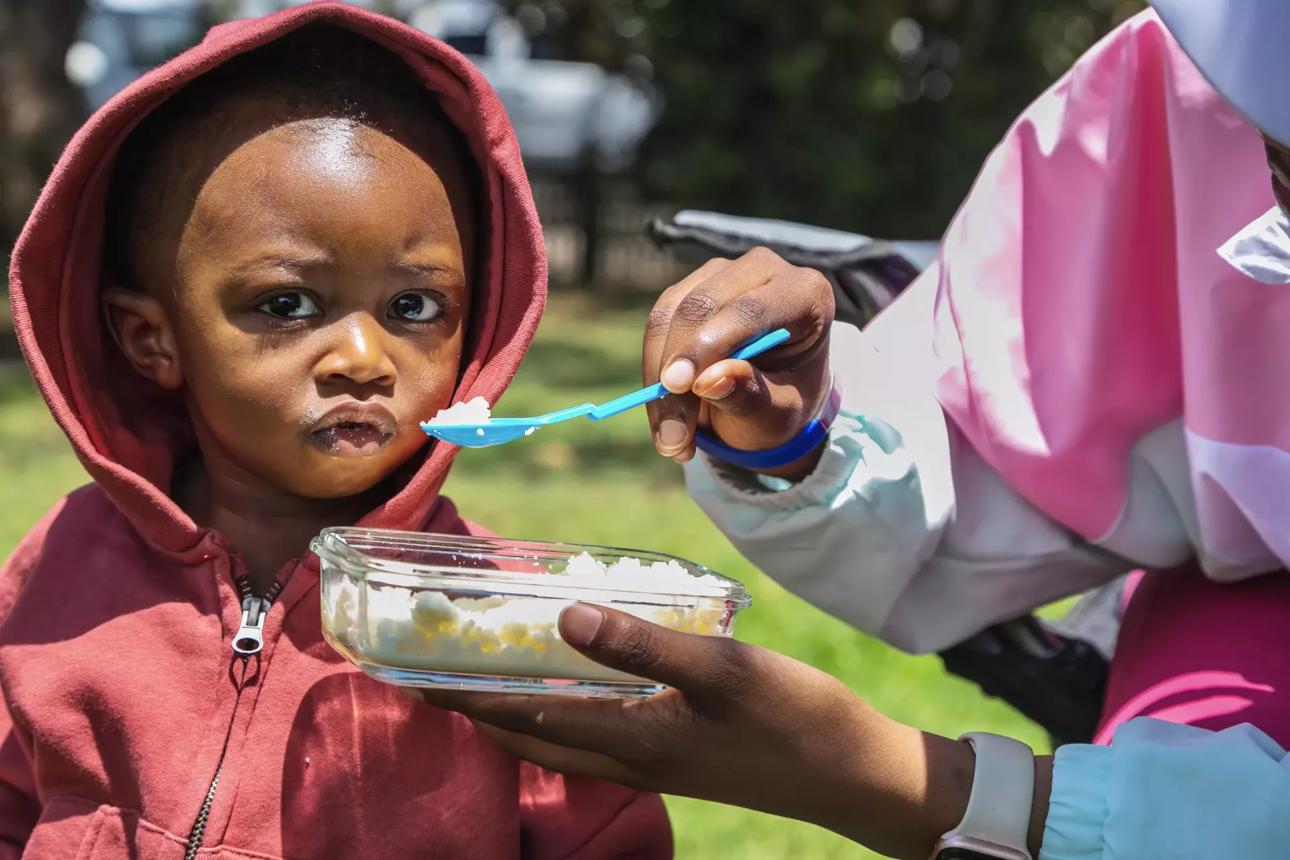
“South Africa’s National Treasury has allocated R1.6 billion over three years to combat child stunting and malnutrition, with a particular focus on pregnant women and children during the first 1,000 days of life. The funding creates an opportunity to strengthen maternal nutrition and early childhood health, although its impact will depend on effective provincial implementation, adequate nutritional support and transparent monitoring of results.”
South Africa’s R1.6-billion nutrition investment puts the spotlight on child health, food security and government accountability
South Africa’s decision to allocate R1.6 billion over the next three years to address childhood stunting and malnutrition marks an important development in the country’s response to persistent nutrition challenges. Announced by Finance Minister Enoch Godongwana during the Medium-Term Budget Policy Statement on 21 October 2026, the funding is intended to support interventions for pregnant women and young children, particularly during the first 1,000 days of life. The announcement places nutrition more firmly on the national policy agenda and raises questions about how effectively the money will reach vulnerable families.
The allocation comes at a time when child nutrition remains a serious public health and social development concern. Although South Africa has an established social protection system and programmes intended to improve access to food, many households continue to experience financial pressure that makes a balanced diet difficult to afford. For children, inadequate nutrition can affect physical growth, brain development, resistance to illness and readiness to learn. The new funding therefore represents more than a health intervention: it is also an investment in education, economic opportunity and the country’s long-term development.
Understanding the importance of the first 1,000 days
The first 1,000 days, generally counted from conception until a child’s second birthday, represent a particularly important period for growth and development. During pregnancy, a developing baby depends on the mother’s nutritional intake and health. After birth, infants need appropriate feeding, sufficient energy and essential nutrients to support the development of their bodies and brains.
When nutritional needs are not met during this period, children may experience impaired growth and developmental difficulties. Stunting, commonly identified when a child’s height is too low for their age, can indicate prolonged nutritional deprivation or other underlying health and social problems. It is not simply a matter of children being shorter than their peers; it can reflect persistent difficulties that require attention from families, healthcare professionals and public institutions.
BusinessTech’s reporting on the budget allocation cites Children’s Institute data indicating that approximately 27% of South African children under five are stunted. The report also describes widespread child food poverty and micronutrient deficiencies, illustrating the scale of the challenge confronting policymakers.
Early intervention matters because preventing nutritional deficiencies is generally preferable to attempting to address their consequences after they have developed. Adequate maternal nutrition, access to antenatal care, breastfeeding support, appropriate complementary feeding and timely identification of growth problems can all contribute to healthier outcomes.
Consequently, directing funding towards pregnancy and early childhood is a significant policy choice. It recognises that action must begin before a child’s nutritional difficulties become severe and that effective prevention requires coordinated support throughout the earliest stages of life.
Why child malnutrition remains a national concern
Child malnutrition is closely connected to household income, food prices, access to healthcare, sanitation and the availability of nutritious food. Even when families can obtain enough food to prevent immediate hunger, their diets may lack sufficient variety to meet nutritional requirements.
Households under financial pressure may rely heavily on inexpensive staple foods while consuming fewer vegetables, fruit, legumes, eggs, dairy products and other sources of essential nutrients. Such choices are not necessarily the result of a lack of knowledge about healthy eating. In many cases, families are making difficult decisions about how to stretch limited money across several meals and household needs.
BusinessTech reports that nearly 40% of South African children live below the food poverty line, while three million children live in households where child hunger is reported. The same report cites figures indicating that approximately 61% of children under five experience anaemia associated with deficiencies in important micronutrients. These figures underline the need to distinguish between having enough food to eat and receiving the nutrients required for healthy development.
The consequences can extend beyond childhood. Poor nutrition during early development may affect school participation, concentration and the ability to benefit from education. Over the longer term, nutritional disadvantage can contribute to unequal opportunities, reinforcing cycles of poverty across generations.
South Africa’s nutrition challenge also includes overweight, obesity and diet-related diseases. These conditions can coexist with undernutrition, sometimes within the same household. A child may consume sufficient calories but still lack essential vitamins and minerals, while other household members may face increasing risks associated with diets high in sugar, sodium and unhealthy fats.
This combination makes it important for government programmes to focus on nutritional quality as well as food quantity. Providing more food is essential where hunger is severe, but lasting improvements also require access to diverse, safe and affordable meals.
How the R1.6-billion allocation is expected to work
According to GroundUp, National Treasury confirmed that the allocation will be channelled to provincial health departments through the District Health Programmes Grant. This provides an established route for directing public funding towards health-related interventions, although the eventual results will depend on the specific programmes implemented and how effectively they operate.
Provincial health departments are important because they are responsible for delivering many services that directly affect maternal and child health. These include antenatal services, growth monitoring, nutrition counselling, infant-feeding support and the identification of children who require additional assistance.
The funding could help strengthen these services, but the allocation announcement alone does not establish exactly how much each province will receive, which individual interventions will be prioritised or how many beneficiaries will be reached. Those details need to be made clear through implementation plans and public reporting.
Effective spending should connect funding to measurable improvements. Relevant indicators could include access to maternal nutrition services, the availability of essential nutrition support at clinics, the early identification of growth faltering, continuity of care and improvements in child growth outcomes over time.
The government should also explain how provincial spending will be coordinated with existing social grants, community health services, early childhood development initiatives and school feeding programmes. Children do not experience nutritional needs through separate administrative departments. Their health depends on the combined effects of household resources, food availability, healthcare and supportive environments.
Coordination is therefore essential to ensure that new funding strengthens existing services rather than duplicating programmes or creating disconnected initiatives.
Maternal nutrition must be part of the response
Pregnant women require appropriate nutrition to support their own health and the development of their babies. However, nutritional advice cannot be separated from the economic circumstances in which women live.
A woman may understand the importance of eating a varied diet but still be unable to afford enough protein-rich foods, fresh produce or other nutritious ingredients. In households facing food insecurity, pregnancy can intensify existing difficulties, particularly when the available budget must cover rent, transport, utilities and the needs of other children.
Strengthening maternal nutrition requires accessible antenatal care, reliable nutrition counselling and the identification of women who may need additional support. Healthcare workers also need adequate resources and clear referral pathways so that nutritional concerns identified during pregnancy receive appropriate attention.
Support should continue after delivery. Breastfeeding assistance, guidance on introducing complementary foods at the appropriate age and routine monitoring of infant growth can help caregivers make informed decisions. Families should receive practical information that reflects local food availability, cultural preferences and their financial circumstances.
The policy challenge is to ensure that nutrition services do not merely advise families to eat better without addressing the barriers preventing them from doing so. Advice is most useful when households can realistically act on it.
Food security and affordability remain central
The R1.6-billion announcement also highlights the relationship between nutrition and food security. A household may have access to shops and markets but still struggle to purchase sufficient nutritious food because prices exceed its available income.
Government support can improve access to healthcare, but clinical services cannot resolve every underlying cause of malnutrition. Food prices, unemployment, inadequate household income and uneven access to essential services also influence what children eat.
South Africa’s existing social protection programmes are therefore relevant to the wider response. Child support grants and other forms of assistance can help households meet basic needs, although the practical value of that support depends on the cost of food and other essential expenses.
Community-level initiatives may also contribute. Early childhood development centres, community organisations and local health workers can help identify children who are not receiving adequate nutrition and connect families with appropriate services.
These initiatives need dependable resources, sound nutritional guidance and clear accountability. They should complement rather than replace the government’s responsibility to establish and fund effective public programmes.
The broader objective should be to make nutritious food more accessible while ensuring that vulnerable children receive timely healthcare and nutritional support.
The role of early childhood development centres
Early childhood development (ECD) centres are another important part of South Africa’s child nutrition landscape. For many young children, the meals provided while they attend these centres contribute substantially to their daily food intake. However, centres serving low-income communities may struggle to provide diverse, nutritionally adequate meals when food prices rise and available subsidies are insufficient.
A recent initiative, the Early Childhood Development Nationally Costed Nutrition Basket, seeks to translate nutrition guidance into practical menus and measurable food costs. A September 2026 pilot estimated ingredient costs averaging R11.92 per child per day for an illustrative centre serving children of different ages. The estimate excludes labour, cooking fuel, water and other operating expenses, demonstrating the financial pressures involved in delivering meals.
Although this initiative is separate from the newly announced R1.6-billion allocation, it illustrates how nutrition policy can be translated into practical budgeting. Transparent food-cost estimates can help government departments assess whether funding is sufficient and identify where additional support may be necessary.
Accountability will determine the investment’s success
The central question is whether the announced funding will produce measurable improvements in children’s lives. An allocation is an important starting point, but it is not the same as money reaching clinics, pregnant women or children who need assistance.
National Treasury and provincial health departments should publish clear implementation plans, spending information and performance indicators. Reporting should distinguish between funds allocated, funds spent, services delivered and actual nutritional outcomes.
Independent monitoring can help identify delays, uneven provincial performance and gaps in service delivery. It can also provide evidence for adjusting programmes when an intervention fails to reach its intended beneficiaries.
South Africa’s previous experience with food and nutrition policy offers a caution. A Daily Maverick investigation published on 9 October 2026 reported that the National Food and Nutrition Security Plan for 2018–2023 fell short of its objectives, citing funding constraints, coordination difficulties and weaknesses in monitoring. The government’s new investment therefore needs to be accompanied by stronger implementation arrangements and clear responsibility for results.
Conclusion: turning public funding into healthier futures
South Africa’s R1.6-billion allocation signals renewed attention to the prevention of childhood stunting and malnutrition. By focusing on pregnancy and the first 1,000 days, the government is directing resources towards a period when nutritional support can have lasting benefits for children’s development and wellbeing.
Nevertheless, the investment’s success will depend on practical delivery. Maternal healthcare, nutrition counselling, affordable nutritious food, community support and effective provincial administration must work together to address the causes of malnutrition.
Government should provide transparent reporting on expenditure, programme coverage and measurable outcomes. Civil society organisations, healthcare professionals and communities can contribute by monitoring implementation and helping identify where services fall short.
Ultimately, the measure of success will not be the amount announced in the budget. It will be whether fewer children experience preventable nutritional deprivation, whether pregnant women receive appropriate support and whether families can access the food and services their children need to grow and develop.
For South Africa, the allocation is an opportunity to turn a major public health commitment into lasting progress. Delivering on that promise will require sustained political attention, accountable spending and a recognition that every child’s nutritional wellbeing is fundamental to the country’s future.



