




“The City of Tshwane is investigating between 140 and 160 reported cases of diarrhoea and other gastrointestinal illnesses in Bronkhorstspruit and surrounding areas, recorded between 7 and 12 October 2026, with contaminated water among the possible causes under investigation. Authorities have intensified water-quality testing and advised residents to use safe alternative water supplies while patient test results remain pending; no deaths had been reported in the latest update.”
Tshwane Investigates Stomach Illnesses as Bronkhorstspruit Water Safety Comes Under Scrutiny
BRONKHORSTSPRUIT, South Africa — 16 October 2026. Health authorities in the City of Tshwane are investigating a cluster of diarrhoea and other stomach-related illnesses affecting residents of Bronkhorstspruit and surrounding communities. Between 140 and 160 cases were reported over six days, from 7 to 12 October, prompting concerns about drinking-water safety and the capacity of local infrastructure to protect public health.
Most affected patients received treatment at Bronkhorstspruit Hospital, while others were treated at Mamelodi Hospital, Steve Biko Academic Hospital and Wilgers Hospital. No deaths had been reported in the latest published updates. Although contaminated water is one possible explanation, authorities have stressed that the cause has not yet been established.
The investigation comes amid reported operational difficulties at the local water-treatment plant. Officials are conducting additional tests across the treatment facility and distribution network while awaiting blood and stool test results from patients.
Authorities investigate a possible waterborne illness cluster
The concentration of gastrointestinal cases within a relatively short period has raised important public-health questions. When numerous people in the same geographical area develop similar symptoms, investigators must determine whether they share an environmental exposure, an infectious source or another common risk.
Diarrhoea and stomach complaints can arise from several causes, including viral infections, bacterial infections, contaminated food and unsafe drinking water. Establishing the precise cause requires laboratory evidence, epidemiological investigation and comparisons between patients’ symptoms, locations and possible exposures.
Tshwane’s health authorities have therefore intensified water testing while working with district health services and provincial and national health departments. The multidisciplinary investigation is intended to establish whether the illnesses are connected to the municipal water supply or another source.
Until test results provide clearer answers, it would be premature to identify a particular pathogen or declare the incident a confirmed waterborne outbreak.
The distinction matters because different causes require different interventions. If contaminated water is implicated, authorities may need to address treatment failures, distribution infrastructure or contamination points. If investigators identify a foodborne source or an infectious disease spreading between people, the appropriate response could be different.
Water-treatment challenges increase public concern
The investigation has drawn attention to the condition of Bronkhorstspruit’s water-treatment infrastructure. The City of Tshwane has reported operational problems affecting the plant, including equipment failures and interruptions to production. In an earlier municipal update, the city described difficulties involving raw-water pumping equipment and electricity supply.
Such challenges can complicate the provision of reliable drinking water, particularly when treatment facilities must operate under constrained conditions.
Water-treatment plants are designed to remove suspended material and reduce microbiological risks through treatment processes that can include filtration and disinfection. When equipment fails or the quality of incoming water deteriorates, operators must determine whether the treatment process can consistently meet the required standards.
Nevertheless, operational problems alone do not prove that drinking water caused the illnesses now under investigation. Authorities need representative water samples, laboratory results and epidemiological evidence before drawing that conclusion.
The city’s investigation should therefore examine water quality at multiple points, including the treatment plant, reservoirs and distribution network. Testing only one location might fail to identify a localised problem or establish whether water quality changes between treatment and delivery to households.
Residents urged to use safer alternative water supplies
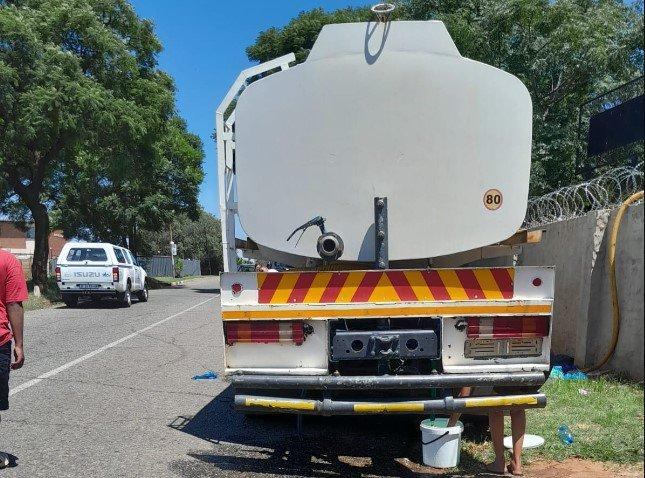
As investigations continue, municipal officials have encouraged residents to obtain water from safe alternative sources, including city-operated water tankers.
According to the city’s account reported by TimesLIVE, tankers serving Region 7 obtain water from Cullinan, outside the affected supply area. Municipal officials also said the tankers are disinfected daily and that drivers have received training in safe water handling.
Residents should follow current instructions from local authorities about which supplies are suitable for drinking, cooking and preparing food. Water that looks clear is not necessarily safe, because disease-causing microorganisms may be present without changing its appearance, smell or taste.
Where authorities have warned against using a particular supply for consumption, households should follow that warning until officials confirm that the water is safe.
Safe storage is also important. Drinking water should be kept in clean, covered containers, preferably ones designed for food or drinking water. Containers should not be dipped into with unwashed hands or used for other household chemicals.
Families collecting water from tankers should keep containers clean and avoid allowing the collection process to introduce contamination. These measures cannot replace proper municipal treatment, but they can reduce risks while residents follow official advice.
Recognising symptoms and seeking medical attention
Gastrointestinal illnesses can cause diarrhoea, abdominal cramps, nausea, vomiting and fever. The severity varies depending on the cause, the person’s age and their general health.
One of the most serious complications of persistent diarrhoea and vomiting is dehydration, which occurs when the body loses more water and electrolytes than it replaces. Children, older adults and people with underlying medical conditions may be particularly vulnerable.
Warning signs can include unusual weakness, dizziness, reduced urination, a very dry mouth, inability to keep fluids down or increasing drowsiness. Anyone experiencing severe symptoms or signs of dehydration should seek urgent medical assessment.
People with diarrhoea should take fluids regularly. Oral rehydration solution, prepared according to its instructions, can help replace lost water and salts. However, people who are seriously ill should not delay professional care while attempting home treatment.
Residents should avoid taking antibiotics without medical advice. Antibiotics are not effective against every cause of diarrhoea, and inappropriate use can cause harm or contribute to antimicrobial resistance.
Healthcare workers need accurate information about the onset of symptoms, recent food and water exposures, other household members who are sick and any relevant travel. Such details may help investigators identify patterns and narrow the range of possible causes.
Why laboratory testing is central to the response
The pending blood and stool test results are an important part of determining what has made residents ill.
Stool testing can help identify certain intestinal pathogens, while blood tests may assist clinicians in assessing complications or investigating particular infections. The appropriate tests depend on the symptoms, clinical findings and suspected causes.
Environmental sampling must be interpreted alongside patient results. Detecting an organism in a water sample, for example, does not automatically establish that it caused every reported illness. Investigators must consider timing, exposure pathways, laboratory methods and whether the findings match the clinical evidence.
Similarly, negative results from a limited number of samples cannot always rule out a contamination event. Sampling methods, locations and timing affect what can be detected.
Clear communication is consequently essential. Authorities should explain what has been tested, what remains unknown and when further information is expected, without overstating preliminary findings.
Residents also need practical guidance while they wait for results. Public-health communication should identify safe water sources, explain where to report symptoms and provide clear instructions for households, schools, food businesses and healthcare facilities.
Infrastructure and the wider public-health challenge
The situation highlights the relationship between municipal infrastructure and disease prevention. Reliable drinking-water services are not merely an engineering requirement; they are fundamental to community health.
Treatment facilities require regular maintenance, functioning pumps, dependable electricity, adequate filtration and disinfection systems, trained staff and effective monitoring. Distribution networks and reservoirs must also be maintained to reduce the risk of contamination after treatment.
Tshwane has said that its improvement plans include refurbishing filtration systems, strengthening pumping infrastructure, cleaning and disinfecting reservoirs, and increasing water-quality monitoring. The city has also described plans to modernise the Bronkhorstspruit plant and restore its full design capacity of 54 million litres daily.
These measures could strengthen service reliability, but their public-health value depends on implementation, sustained maintenance and independently verifiable water-quality outcomes.
Municipalities also need to communicate service interruptions promptly. Residents are better able to protect themselves when they know which areas are affected, where alternative water is available and whether a supply is suitable for drinking.
Where water infrastructure is unreliable, households may be forced to store water for longer periods or seek supplies from multiple sources. These circumstances can introduce additional risks if containers are dirty, water is transported unsafely or official information is inconsistent.
Public trust and transparent communication
An incident involving possible drinking-water contamination can quickly create anxiety, particularly among families with young children and people who depend on municipal supplies.
Authorities must balance urgency with accuracy. They should avoid dismissing community concerns, but they must also avoid presenting an unconfirmed source as an established fact.
Regular public updates should explain the investigation’s progress, any changes to water-use guidance, the availability of tanker supplies and the results of relevant testing once validated.
Health facilities can support the response by monitoring unusual patterns in gastrointestinal illness and reporting suspected clusters through established surveillance channels. Community organisations, schools and local healthcare workers can help circulate verified information to residents who may not regularly access municipal websites or social media.
Residents, in turn, should seek information from official municipal and health-service communications rather than relying solely on rumours or unverified online claims.
What happens next?
The immediate priorities are to establish the cause of the reported illnesses, protect residents from potentially unsafe water and ensure that patients receive appropriate care.
Investigators need to combine clinical findings, laboratory results, water sampling and exposure histories. If evidence establishes a link to the municipal supply, authorities should communicate the affected areas and implement corrective measures before advising residents that the water is safe for consumption.
If another source is identified, the response should be adjusted accordingly. Either way, the incident provides an opportunity to strengthen disease surveillance, water-quality monitoring and communication between municipal and health authorities.
For residents, the practical message is to follow current water-safety instructions, use approved alternative supplies where advised and seek medical attention for persistent diarrhoea, repeated vomiting or signs of dehydration.
The reported cases have not yet established a confirmed waterborne outbreak, and the final findings remain important. However, the investigation demonstrates why dependable water services, rapid laboratory testing and transparent public-health communication are essential to protecting communities.
As Tshwane continues its investigation, residents will need timely updates explaining what caused the illnesses, what measures are being taken and what evidence will determine when ordinary water use can safely resume.



