




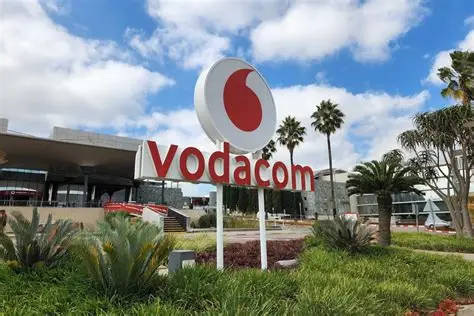
“Vodacom has completed its acquisition of an additional 20% stake in Safaricom, raising its ownership to 55% and securing majority control of the East African telecom and fintech leader. The R35 billion transaction strengthens Vodacom’s regional footprint and positions it to expand aggressively into digital and financial services across Africa.”
On July 2, 2026, Vodacom Group announced the completion of its long-anticipated acquisition of a majority stake in Safaricom, cementing its control over one of Africa’s most influential telecommunications and fintech companies. The deal, valued at approximately R35 billion ($2.1 billion), marks a turning point in South Africa’s corporate expansion strategy and signals a broader shift in Africa’s digital economy.
Transaction Details
- Stake Acquired: 20% additional effective stake.
- Final Ownership: Vodacom now holds 55% of Safaricom.
- Sources of Shares:
- 15% purchased from the Kenyan government.
- 5% acquired from Vodafone Group at KES34 per share.
- Kenyan Government Retains: 20% shareholding.
- Listing: Safaricom remains listed on the Nairobi Securities Exchange.
Strategic Significance
- Financial Consolidation: Safaricom will now be consolidated into Vodacom’s financial results under IFRS, rather than treated as an associate.
- Revenue Streams: Safaricom’s M-Pesa platform, which contributes 44% of revenue in Kenya, will become a core driver of Vodacom’s fintech portfolio.
- Expansion Markets: Safaricom has already established a 14 million customer base in Ethiopia, with further growth expected in cloud, enterprise, and IoT services.
Market Impact
- Telecom Sector: Vodacom’s move strengthens South Africa’s position as a hub for African telecom leadership.
- Fintech Growth: The acquisition accelerates Vodacom’s exposure to mobile money and digital financial services, a sector projected to grow at double-digit rates across Africa.
- Investor Confidence: Analysts expect Vodacom’s medium-term targets to be updated in its Q1 results on July 27, 2026, with positive sentiment around revenue diversification.
Vision 2030 Strategy
Vodacom CEO Shameel Joosub emphasized that the acquisition aligns with the company’s Vision 2030 strategy, which focuses on:
- Expanding into higher-growth African markets.
- Increasing exposure to digital services beyond connectivity.
- Strengthening fintech dominance through platforms like M-Pesa.
Broader Economic Context
South Africa’s markets have faced volatility in 2026, with the JSE All Share Index (SAALL) declining 3.77% over the past month despite being 13.56% higher year-on-year. Against this backdrop, Vodacom’s bold acquisition offers a stabilizing narrative of corporate growth and regional integration.
Risks and Challenges
- Regulatory Oversight: The deal required clearance from Kenya’s Court of Appeal, highlighting the complexity of cross-border acquisitions.
- Competition: MTN and Airtel remain strong competitors in African telecom and fintech markets.
- Integration Risks: Consolidating Safaricom’s operations into Vodacom’s financials may present operational challenges.
Conclusion
Vodacom’s majority acquisition of Safaricom is more than a corporate transaction—it is a strategic bet on Africa’s digital future. By consolidating control over M-Pesa and expanding into Ethiopia and beyond, Vodacom positions itself as a continental leader in telecom and fintech. For South Africa’s markets, this deal represents resilience and ambition amid broader volatility.



