




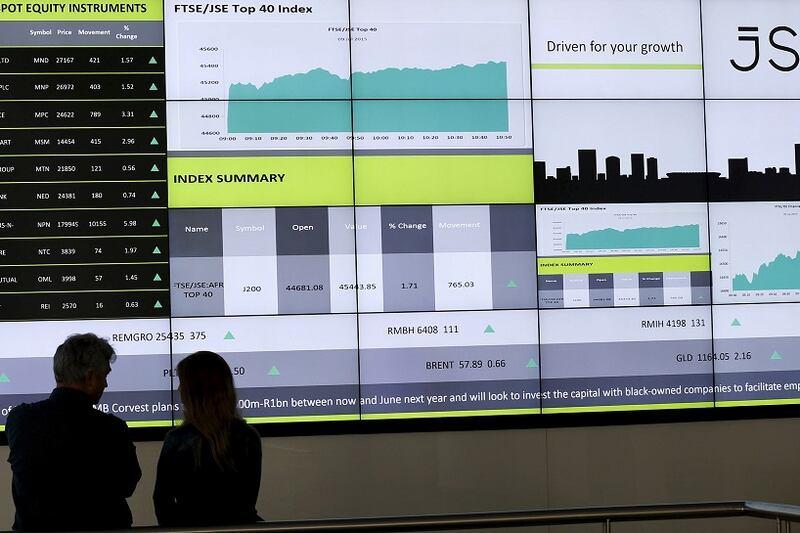
“South Africa’s upcoming municipal elections are attracting investor attention as financial markets assess whether the country’s governing coalition can maintain economic reforms, improve municipal administration and strengthen fiscal discipline. Although market indicators suggest limited immediate election-related concerns, changes in political support could influence investor expectations about governance, economic policy and the country’s longer-term investment environment.”
South Africa’s Municipal Elections Put Investor Confidence and Economic Reforms Under the Spotlight
South Africa’s municipal elections are emerging as an important financial and economic event as investors evaluate the country’s political direction, economic reform programme and prospects for stronger growth. With voters preparing to participate in nationwide local government elections on Wednesday, 4 November 2026, financial markets are increasingly focused on what the results could mean for governance, public finances, infrastructure investment and the business environment.
The elections arrive at a critical moment for South Africa. The country is attempting to strengthen economic growth, improve public infrastructure, attract investment and restore confidence in government institutions. Consequently, political developments at municipal level are receiving attention from investors who want to understand whether the country’s reform trajectory will remain sustainable.
Investors Assess Political Stability and Economic Direction
According to a Bloomberg report published by Daily Investor on 2 November, investors appear relatively calm about the immediate implications of the municipal elections. Market indicators suggest that financial participants are not anticipating an automatic disruption to investment conditions simply because voters are heading to the polls.
However, the electoral outcome could provide important information about the future direction of South African politics. Changes in support for major political parties may influence expectations concerning the governing coalition, economic policy implementation and the continuation of fiscal reforms.
For investors, political stability is important because financial decisions frequently depend on confidence in institutions, predictable policymaking and the ability of governments to implement long-term economic strategies.
A stable and credible policy environment can encourage companies to invest in production facilities, infrastructure, technology and employment opportunities. Conversely, uncertainty about policy implementation can encourage businesses to delay investment decisions or adopt more cautious financial strategies.
The municipal elections therefore represent more than a contest for local political leadership. They could also provide an indication of how voters evaluate the country’s economic management and the performance of public institutions.
Municipal Governance and the Investment Environment
Municipal governments play an important role in determining whether businesses can operate efficiently and whether communities have access to reliable infrastructure.
Electricity distribution, water supply, sanitation, roads, public transport and local planning directly influence business operating costs. When these services function effectively, companies can operate more efficiently, households experience improved living conditions and local economies become more attractive to investment.
However, municipalities experiencing financial difficulties, infrastructure deterioration or administrative weaknesses can create substantial economic challenges.
Businesses may face interruptions to production, higher operating expenses and additional expenditure on alternative infrastructure. In some locations, unreliable water supplies, electricity distribution problems and deteriorating roads can discourage new commercial developments.
The election results could influence expectations about whether municipalities will improve financial management, strengthen accountability and address infrastructure challenges.
For financial markets, municipal performance is relevant because local government weaknesses can affect economic growth, creditworthiness and the sustainability of public investment.
The Importance of South Africa’s Economic Reform Programme
South Africa’s broader economic reform programme remains a central consideration for investors.
The country has been pursuing reforms intended to improve electricity availability, strengthen transport and logistics, encourage private-sector participation and improve the efficiency of public institutions.
These initiatives are particularly important because infrastructure constraints have historically affected economic performance.
Railway inefficiencies, port congestion, electricity challenges and municipal service failures can increase costs for exporters, manufacturers, retailers and investors.
Improving these systems could help South Africa increase production, expand trade and strengthen employment creation.
Investors are therefore interested in whether political developments will support continued reform implementation.
The governing coalition’s ability to maintain cooperation and advance economic priorities could influence expectations about future investment opportunities.
A consistent reform programme may strengthen confidence in the country’s economic prospects, while political disagreements that delay implementation could weaken optimism.
Financial Markets and Investor Confidence
South African financial markets respond to a combination of domestic and international developments.
Political developments, economic growth expectations, interest rates, inflation, commodity prices and international investor sentiment all influence the rand, government bonds and equities listed on the Johannesburg Stock Exchange.
The municipal elections are one component of this broader financial environment.
Investors will be assessing whether the results reinforce confidence in economic management or introduce additional uncertainty.
Although elections do not automatically produce immediate market movements, changes in political expectations can influence the way investors evaluate financial risks.
Foreign investors may consider South Africa’s institutional stability, fiscal outlook and economic reform prospects when deciding whether to allocate capital to local markets.
Domestic investors, meanwhile, may evaluate the implications of municipal governance for infrastructure projects, property investments, commercial activity and financial institutions.
The relationship between politics and markets is therefore indirect but significant.
Municipal Finances and Public Infrastructure
One of the most important financial issues facing South African municipalities is the management of revenue and expenditure.
Municipalities rely on revenue from rates, service charges, electricity distribution, water services and other local sources.
When collection systems are inefficient or expenditure exceeds available resources, financial pressures can intensify.
These difficulties may affect municipalities’ ability to maintain infrastructure, settle obligations and finance new developments.
Weak municipal finances can also create risks for businesses that depend on local government services.
Improving revenue collection, expenditure management and financial reporting could help municipalities strengthen their financial positions.
Investors generally prefer environments where public institutions demonstrate transparent financial management and predictable administration.
The municipal elections could therefore influence expectations about whether local governments will prioritise financial sustainability and infrastructure maintenance.
The Role of Infrastructure Investment
Infrastructure investment remains essential to South Africa’s long-term economic prospects.
Road networks, electricity distribution, water infrastructure and transport systems support businesses across manufacturing, mining, agriculture, retail and services.
When infrastructure deteriorates, economic activity can become more expensive and less efficient.
Businesses may need to invest in backup systems, alternative transport arrangements or additional operating capacity to compensate for unreliable public services.
These additional expenses can reduce profitability and weaken investment incentives.
Municipal governments influence infrastructure development through planning, maintenance, service delivery and coordination with national and provincial authorities.
Consequently, investors may view the elections as an opportunity to assess whether local leadership changes could improve infrastructure management.
Successful municipal administration could help create stronger conditions for commercial investment and employment growth.
Employment, Business Activity and Economic Growth
South Africa continues to face substantial employment and economic development challenges.
Municipalities influence local economic activity through infrastructure provision, business licensing, planning approvals and investment facilitation.
Well-managed municipalities can encourage entrepreneurship, support small businesses and improve conditions for commercial development.
Small and medium-sized enterprises are particularly sensitive to local operating conditions because they often have limited financial resources to absorb infrastructure disruptions or administrative delays.
Improved municipal services could help businesses expand operations, recruit employees and invest in new equipment.
The elections therefore have potential economic implications beyond political representation.
Local government performance can influence whether communities experience stronger business activity, improved employment opportunities and increased household incomes.
What Investors Will Watch After the Elections
Following the elections, investors are likely to focus on several important developments.
First, they will assess whether political outcomes support stable governance and continued economic reforms.
Second, they will examine the ability of municipal administrations to improve service delivery and financial management.
Third, investors will consider whether infrastructure improvements can reduce operating costs and support economic activity.
Finally, they will monitor whether local political developments influence broader confidence in South Africa’s economic policy framework.
These considerations will remain relevant even after the immediate electoral process concludes.
Financial markets generally evaluate political developments through their implications for economic fundamentals rather than treating elections as isolated events.
South Africa’s Longer-Term Financial Outlook
South Africa’s investment outlook will ultimately depend on its ability to translate political commitments into measurable economic improvements.
Stronger infrastructure, reliable public services, sustainable municipal finances and consistent reform implementation could improve the country’s competitiveness.
Such improvements would support business investment, trade, employment and economic growth.
However, persistent infrastructure failures, weak financial administration and uncertainty about economic policy could continue to constrain investment.
The municipal elections provide an opportunity for voters to influence local leadership while also offering investors additional information about the country’s political and economic direction.
Although the results alone cannot determine South Africa’s financial future, they may help shape expectations about the sustainability of reforms and the effectiveness of public institutions.
Conclusion
South Africa’s municipal elections are attracting attention from investors because local governance is closely connected to infrastructure, business conditions and economic development.
Financial markets appear relatively measured ahead of the vote, but changes in political support could influence expectations about the governing coalition and the continuation of economic reforms.
For investors, the central question is not simply which political parties perform best. It is whether the election produces stronger conditions for reliable public services, sustainable municipal finances, infrastructure investment and economic growth.
The country’s longer-term financial prospects will depend on whether political leadership can convert public expectations into practical improvements that strengthen confidence and create a more supportive environment for businesses and investment.



