




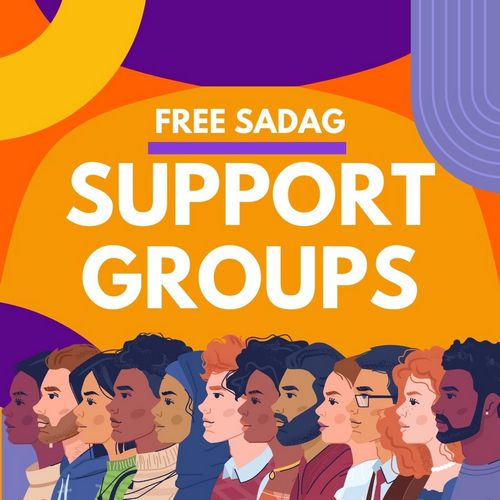
“South African youth are sharing personal stories of suicidal thoughts and recovery during Suicide Prevention Awareness Month, underscoring the urgent need for accessible mental health care. With SADAG reporting 23 suicides and 460 attempts daily, advocates stress that open dialogue and professional support can save lives.”
South Africa is grappling with a mental health crisis that has reached alarming proportions. Suicide has emerged as one of the most pressing public health challenges, particularly among young people. September, observed globally as Suicide Prevention Awareness Month, has provided a platform for South African youth to share their experiences, highlight systemic gaps, and call for urgent reforms in mental health care.
The Scale of the Crisis
According to SADAG, 23 South Africans die by suicide every day, while 460 attempt suicide daily. These figures are not just statistics—they represent families torn apart, communities destabilized, and futures cut short. Suicide is now among the leading causes of death for young people in the country, reflecting a broader global trend but with uniquely South African dimensions.
Youth Voices and Personal Accounts
Recent reports published by IOL and Ubuntu Times have amplified the voices of young South Africans who have lived through suicidal ideation and attempts. Their stories reveal the complex interplay of factors—relationship difficulties, identity struggles, trauma, and untreated mental health conditions—that contribute to crisis moments.
One young woman, Lydell Raju, described experiencing suicidal feelings from childhood and making multiple attempts before accessing consistent support. Her account underscores a critical issue: negative first encounters with mental health professionals can discourage future help-seeking. After an unsympathetic early experience, she avoided therapy for years, only returning when her situation became dire. Today, she views recovery as an ongoing process, supported by family, professional care, and personal resilience.
Barriers to Care
South Africa’s mental health system faces chronic underfunding and limited accessibility. Public facilities are overstretched, with long waiting times and inadequate staffing. Private care remains unaffordable for many, leaving vulnerable populations without timely intervention. Stigma also plays a powerful role—fear of judgment often prevents individuals from speaking openly about their struggles.
The Role of SADAG and Civil Society
SADAG has been at the forefront of suicide prevention efforts, running hotlines, awareness campaigns, and community outreach programs. During Suicide Prevention Awareness Month, the organization emphasized the importance of talking about emotional pain rather than suffering in silence. Their campaigns encourage families, schools, and workplaces to normalize conversations about mental health, reducing stigma and promoting early intervention.
Social Pressures and Identity Challenges
Young South Africans face unique pressures, including high unemployment, social inequality, and identity struggles in a rapidly changing society. Reports highlight how navigating sexual orientation, gender identity, and cultural expectations can exacerbate mental distress. Without supportive environments, these challenges can escalate into crises.
Recovery Stories and Hope
Despite the grim statistics, stories of recovery provide hope. Many young people describe finding strength in therapy, peer support, and community engagement. Recovery is framed not as a destination but as a continuous journey, requiring resilience, patience, and sustained support.
Policy Implications
Experts argue that suicide prevention must go beyond emergency response. Preventive strategies should include:
- Expanding access to affordable mental health services
- Integrating mental health education into schools
- Training professionals to provide empathetic, culturally sensitive care
- Strengthening community-based support systems
Conclusion
South Africa’s youth are sending a clear message: suicide is preventable, but only if society listens, responds, and invests in mental health. Their voices, amplified during Suicide Prevention Awareness Month, remind us that behind every statistic is a human story of pain, resilience, and hope.



