




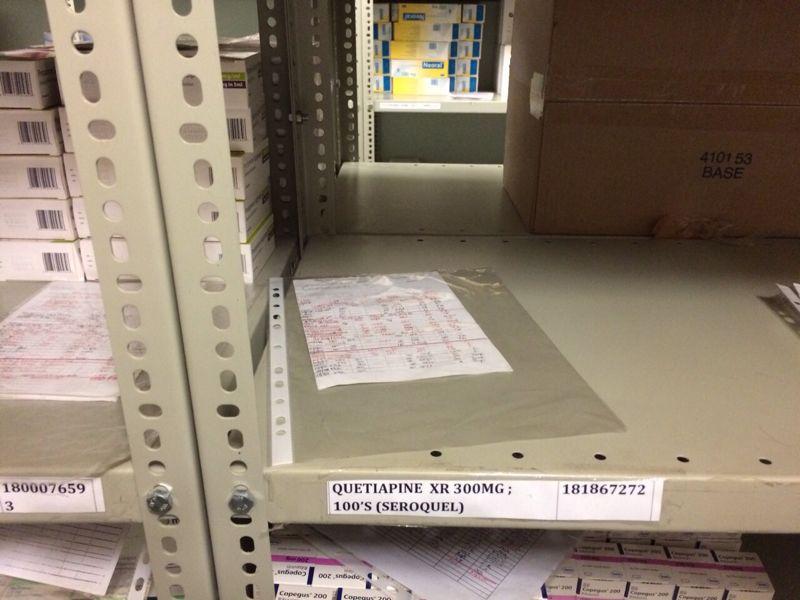
“South Africa’s public healthcare system is facing growing medicine supply pressures, with an October critical-shortage list identifying 165 products and doctors warning that interruptions to psychiatric treatment could trigger relapses, complications and hospital admissions. Pharmaceutical manufacturing disruptions, procurement difficulties, supplier payment delays and international supply-chain pressures are contributing to the crisis, prompting calls for urgent government intervention and more sustainable medicine procurement arrangements.”
South Africa’s Medicine Shortages Deepen as 165 Critical Medicines Face Supply Disruptions
South Africa’s public healthcare system is facing mounting pressure from medicine shortages, with 165 products appearing on the October critical-shortage list and healthcare professionals warning that disruptions are increasingly affecting patients with serious and chronic illnesses. The developing situation has raised concerns about treatment continuity, pharmaceutical procurement, manufacturing capacity and the ability of public hospitals and clinics to provide dependable medical care.
The shortages have become particularly concerning for patients requiring psychiatric medicines, cancer treatments, HIV medication and drugs used to manage non-communicable diseases. Medical professionals have warned that patients who depend on consistent treatment could experience serious complications when prescribed medicines become unavailable.
According to reporting published by The Insight Factor on Thursday, 12 November, the South African Society of Psychiatrists (Sasop) has renewed calls for Health Minister Aaron Motsoaledi to investigate medicine shortages affecting patients across several provinces.
Critical medicine shortages raise healthcare concerns
Figures reported this week indicate that South Africa’s October critical-shortage list contains 165 products. Meanwhile, the November national master products list contains 1,135 medicines available for provincial procurement, with more than one in seven reportedly facing supply risks.
The figures highlight the scale of the procurement challenge confronting public healthcare facilities. However, the different shortage measurements should not automatically be interpreted as identical: the critical-shortage hotlist and the wider master products list measure different aspects of medicine availability.
Business Day reported on 5 November that shortages were affecting multiple treatment categories, with some public hospitals and clinics having to consider alternatives or provide prescriptions that allow patients to purchase medicines privately.
For patients unable to afford private pharmaceutical costs, such disruptions can create additional barriers to healthcare access.
Psychiatric medicines among the most affected
Psychiatric medicine shortages have emerged as a particularly serious concern because many treatments require regular administration and careful clinical management.
Sasop has reported difficulties obtaining medicines including risperidone, olanzapine, aripiprazole, quetiapine, amisulpride, chlorpromazine, fluoxetine and amitriptyline. Lorazepam injections and orphenadrine have also been identified among products experiencing availability problems.
Patients receiving these medicines may be managing conditions such as schizophrenia, bipolar disorder, depression and other mental-health disorders.
Dr Mvuyiso Talatala, a former Sasop president, said psychiatrists had been reporting shortages since June. According to the society, complaints have originated from Gauteng, KwaZulu-Natal, the Western Cape and the Eastern Cape.
The concern is that patients may be unable to maintain established treatment schedules when medicines disappear from pharmacy shelves.
Psychiatric treatment frequently requires individualised prescribing. Medicines that appear similar in their therapeutic purpose may differ in effectiveness, tolerability and side-effect profiles for particular patients.
Consequently, switching medication because of supply constraints is not necessarily straightforward.
Sasop has warned that interruptions or inappropriate substitutions could increase the risk of relapse, complications and hospital admission.
The organisation has called for urgent intervention and an investigation into the causes of the shortages.
Government identifies manufacturing and procurement pressures
The National Department of Health has acknowledged significant disruption affecting medicine supplies.
Department spokesperson Foster Mohale has described the situation as unprecedented, identifying regulatory problems affecting certain local pharmaceutical manufacturing operations as one contributing factor.
According to the department, the South African Health Products Regulatory Authority (SAHPRA) closed certain manufacturing lines after manufacturers failed to comply with regulatory requirements.
Companies identified by the department as affected include Barrs, Adcock Ingram, Wrapsa, Sonke and Aspen Pharmacare.
Manufacturing interruptions can have consequences beyond individual facilities because pharmaceutical production and distribution depend on coordinated supply arrangements.
If a manufacturer supplying a particular medicine experiences production difficulties, alternative suppliers may not immediately have sufficient capacity to replace the missing quantities.
The department says it is pursuing alternative supplies through public procurement processes and special imports under Section 21 of the Medicines Act where appropriate.
Section 21 provides a regulatory mechanism for authorised access to certain medicines that are not ordinarily available through standard registration arrangements, subject to the applicable requirements.
The government has also indicated that it is working with pharmaceutical companies and provincial health authorities to address payment delays and improve continuity of supply.
International supply chains add further pressure
South Africa’s pharmaceutical sector is also exposed to international supply-chain difficulties.
Andy Gray, a pharmaceutical sciences lecturer at the University of KwaZulu-Natal, has identified several pressures contributing to shortages, including port congestion, geopolitical disruptions, supplier payment problems and pharmaceutical companies discontinuing older medicines.
The movement of medicines and pharmaceutical ingredients across international markets depends on reliable shipping, manufacturing capacity and commercial relationships.
Disruptions to shipping routes or production facilities can affect availability even when local healthcare demand remains stable.
The Pharmaceutical Task Group, representing pharmaceutical manufacturing associations, has also raised concerns about the sustainability of government procurement arrangements.
Its chair, Stavros Nicolaou, has argued that the current tender system creates difficulties for manufacturers attempting to maintain predictable production and supply.
South Africa’s public medicine procurement system relies substantially on contracts through which suppliers provide medicines to government healthcare facilities.
However, manufacturers must balance production capacity, demand forecasts, contractual obligations and operating costs.
When procurement volumes change significantly between tender cycles, suppliers may struggle to maintain sufficient capacity or may decide not to participate.
A limited number of successful bidders can also increase the vulnerability of supply arrangements when one manufacturer encounters production difficulties.
Patients face difficult treatment decisions
The consequences of medicine shortages are particularly significant for patients with chronic illnesses.
Many people receiving treatment for mental-health conditions, HIV, cancer, diabetes and cardiovascular diseases depend on reliable access to prescribed medication.
An interruption may result in worsening symptoms, reduced treatment effectiveness or additional healthcare requirements.
For patients with psychiatric conditions, medication changes can require clinical assessment, monitoring and follow-up appointments.
Patients should therefore not independently discontinue medication, reduce prescribed doses or substitute medicines without professional advice.
Healthcare practitioners may need to identify suitable alternatives when the original medicine cannot be obtained, but those decisions should consider the patient’s condition, treatment history and clinical requirements.
The Western Cape Department of Health and Wellness has advised patients to continue collecting their medication and to seek clarification from healthcare professionals when medicines appear different.
The province has also reported monitoring medicine stocks, redistributing available supplies between facilities and supporting temporary imports where necessary.
Public healthcare facilities and financial pressures
Medicine shortages also highlight the relationship between procurement, supplier payments and healthcare financing.
Business Day reported that some pharmaceutical suppliers had blocked accounts involving public-sector purchasers because of outstanding payments.
Such arrangements can affect the ability of facilities to obtain medicines even when products are technically available from manufacturers.
The Department of Health has indicated that it is supporting provinces in addressing payment delays.
At the same time, procurement authorities must manage medicine costs, supply reliability and the need to maintain adequate reserves.
Maintaining buffer stocks can help healthcare facilities withstand temporary disruptions.
However, holding additional stock requires appropriate storage facilities, financial resources and effective inventory management.
Medicines also have expiry dates and storage requirements, making stock management a specialised responsibility.
A sustainable approach therefore requires both adequate reserves and accurate demand forecasting.
Calls for stronger procurement arrangements
The Pharmaceutical Task Group has argued that reforms to government tender arrangements could improve medicine availability.
Its concerns include unpredictable procurement volumes, difficulties scaling manufacturing capacity and the possibility that suppliers may withdraw from contracts when commercial conditions become unsustainable.
Greater procurement flexibility could potentially help government diversify suppliers and reduce dependence on individual manufacturers.
However, procurement reforms would need to balance affordability, transparency, competition and pharmaceutical quality.
The government also faces the challenge of ensuring that medicines remain affordable to public healthcare facilities while manufacturers have sufficient incentives to maintain reliable production.
The shortages demonstrate that pharmaceutical procurement is not simply an administrative exercise. It is an essential component of healthcare delivery.
Parliamentary scrutiny and accountability
The crisis is also receiving attention from Parliament.
On 12 November, Parliament announced that its Portfolio Committee on Health would receive briefings from the National Health Laboratory Service and the Department of Health.
The department’s briefing was expected to address antiretroviral medicine tenders, a court judgment and medicine stockouts.
The parliamentary engagement provides an opportunity for lawmakers to examine procurement arrangements, supply interruptions and the measures being implemented to address medicine availability.
Effective oversight could help clarify the causes of shortages, identify administrative weaknesses and establish whether corrective measures are producing measurable improvements.
What patients should do during shortages
Healthcare authorities and medical professionals emphasise the importance of maintaining contact with healthcare facilities when prescribed medicines become unavailable.
Patients should:
- Continue attending scheduled healthcare appointments.
- Ask healthcare professionals about alternative medicines when necessary.
- Avoid independently changing prescribed doses.
- Seek clarification if a medicine supplied appears different.
- Inform healthcare workers about previous treatment and medication interruptions.
- Seek urgent medical attention if symptoms worsen significantly.
Patients who can afford private medicine may be offered prescriptions where clinically and administratively appropriate, although private purchasing remains financially inaccessible for many households.
Public healthcare facilities should communicate clearly about shortages, alternative treatments and expected availability whenever reliable information exists.
The way forward
South Africa’s medicine shortages present a complex challenge involving pharmaceutical manufacturing, international supply chains, procurement systems, supplier payments and healthcare administration.
The immediate priority is protecting patients whose treatment depends on uninterrupted access to essential medicines.
Government efforts to secure alternative supplies, improve payment arrangements and coordinate with manufacturers will be important in addressing immediate disruptions.
Longer-term improvements may require stronger procurement forecasting, diversified suppliers, sustainable tender arrangements and better monitoring of medicine availability across provinces.
The situation also reinforces the importance of pharmaceutical manufacturing capacity and regulatory compliance in protecting national medicine security.
As the government, healthcare professionals and pharmaceutical companies work to address the shortages, patients will need clear communication and practical support.
The central issue is not merely the number of medicines appearing on shortage lists. It is whether patients can obtain the treatments prescribed to them when they need them.
For South Africa’s public healthcare system, restoring reliable medicine availability remains essential to protecting treatment continuity, reducing avoidable complications and maintaining public confidence in healthcare services.



