




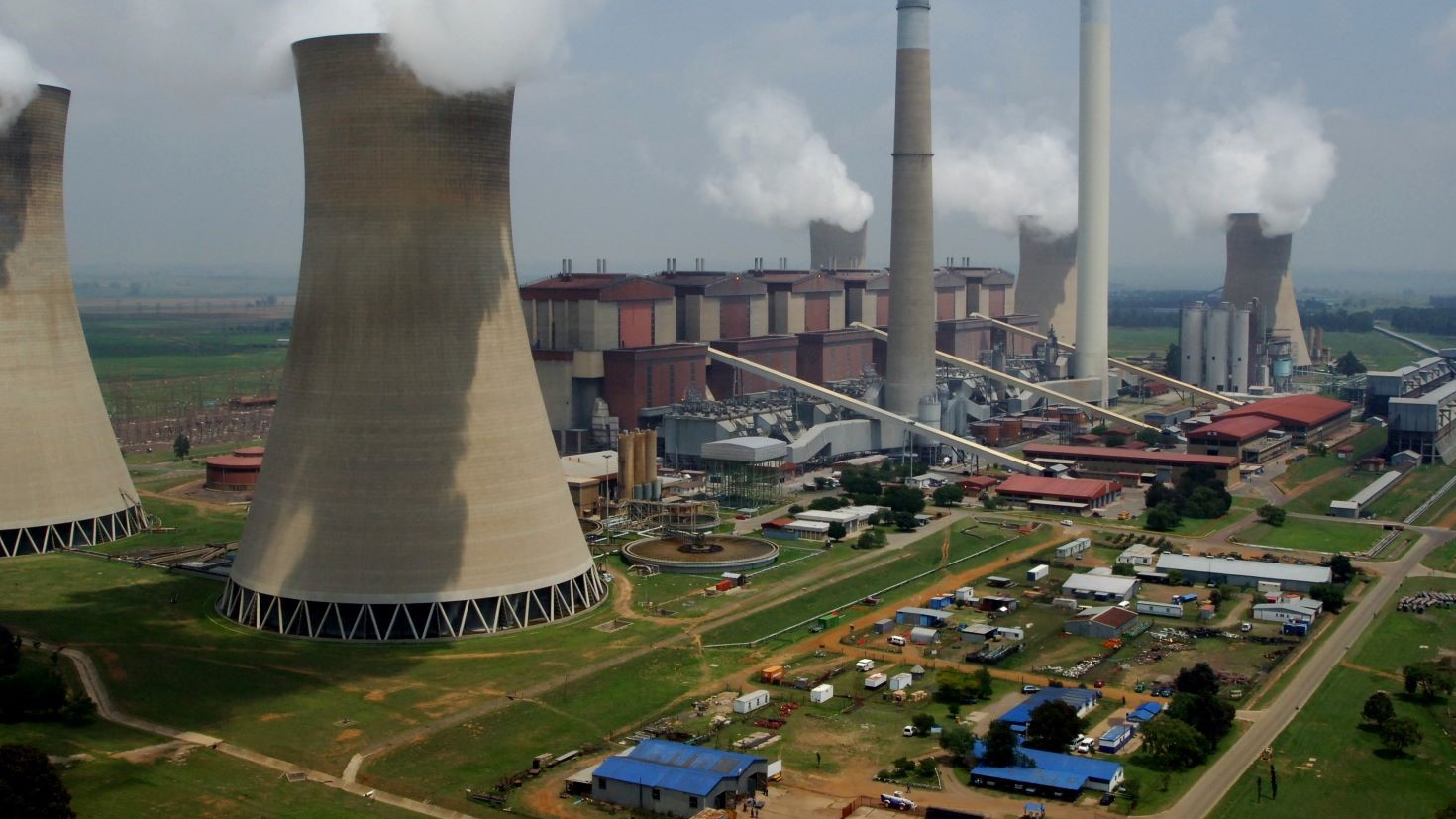
“Electricity Minister Kgosientsho Ramokgopa announced that Eskom will no longer rely on government bailouts or steep tariff increases, introducing the “Eskom 2.0” strategy to ensure financial sustainability. The plan demands Eskom cut inefficiencies, reduce electricity costs, and prepare for competition in South Africa’s liberalising energy market.”
South Africa’s energy sector has entered a new chapter with the unveiling of Eskom 2.0, a reform blueprint designed to reposition the state‑owned utility for sustainability and competitiveness. Minister Kgosientsho Ramokgopa’s announcement on September 27, 2026, signals the end of an era defined by bailouts and tariff hikes, and the beginning of a disciplined, efficiency‑driven Eskom.
Context: Eskom’s Historical Challenges
For decades, Eskom has been plagued by:
- Financial instability requiring repeated government bailouts.
- Operational inefficiencies leading to load shedding and high costs.
- Tariff hikes that burdened households and businesses.
South Africa’s industrial competitiveness and household affordability have suffered, with electricity costs becoming a major inflationary driver.
The Eskom 2.0 Strategy
Ramokgopa’s plan rests on three pillars:
- No bailouts: Eskom must operate without fiscal support.
- No sustained double‑digit tariff hikes: Consumers will be shielded from steep increases.
- Efficiency reforms: Eskom must cut technical losses, revenue leakages, and improve procurement, maintenance, and workforce productivity.
Financial Sustainability
Eskom reported its second consecutive annual profit in March 2026, thanks to improved operational performance. However, Ramokgopa stressed that sustainability depends on tackling electricity theft, inaccurate metering, and weak revenue collection.
Impact on Households and Businesses
- Households: Relief from rising electricity bills, improving disposable income.
- Businesses: Lower operating costs, boosting competitiveness and investment.
- Industrial sector: Reduced energy costs could revive manufacturing and mining productivity.
Reform Commitments
The Eskom board, chaired by Mteto Nyati, has been tasked with preparing Eskom for a competitive electricity market. This includes:
- Unbundling transmission assets into an independent operator.
- Supporting the launch of the South African Wholesale Electricity Market (SAWEM).
- Aligning with the Electricity Pricing Policy to encourage competition.
Broader Economic Implications
Electricity costs are a macroeconomic variable influencing:
- Inflation: Lower tariffs ease consumer price pressures.
- Growth: Affordable energy supports GDP expansion.
- Employment: Competitive industries can create jobs.
- Investment: Predictable energy costs attract foreign direct investment.
Risks and Challenges
- Municipal debt: Eskom is owed R120 billion by municipalities, threatening cash flow.
- Bondholder negotiations: Transmission unbundling requires bondholder consent.
- Delayed reforms: SAWEM’s repeated postponements undermine confidence.
Public Reaction
Consumers welcomed the assurance of no double‑digit tariff hikes, while industry leaders praised the focus on efficiency. However, scepticism remains about Eskom’s ability to deliver reforms without state support.
Conclusion
The Eskom 2.0 strategy represents a watershed moment for South Africa’s energy sector. By rejecting bailouts and tariff hikes, the government is forcing Eskom to embrace efficiency, sustainability, and competitiveness. If successful, this reform could lower electricity costs, strengthen the economy, and restore public confidence in the utility.



