




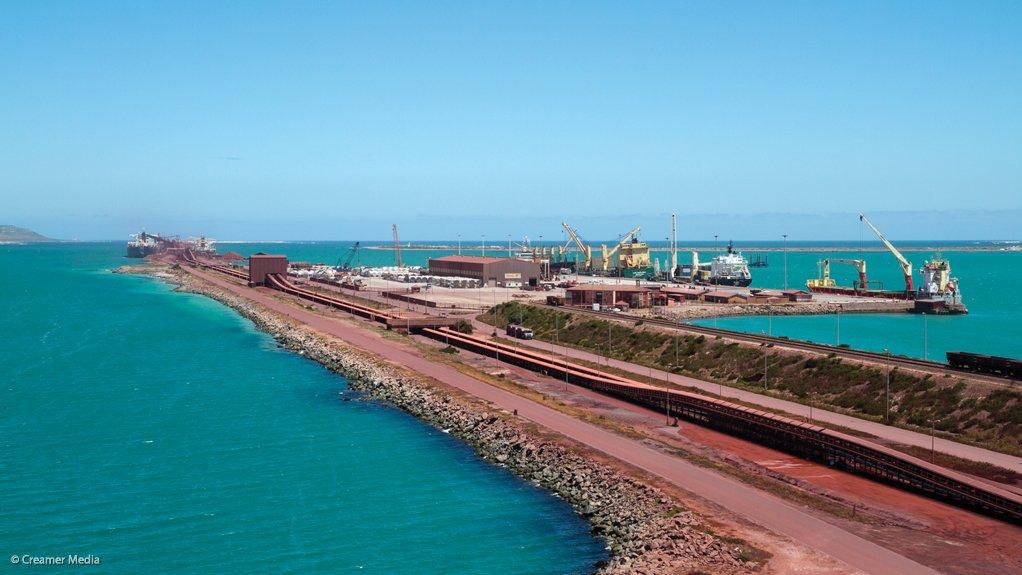
“The Transnet National Ports Authority and Freeport Saldanha have signed a 25-year lease covering approximately 55 hectares in the Southern Precinct of the Port of Saldanha, establishing a long-term foundation for industrial investment. The agreement supports an investment pipeline valued at approximately R6.9 billion across marine and bunkering services, manufacturing, industrial development and energy infrastructure, with potential implications for industrial property demand, logistics and employment.”
Long-term lease strengthens the foundations for industrial development
South Africa’s industrial property sector could receive a significant boost following a 25-year lease agreement between the Transnet National Ports Authority and Freeport Saldanha. The agreement concerns approximately 55 hectares in the Southern Precinct of the Port of Saldanha and is linked to an investment pipeline valued at around R6.9 billion. The development represents an important step towards creating the long-term certainty needed to attract industrial investors, expand port-related activities and strengthen South Africa’s position in international trade.
Industrial property is a critical component of the national economy. Warehouses, manufacturing facilities, distribution centres, logistics parks and specialised industrial sites provide the physical infrastructure that enables companies to produce goods, store materials and move products between suppliers and customers. Consequently, major investment initiatives around strategic ports can create opportunities that extend beyond maritime operations into the wider property market.
For Saldanha Bay, the lease offers a framework within which industrial projects can be planned over an extended period. Long-term land tenure can help investors evaluate capital-intensive projects, negotiate financing and develop infrastructure with greater confidence. Nevertheless, the scale and timing of individual developments will depend on investment decisions, project approvals, infrastructure capacity and commercial demand.
R6.9 billion investment pipeline creates opportunities
The investment pipeline associated with Freeport Saldanha is valued at approximately R6.9 billion. Reported areas of activity include marine and bunkering services, industrial development, manufacturing and energy infrastructure. These sectors are interconnected and could generate demand for different types of industrial property as projects progress.
Manufacturing businesses require buildings suited to their production processes, storage requirements and machinery. Marine service providers may need workshops, equipment storage and operational facilities close to the harbour. Meanwhile, energy-related businesses can require specialised sites, technical infrastructure and secure access for industrial equipment.
The potential impact therefore extends beyond the development of individual buildings. A growing industrial cluster could support demand for transport services, maintenance contractors, engineering businesses, equipment suppliers and other companies that depend on port activity.
However, the R6.9 billion figure should be understood as the value of an investment pipeline rather than confirmed expenditure already completed. The eventual economic impact will depend on which projects proceed, the capital committed to each project and the time required to deliver them.
For property investors, this distinction matters. A proposed investment pipeline can signal future demand, but it does not automatically guarantee rental growth, full occupancy or immediate increases in property values.
Why the Port of Saldanha matters to industrial property
The Port of Saldanha is an important maritime facility on South Africa’s west coast. Its location gives industrial businesses access to maritime transport and provides a strategic setting for activities associated with bulk commodities, marine services and export-oriented industries.
Ports can influence the location decisions of manufacturers and logistics operators because proximity to shipping infrastructure can reduce transport complexity and improve access to international markets. Where businesses can operate near cargo-handling facilities, they may be able to coordinate deliveries, storage and exports more efficiently.
The Southern Precinct lease could help establish conditions for additional port-related industrial activities. If the associated projects advance, demand may emerge for warehouses, workshops, production facilities, yards and supporting commercial premises.
Industrial property developers will nevertheless need to consider the requirements of each prospective occupier. A conventional distribution warehouse is not interchangeable with a specialised manufacturing facility or a marine engineering workshop. Buildings must meet technical, operational, environmental and safety requirements appropriate to their intended uses.
This creates opportunities for developers with the expertise to design flexible industrial spaces while accommodating the specific needs of tenants.
Potential benefits for the Saldanha Bay Special Economic Zone
The agreement is linked to industrial activities associated with the Saldanha Bay Special Economic Zone, which aims to encourage investment and economic activity around the region’s industrial and maritime advantages. The long-term lease provides a foundation for projects that could strengthen this industrial ecosystem.
For Saldanha Bay, a successful investment programme could create opportunities for local enterprises to supply construction materials, industrial equipment, maintenance services, transport and other business-to-business services.
Small and medium-sized businesses may benefit if larger projects create opportunities for local procurement and subcontracting. Such benefits are not automatic, however. Local firms need the technical capacity, financing, qualifications and commercial relationships necessary to compete for contracts.
Property developers and industrial landlords could also benefit from a broader tenant base if the area attracts businesses across several industries rather than relying on one dominant activity.
Employment and regional economic development
Industrial developments can contribute to employment during both construction and operational phases. Construction activity may require engineers, builders, electricians, equipment operators, project managers and specialist contractors. Once facilities become operational, businesses may need production workers, technicians, logistics personnel, administrators and maintenance teams.
The number of jobs created will depend on the projects ultimately implemented and the extent to which their operations are labour-intensive. Capital-intensive industrial and energy facilities may require substantial investment without generating employment at the same scale as labour-intensive manufacturing.
Even so, a stronger industrial base can support additional economic activity through suppliers and service providers. Increased demand for transport, accommodation, retail services and professional support may benefit businesses elsewhere in the regional economy.
To maximise these opportunities, skills development and local supplier participation will be important. Training programmes aligned with the needs of incoming businesses could help residents access technical and operational positions.
It will also be important to distinguish between jobs announced in proposed projects and employment actually created. Transparent reporting on construction progress, operational milestones and local procurement would help communities assess the initiative’s practical benefits.
Implications for industrial property investors
The Saldanha agreement highlights the relationship between industrial property and investment in productive infrastructure. Investors evaluating industrial assets generally examine tenant demand, rental income, occupancy, maintenance costs, access to transport and the financial strength of prospective occupiers.
A large investment pipeline can make an area more attractive for investigation, but investors should also assess the risks associated with infrastructure delivery, project delays, commodity-market fluctuations and changes in trade conditions.
In Saldanha Bay, opportunities may emerge for specialised industrial facilities serving marine businesses, manufacturers and energy companies. Yet the commercial case for any property will depend on its location, building specifications, lease terms and access to essential services.
Investors should therefore avoid assuming that all industrial property in the region will benefit equally. Sites close to relevant infrastructure and suitable for specific occupiers may have different prospects from properties that lack reliable access, modern facilities or appropriate zoning.
Developers will also need to manage construction costs and ensure that planned facilities match realistic occupier requirements. Building too much speculative space before demand materialises could create vacancies and weaken investment returns.
Infrastructure and sustainability remain essential
Long-term industrial growth depends on more than land availability. Electricity, water, road access, telecommunications, wastewater management and dependable port operations are important factors in determining whether industrial projects can operate efficiently.
Energy-intensive manufacturers and specialised industrial operators may require substantial power capacity and reliable backup arrangements. Water availability and environmental compliance can also influence the suitability of particular sites.
Because the investment pipeline includes energy infrastructure, industrial development and manufacturing, coordination between project developers, infrastructure providers and relevant authorities will be particularly important.
Environmental management will also shape the long-term success of development around Saldanha Bay. Industrial activity must be planned with appropriate attention to coastal ecosystems, pollution prevention, water quality and the responsible handling of industrial materials.
Incorporating efficient energy systems, suitable waste-management measures and climate-resilient infrastructure during the design stage may reduce operating risks over the lifetime of industrial buildings.
What businesses and developers should watch next
The next important indicators will be the announcement of specific projects, confirmed capital commitments, regulatory approvals, construction schedules and agreements with industrial occupiers.
Businesses considering a move to Saldanha Bay should assess whether the region offers the facilities, transport connections, workforce and operating conditions they require. Developers should evaluate demand before committing substantial capital, while logistics companies should examine how new industrial activities might affect freight movements and storage requirements.
Local suppliers should monitor procurement opportunities and prepare documentation demonstrating their capabilities, financial stability and compliance with relevant standards.
For public authorities and development stakeholders, transparent communication about implementation milestones will help distinguish early-stage proposals from projects that have secured funding and entered construction.
These developments will provide a clearer picture of how quickly the lease translates into operational industrial capacity.
Outlook for South Africa’s industrial real estate market
The TNPA–Freeport Saldanha agreement provides an important signal of potential investment in South Africa’s port-linked industrial economy. Its 25-year duration and association with an approximately R6.9 billion investment pipeline establish a framework for industrial activities that could support manufacturing, marine services, energy infrastructure and related property demand.
The ultimate significance will depend on implementation. A signed lease creates a basis for development, but the broader economic benefits will emerge only as projects secure funding, infrastructure becomes available and businesses begin operating.
For South Africa’s industrial real estate sector, the development reinforces the importance of connecting property investment with real economic activity. Well-located industrial buildings can support production, exports and distribution, but their long-term value depends on the needs of occupiers and the performance of the surrounding economy.
Saldanha Bay could benefit if the investment pipeline translates into viable projects, sustainable employment and stronger industrial capacity. For investors, developers and local businesses, the opportunity is substantial enough to merit attention, while careful assessment of execution risks remains essential.
Conclusion: The 25-year lease is a significant step towards enabling further industrial development around the Port of Saldanha. Whether the projected R6.9 billion pipeline delivers lasting benefits for industrial property, employment and regional growth will depend on the projects that ultimately proceed and the quality of their execution.



