




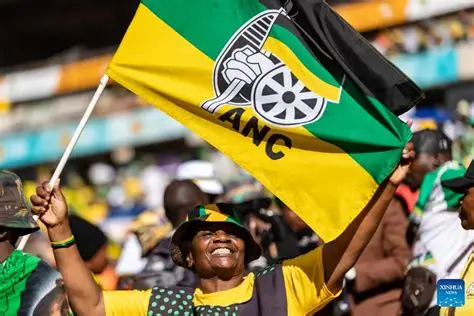
“The latest Ipsos and SRF polls reveal a fierce contest between the ANC and DA across Johannesburg, Tshwane, and other metros, while Jacob Zuma’s MK Party dominates eThekwini with over 50% support. Public frustration with corruption, collapsing infrastructure, and economic stagnation is fueling this unprecedented shift in voter sentiment.”
South Africa is entering one of its most consequential election seasons since 1994. With local government elections scheduled for 4 November 2026, the ruling African National Congress (ANC) faces its toughest challenge yet. Polling data from Ipsos and the Social Research Foundation (SRF) shows the ANC and Democratic Alliance (DA) in a dead heat across several metros, while Jacob Zuma’s MK Party is surging in eThekwini. This dynamic reflects a broader shift in public opinion, driven by disillusionment with governance failures and a hunger for credible alternatives.
Polling Landscape
- Johannesburg: ANC leads narrowly at 31%, DA trails at 27%.
- Tshwane: DA ahead with 31%, ANC at 22%.
- eThekwini (Durban): MK Party dominates with 55% support.
- National figures (Ipsos): ANC 31%, DA 25%, MK 14%, EFF 11%, ActionSA 6%, IFP 3%, Patriotic Alliance 2%.
These numbers highlight a fragmented political landscape where coalition politics may become the norm. The ANC’s once-comfortable dominance is eroding, while the DA is positioning itself as a credible national alternative.
Drivers of Public Opinion
- Corruption Scandals: From state capture to the Phala Phala controversy, the ANC’s credibility has been severely undermined.
- Service Delivery Failures: Persistent power cuts, water shortages, and collapsing infrastructure have fueled voter anger.
- Economic Stagnation: With unemployment above 33% and inequality entrenched, frustration is widespread.
- Coalition Skepticism: The Government of National Unity (GNU), formed in 2024, has failed to inspire confidence.
The Rise of the DA
The DA’s campaign emphasizes job creation, reliable service delivery, and anti-corruption measures. Its momentum is strongest in Gauteng metros, where urban voters are increasingly disillusioned with the ANC. Helen Zille’s high-profile campaign in Johannesburg has drawn attention, while ActionSA’s Herman Mashaba is also gaining traction.
The MK Party Surge
Jacob Zuma’s MK Party is reshaping the political map in KwaZulu-Natal. With 55% support in eThekwini, it has become South Africa’s third-largest party nationally. Zuma’s populist appeal and strong grassroots networks are resonating with voters who feel neglected by mainstream parties.
Implications for November 2026
- Coalition Governments Likely: No single party is projected to secure outright majorities in key metros.
- Turnout Will Decide Outcomes: Pollsters emphasize that voter mobilization strategies will be critical.
- Historic Realignment Possible: If the ANC falls below 40% nationally, it would mark the most significant decline in its post-apartheid history.
Public Sentiment
Interviews conducted during Ipsos’ Khayabus “Pulse of the People” study reveal that two-thirds of registered voters are highly interested in politics and elections. Yet, many remain undecided, underscoring the volatility of the electorate.
Conclusion
South Africa’s November 2026 elections are shaping up to be a watershed moment. The ANC’s dominance is waning, the DA is gaining credibility as a national alternative, and the MK Party is rewriting the rules in KwaZulu-Natal. Public opinion reflects deep frustration with corruption, poor service delivery, and economic stagnation. As campaigning intensifies, the battle for voter trust will determine whether South Africa enters a new era of coalition politics or witnesses a dramatic realignment of power.



