




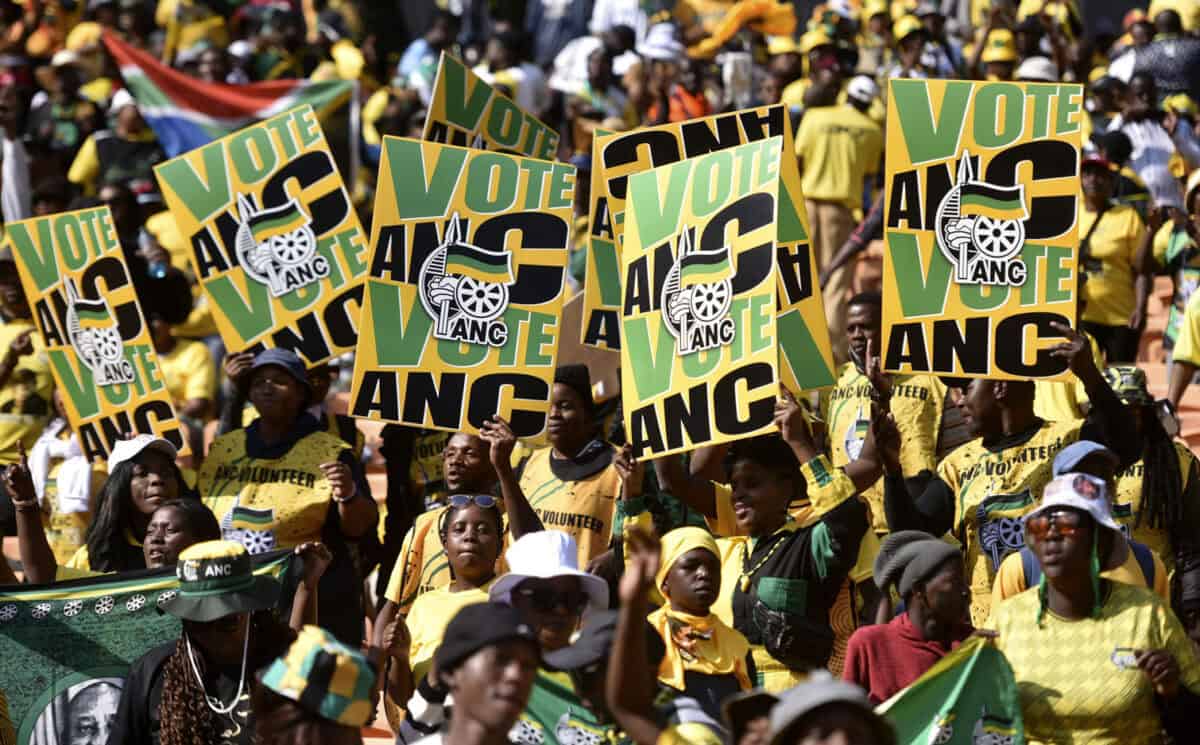
“The IEC’s latest municipal by-election results reveal the ANC securing over 60% of the vote, reinforcing its stronghold in key wards, while the DA and EFF continue to struggle to expand their support base. These outcomes set the stage for the upcoming November 2026 Local Government Elections, where voter turnout and opposition strategies will be critical.”
South Africa’s political landscape continues to evolve as the Independent Electoral Commission (IEC) released updated municipal by-election results on July 6, 2026. These results, though limited in scope compared to national elections, provide a crucial snapshot of voter sentiment ahead of the highly anticipated Local Government Elections scheduled for November 2026. The African National Congress (ANC) has once again demonstrated its electoral resilience, securing over 60% of the vote in contested wards, while opposition parties such as the Democratic Alliance (DA) and the Economic Freedom Fighters (EFF) remain unable to break through the ANC’s dominance.
ANC’s Continued Dominance
The ANC’s performance in these by-elections underscores its ability to maintain voter loyalty despite ongoing challenges such as economic stagnation, service delivery protests, and corruption scandals. With 60.91% support, the ANC retained key wards in Mpumalanga and North West provinces, consolidating its grassroots presence. This result is significant because municipal by-elections often serve as a litmus test for broader national sentiment.
DA’s Struggles
The DA, South Africa’s main opposition party, secured 22.72% of the vote, retaining its seat in Rustenburg Municipality. While this demonstrates localized support, the DA continues to face difficulties in expanding beyond urban and middle-class constituencies. Analysts argue that the DA’s messaging has failed to resonate with rural voters, who remain loyal to the ANC due to historical ties and promises of social welfare.
EFF’s Plateau
The EFF, led by Julius Malema, garnered 11.03% of the vote but failed to secure any wards in this round of by-elections. This stagnation raises questions about the party’s ability to convert its vocal presence in national debates into tangible electoral gains. While the EFF appeals strongly to younger voters and those disillusioned with the ANC, its radical economic policies continue to alienate moderate voters.
Voter Turnout and Spoilt Votes
The IEC reported a total of 4,000 votes cast, with 3,952 valid votes and 48 spoilt ballots. Voter turnout remains a pressing issue, as declining participation rates could undermine the legitimacy of future elections. The IEC has emphasized the importance of voter education campaigns to ensure that citizens understand the significance of their constitutional right to vote.
Implications for November 2026 Local Government Elections
The November 2026 elections will be pivotal in shaping South Africa’s governance at the municipal level. The ANC’s strong showing in by-elections suggests it will enter the contest with momentum, but opposition parties still have an opportunity to mobilize disenchanted voters. Key battlegrounds will include metropolitan municipalities such as Johannesburg, Tshwane, and Cape Town, where service delivery failures and corruption scandals have eroded trust in the ruling party.
Political Funding and Campaign Strategies
The IEC has also highlighted the importance of transparency in political funding. With new regulations requiring parties to disclose donations, the playing field is expected to shift. The ANC’s reliance on established donor networks contrasts with the DA’s corporate backing and the EFF’s grassroots fundraising. These dynamics will influence campaign strategies in the months ahead.
Conclusion
The July 6, 2026 municipal by-election results reaffirm the ANC’s electoral strength while exposing the limitations of opposition parties in challenging its dominance. As South Africa prepares for the November 2026 Local Government Elections, the stakes are high: voter turnout, opposition unity, and campaign financing will determine whether the ANC maintains its grip on power or whether the DA and EFF can carve out meaningful gains.



