




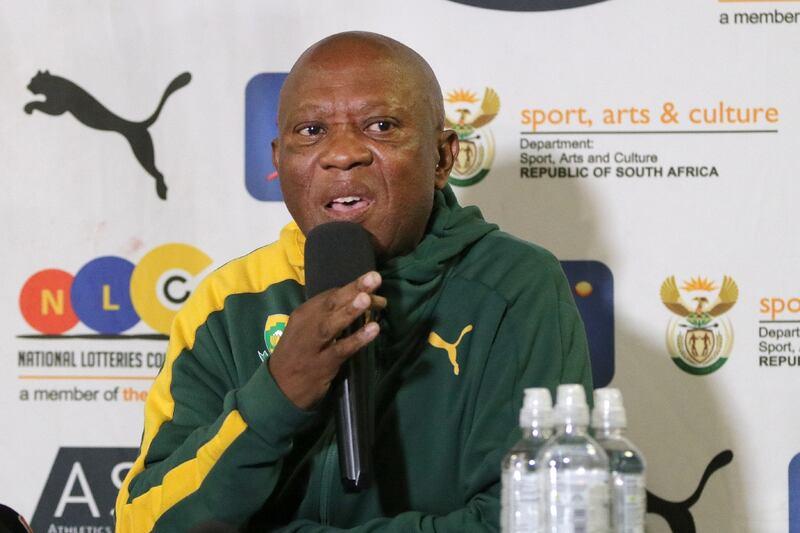
“World Athletics has reportedly directed Athletics South Africa to implement the dismissal of suspended president James Moloi in line with disciplinary findings and to reform its constitution and hold elections within six months. The warning raises questions about federation governance, athlete representation and the potential consequences for South African competitors if international suspension follows.”
Athletics South Africa Faces Six-Month Reform Deadline as World Athletics Raises Governance Concerns
South African athletics is facing a significant governance challenge following reports that World Athletics has instructed Athletics South Africa (ASA) to address leadership concerns, reform its constitution and conduct elections within six months. The warning, reported by Business Day on 20 October 2026, places the national federation under pressure to demonstrate that it can meet the international governing body’s expectations and protect the interests of athletes, coaches, officials and affiliated clubs.
The development comes at a time when South Africa continues to produce competitive athletes across sprinting, middle-distance running, long-distance road racing, cross-country and field events. However, sporting achievement depends on more than individual talent. National federations also need credible leadership, transparent decision-making, accountable administration and effective relationships with international governing bodies.
The central question is whether ASA can complete the required reforms within the specified period while maintaining the stability of competitions and athlete development programmes across the country.
World Athletics issues a governance warning
According to the Business Day report, World Athletics has instructed ASA to implement the removal of suspended president James Moloi in accordance with disciplinary findings and to undertake constitutional reform before holding elections within six months. Failure to meet the requirements could expose South Africa to international suspension.
The warning follows a fact-finding process conducted in September, led by Zakhele Dlamini, president of the Southern African Confederation of Athletics and a vice-president of the Confederation of African Athletics. The findings reportedly identified serious deficiencies in ASA’s governance and functioning.
These concerns make the matter more consequential than an ordinary disagreement over federation leadership. National athletics bodies are responsible for organising competitions, implementing rules, supporting athletes and maintaining relationships with international sporting institutions. When questions arise about governance, the consequences can extend beyond the people holding senior positions.
World Athletics’ reported intervention signals that the issues require a formal response rather than assurances alone. ASA must now demonstrate that its leadership arrangements, constitution and electoral processes can satisfy the requirements communicated by the international body.
The precise implementation of the directive, including the applicable procedures and any subsequent decisions, remains important to follow as further official information becomes available.
Leadership changes at the centre of the dispute
James Moloi’s position is central to the current situation. The Business Day report identifies him as the suspended ASA president and says World Athletics has called for his immediate dismissal in accordance with the disciplinary committee’s findings.
Leadership disputes within a national federation can create uncertainty for administrators, provincial associations, athletes and commercial partners. Those involved need clarity about who has authority to make decisions, how responsibilities are distributed and which processes must be followed to ensure continuity.
Nevertheless, the issue should not be reduced to one individual. A sustainable solution requires an institutional framework that works regardless of who occupies the presidency. Effective governance depends on clear rules, properly constituted decision-making bodies, credible elections and mechanisms for addressing misconduct or disputes.
Constitutional reform may therefore be an important part of the process. If existing provisions have contributed to governance weaknesses, changes could help clarify responsibilities, strengthen oversight and improve accountability. Any reform, however, will need to be implemented through the appropriate procedures rather than treated as a purely administrative exercise.
The forthcoming period will test whether ASA can establish a transparent process that satisfies international expectations while giving its members confidence in the federation’s future direction.
Why the six-month deadline matters
A six-month deadline creates a defined period in which ASA must address the reported requirements. Rather than allowing uncertainty to continue indefinitely, the timetable places emphasis on completing reforms and holding elections within a specified window.
The deadline also creates practical challenges. Constitutional changes can involve consultation, review of existing provisions, agreement among relevant stakeholders and formal approval procedures. Elections require credible rules, eligible candidates, clear voting arrangements and confidence that the results will be accepted.
These steps must be coordinated carefully. Rushing the process could create further disputes, while delaying it could increase the risk of sanctions. ASA will need to balance speed with procedural fairness and demonstrate progress through verifiable actions.
Communication will be particularly important. Athletes and clubs need to understand whether competitions, selection arrangements and development activities will continue as planned. Provincial associations and other stakeholders also need reliable information about decisions that affect their responsibilities.
The six-month period should therefore be viewed not simply as a deadline for changing leadership but as an opportunity to establish a stronger administrative foundation for South African athletics.
Possible consequences for South African athletes
The most serious potential consequence is the risk of international suspension if the federation fails to comply with World Athletics’ requirements. The final consequences would depend on the nature and scope of any sanction actually imposed, as well as the applicable international rules and subsequent decisions.
A suspension could raise difficult questions about the participation of South African athletes in international competitions, national team representation and the administration of international sporting relationships. However, the precise impact cannot be assumed before an official sanction and its terms are confirmed.
For athletes preparing for major championships, even uncertainty can be disruptive. Competitive preparation often involves long training cycles, coaching plans, travel arrangements, qualification targets and financial commitments. Athletes may also depend on federation processes for selection, entries and other administrative support.
Coaches, clubs and provincial associations have similar reasons to seek clarity. They need to know that athletes can continue training and competing without unnecessary disruption caused by administrative uncertainty.
For that reason, the priority should be to protect athletes from the consequences of institutional disputes wherever possible. The individuals competing on the track, road and field are not necessarily responsible for governance failures, yet they could face significant uncertainty if the dispute escalates.
Clear communication from ASA and World Athletics will be essential to distinguishing the current reform requirements from any future sanctions that might be imposed.
The wider significance for athletics development
South Africa has a broad athletics community, encompassing elite international competitors, school athletes, university programmes, club runners, recreational participants and developing field-event specialists. A national federation provides an important coordinating structure for this diverse sporting environment.
Good governance helps ensure that competitions are administered consistently, rules are applied fairly and resources are managed responsibly. It also supports confidence among sponsors, event organisers, public institutions and communities investing in athletics.
Where governance is weak, the sport can struggle to maintain trust. Uncertainty about leadership or decision-making may complicate long-term planning and make it harder for stakeholders to work towards shared objectives.
Constitutional reform could provide an opportunity to strengthen institutional safeguards. Potential areas for consideration include clearly defined leadership responsibilities, transparent electoral procedures, effective financial oversight, conflict-of-interest rules and reliable mechanisms for handling complaints. These are examples of governance measures that may be relevant; they should not be mistaken for a confirmed list of mandatory amendments in the current directive.
Meaningful reform must also involve the people affected by the federation’s decisions. Athletes, coaches, officials, clubs and provincial structures all have practical experience that can help identify weaknesses and improve the organisation’s performance.
The aim should be to create a federation whose legitimacy rests on sound procedures and the confidence of its members, rather than on the authority of a particular officeholder.
Accountability and the role of the international governing body
World Athletics oversees the international framework within which national athletics federations operate. Its reported intervention demonstrates the importance of compliance with governance expectations in maintaining a federation’s international standing.
At the same time, reform needs to be credible at the national level. Procedures should be understood by stakeholders, decisions should follow the applicable rules and those affected should have clarity about the process.
The fact-finding mission led by Zakhele Dlamini provides important context for the reported directive. The findings appear to have prompted demands for corrective action, although the full details of the findings and the precise steps required should be assessed against official documentation as it becomes available.
The coming months will therefore be important not only for ASA but also for the relationship between South African athletics and the broader international athletics system.
A successful resolution would require the federation to address the reported concerns, meet the relevant deadlines and establish arrangements that can withstand scrutiny. Continued uncertainty, by contrast, could deepen concerns among athletes and other stakeholders.
What happens next?
Attention will now turn to ASA’s formal response and the practical steps taken to meet the reported six-month requirements. Important developments to watch include clarification of the leadership arrangements, publication or communication of proposed constitutional changes, the procedures for approving those changes and the timetable for elections.
Stakeholders will also want to know how the federation intends to maintain its normal sporting operations during the reform process. Competition administration, athlete support and communication with provincial structures should remain priorities while governance matters are addressed.
World Athletics’ subsequent statements will be particularly significant in determining whether the required actions are progressing satisfactorily and whether any additional measures are being considered.
It is important to distinguish the present warning from a completed suspension. The reporting indicates that international suspension is a potential consequence of failing to comply; it does not establish that South Africa has already been suspended.
That distinction matters because premature conclusions could create unnecessary alarm among athletes and the public. Accurate information, supported by official announcements, will be necessary as the situation develops.
Conclusion
The reported six-month reform deadline represents a major test for Athletics South Africa. World Athletics’ demands concerning James Moloi’s removal, constitutional reform and elections place the federation under pressure to demonstrate accountability and restore confidence in its administration.
The outcome matters well beyond the leadership of the organisation. South African athletes, coaches, clubs and provincial associations need a stable and credible national structure that supports competition, development and international participation.
The immediate challenge is to resolve the governance concerns through a transparent, fair and properly documented process. If ASA meets the requirements and establishes stronger institutional safeguards, the episode could become an opportunity to improve the federation’s long-term effectiveness.
If the process stalls, however, the possibility of international sanctions could create further uncertainty for the sport. For now, the priority is to monitor official developments, distinguish confirmed decisions from potential consequences and ensure that athletes’ interests remain central to the response.



