




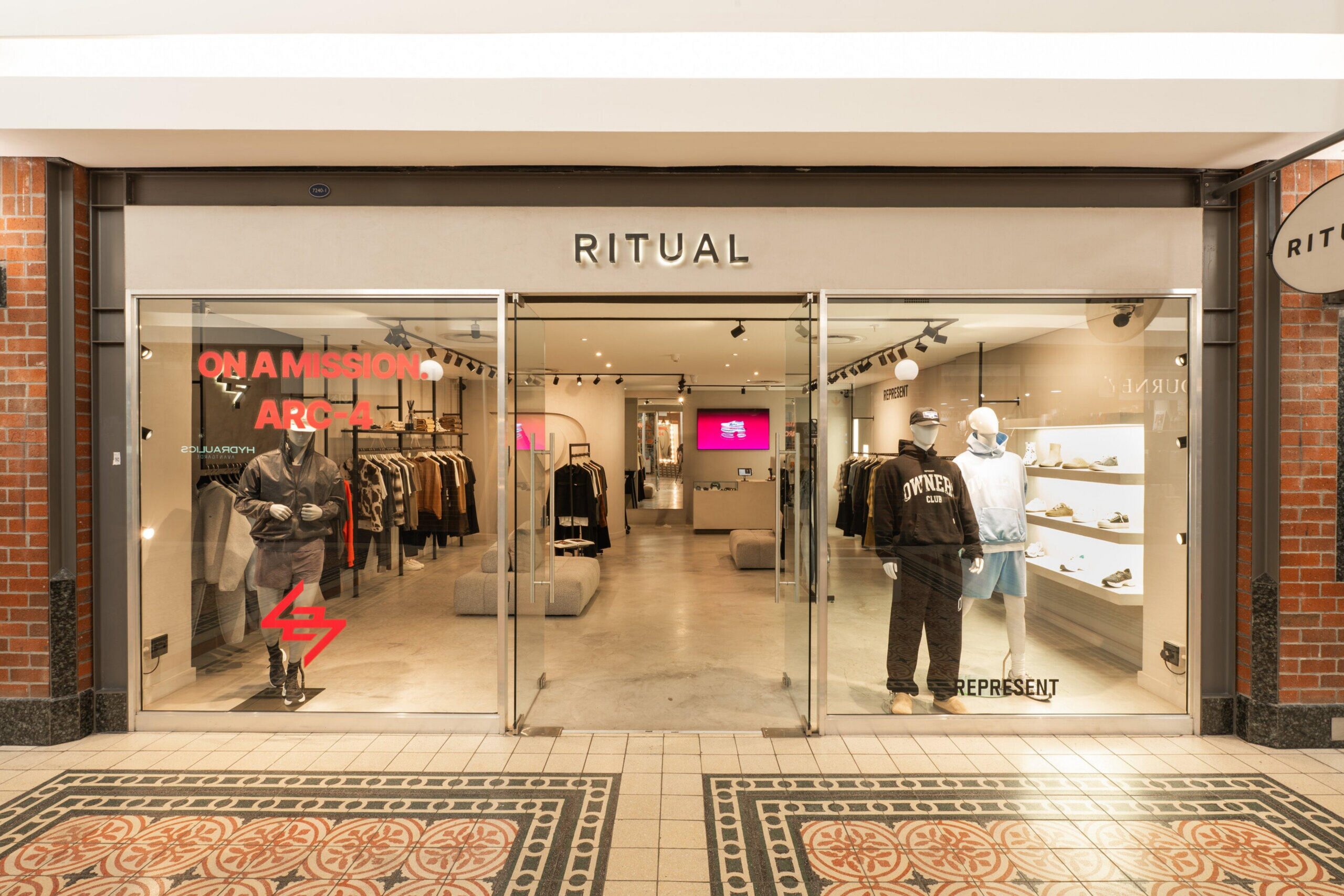
“British luxury streetwear brand Represent has entered the African retail market with a flagship store at Cape Town’s V&A Waterfront, opened in August 2026, and plans to expand into Sandton City in Johannesburg during October. The move combines physical retail, a partnership involving South African DJ Shimza, and plans for a dedicated South African online store, highlighting the commercial opportunities emerging around premium streetwear.”
Represent’s South African expansion highlights the growing opportunity for premium streetwear
A new chapter for South African streetwear retail
South Africa’s fashion retail landscape is gaining another international streetwear presence as British luxury label Represent establishes a physical foothold in the country. The brand’s Cape Town flagship marks its first permanent African retail location, while a planned Johannesburg store signals ambitions to reach consumers in two of the country’s most prominent shopping markets.
The development is significant because streetwear has become more than a casual clothing category. It combines fashion, music, sport, youth identity, sneaker culture and online communities. For brands operating at the premium end of the market, these connections can help transform clothing purchases into a broader lifestyle experience.
Represent, founded in 2011 by brothers George and Michael Heaton, has built an international following around contemporary British design, premium materials and carefully developed collections. Its South African expansion introduces a new physical way for local customers to encounter the label, moving beyond discovery through social media and international online shopping.
According to reporting by Bizcommunity on 8 October 2026, the brand’s first African flagship opened at Cape Town’s Victoria and Alfred Waterfront in August. The store occupies Shop 7217 on the upper level and presents the brand’s latest collections alongside its 247 range, which focuses on performance clothing and elevated everyday essentials.
Why Cape Town matters
Cape Town provides a strategic starting point for a premium international fashion brand entering South Africa. The V&A Waterfront combines shopping, restaurants, tourism and entertainment, attracting local shoppers as well as visitors from other parts of the country and abroad.
For Represent, this environment offers an opportunity to introduce its design language to different consumer groups. Existing followers can experience products in person, while new customers can discover the label through the store itself.
Physical retail also changes the relationship between a brand and its audience. Customers can examine fabrics, assess construction, compare sizes and try on clothing before making a purchase. These experiences can be particularly valuable for premium fashion, where quality, fit and finish contribute to a product’s perceived value.
The store’s design was developed by London-based Scratch Creative in collaboration with Raph and Matt Fitters. Its role is to translate Represent’s international retail identity into a permanent South African setting. The intention is to make the shopping environment part of the brand experience rather than simply a place to complete transactions.
Cape Town’s position as an international tourism destination may also help the label reach consumers who are already familiar with the brand. However, long-term performance will depend on more than location alone. Product availability, pricing, customer service and the ability to maintain interest after the opening period will all influence the store’s success.
Johannesburg expansion broadens the opportunity
The next stage of Represent’s South African rollout is a planned store at Sandton City in Johannesburg during October 2026. This would extend its physical presence from Cape Town into another major commercial centre and make the brand accessible to a different group of shoppers.
Johannesburg has an established premium retail market and a substantial business and entertainment community. Sandton City provides access to customers who shop for international labels, contemporary fashion and lifestyle products.
Having stores in both cities would give Represent a stronger platform for building awareness nationally. Nevertheless, two physical locations cannot serve every South African consumer directly. This is why the brand’s plans for local e-commerce are an important part of the wider strategy.
A South African online platform is expected towards the end of 2026, according to the reports. If implemented as planned, it would give customers outside Cape Town and Johannesburg another route to access the collections.
The combination of retail locations and online shopping reflects a wider change in fashion distribution. Customers may discover a product through a social media post, investigate it on a website, visit a store to examine it, and later purchase another item online. A consistent experience across these channels can make a brand easier to engage with.
For South African streetwear consumers, local digital access could reduce some of the friction associated with finding an international label. The practical benefits will depend on the platform’s final delivery options, payment methods, stock availability and customer support.
Local partnerships connect fashion with culture
Represent’s African expansion is being led by entrepreneur Victor Barbosa and business partner Byron Ryan. South African DJ Shimza, whose real name is Ashley Raphala, has also joined the venture as a partner. Their involvement brings local business experience and cultural connections into the brand’s expansion strategy.
Such partnerships can matter in streetwear because consumers often connect clothing with the people, music and communities surrounding it. DJs, musicians, athletes, designers and content creators can influence how audiences discover brands and interpret their identities.
South Africa’s music scene, particularly its strong connections between fashion, nightlife and contemporary urban culture, creates potential opportunities for this kind of collaboration. However, the value of a partnership ultimately depends on whether it builds meaningful connections with customers rather than relying solely on celebrity recognition.
For Represent, local partners can help the brand understand the market, establish relationships and navigate the practical requirements of operating in a new country. They may also help translate an international brand identity into a setting shaped by South African tastes and cultural references.
At the same time, local participation should not be confused with proof of broad consumer demand. The brand will still need to understand different budgets, shopping habits and preferences across the country.
What premium streetwear means for consumers
Premium streetwear occupies a space between traditional luxury fashion and everyday casual clothing. It may combine familiar pieces such as hoodies, T-shirts, jackets, trousers and trainers with distinctive branding, carefully selected materials and a more deliberate design approach.
For consumers, the attraction can include comfort, versatility, quality and association with a particular aesthetic. A well-designed wardrobe can work across different settings, from informal social occasions to travel and everyday activities.
Nevertheless, premium positioning usually comes with a higher price than basic clothing. This creates a clear distinction between customers who are prepared to invest in specialist labels and those who prioritise affordability.
South Africa’s diverse consumer market means that both groups matter. The arrival of another premium brand expands choice for shoppers seeking international streetwear, but it does not automatically address the needs of consumers who require lower-cost fashion.
Retailers must therefore communicate product quality and value clearly. Customers increasingly have access to information about competing brands, online prices and alternative products. A premium label needs to demonstrate why its products justify the amount being charged.
For local fashion businesses, Represent’s expansion may also provide a useful comparison point. South African designers can observe how international labels present collections, create retail environments and connect online audiences with physical stores, while continuing to develop their own distinctive identities.
South African designers remain central to the streetwear conversation
Although international brands attract attention, South Africa’s own designers remain essential to the development of its streetwear identity. Local fashion draws from music, township creativity, heritage, contemporary art, sport and the everyday experiences of urban communities.
The upcoming South African Fashion Week Autumn/Winter 2027 collections provide another indication of the breadth of the country’s fashion industry. Scheduled for 21–25 October 2026 at The Forum, Hyde Park Corner, the programme includes streetwear, menswear, heritage, craftsmanship and contemporary African design. The event also highlights emerging designers alongside established names.
This creates an important context for Represent’s expansion. South Africa is not simply a new destination for international fashion companies; it already has designers, creative entrepreneurs and consumers shaping their own interpretations of street culture.
Local brands can distinguish themselves through original graphics, locally relevant storytelling, innovative garment construction and collaborations with musicians or artists. Some may also find opportunities to serve consumers looking for distinctive products that reflect their identities and experiences.
However, building a sustainable fashion business involves more than developing an appealing design. Designers must manage manufacturing costs, reliable production, inventory, distribution, marketing and customer service. Access to financing and suitable retail channels can also influence whether an independent label grows beyond a small customer base.
Fashion platforms and retail partnerships can help address some of these challenges by connecting emerging designers with audiences and industry networks. Nevertheless, opportunities need to translate into practical support, repeat sales and commercially viable production if the sector is to benefit over the long term.
Digital marketing and the changing shopping experience
Digital communication is particularly important to streetwear because product discovery often happens through images, short videos, creators and online communities. Consumers can follow collections, compare styling ideas and discuss releases without visiting a physical shop.
Represent’s planned South African e-commerce platform could strengthen this relationship by providing a local digital destination alongside its retail locations. The company has indicated that the platform is intended to extend access beyond major shopping centres.
For retailers, the challenge is to make online and in-store experiences complement each other. Product photographs should accurately represent garments, sizing information should be clear, and customers should understand delivery costs, returns policies and payment arrangements before ordering.
Social media can also help brands build stronger relationships with audiences. Styling videos, behind-the-scenes content, designer interviews and collaborations can provide context that a standard product listing cannot.
Nevertheless, digital visibility does not guarantee commercial success. Brands must turn attention into customer trust through accurate information, dependable fulfilment and consistent service.
For smaller South African streetwear labels, these lessons are relevant even without the resources of an international company. A focused digital strategy, clear brand identity and reliable customer experience can help an independent business compete for attention.
Challenges facing the premium streetwear market
Represent’s expansion comes with opportunities, but it also enters a market where consumers make careful decisions about discretionary spending. Clothing competes with household expenses and other financial priorities, meaning that premium products must offer a compelling proposition.
International expansion also requires businesses to understand local operating conditions. Retail costs, inventory management, import arrangements, currency movements and customer expectations can affect the economics of a fashion store.
A physical location provides visibility, but maintaining that presence requires sufficient demand throughout the year. Initial interest following a store opening may not necessarily translate into consistent repeat purchases.
Similarly, online expansion requires dependable logistics and clear communication. Customers outside major cities need to know whether products can be delivered conveniently and what happens if an item is unavailable or unsuitable.
The wider fashion industry also faces questions about durability and responsible consumption. Customers may increasingly consider garment quality, product longevity and manufacturing practices when evaluating purchases. Brands that communicate these matters transparently can give consumers more information when making decisions.
For independent designers, these challenges can be particularly demanding because smaller production runs may limit purchasing power. However, a focused product range and close relationships with customers can help businesses understand demand and avoid producing excessive stock.
What the expansion could mean for South African fashion
Represent’s entry into South Africa demonstrates how an international streetwear brand can combine physical retail, digital distribution and local partnerships as part of a market expansion strategy.
Its Cape Town flagship establishes a starting point, while the planned Johannesburg location and local e-commerce platform could broaden access if delivered as announced. The longer-term outcome will depend on customer response, commercial performance and the company’s ability to maintain a relevant presence.
For South African consumers, the expansion offers another destination for premium streetwear. For local retailers, it increases competition while providing an opportunity to study how international brands build relationships with customers.
For independent designers, the development reinforces the importance of creating distinctive products and strong identities. Competing successfully does not necessarily mean copying international labels. It can mean developing designs that reflect local culture, offering reliable quality and building loyal communities around original ideas.
South African Fashion Week’s forthcoming programme further demonstrates that the country’s industry encompasses much more than imported fashion. Its emphasis on craftsmanship, established designers and emerging talent provides a platform for the development of local creative businesses.
Ultimately, the growth of streetwear in South Africa will be shaped by the interaction between international investment and local creativity. Retail stores may introduce brands to new audiences, but enduring success depends on products, service, cultural relevance and consumer trust.
Represent’s expansion is therefore an important development to watch, rather than proof that the entire premium streetwear market is growing at a particular rate. As the planned Johannesburg opening and online launch progress, their accessibility and performance will provide a clearer indication of how the brand intends to develop its South African presence.
For now, the key story is the arrival of a global streetwear label through Cape Town, its proposed move into Johannesburg and its effort to connect an existing international audience with South African customers.



