




“South Africa’s Technology Innovation Agency (TIA) has launched “TIA 2.0,” a bold new strategy to strengthen the national innovation system by connecting researchers, entrepreneurs, investors, and policymakers. The initiative focuses on overcoming the “Valley of Death” in innovation, ensuring that promising technologies reach commercialization and benefit all South Africans.”
South Africa’s innovation landscape is entering a transformative era with the unveiling of TIA 2.0, a comprehensive strategy by the Technology Innovation Agency (TIA) designed to reshape how innovation is funded, commercialized, and integrated into the broader economy. Announced at a high-profile media briefing in Johannesburg earlier this month, the initiative has already sparked significant interest among industry leaders, policymakers, and entrepreneurs.
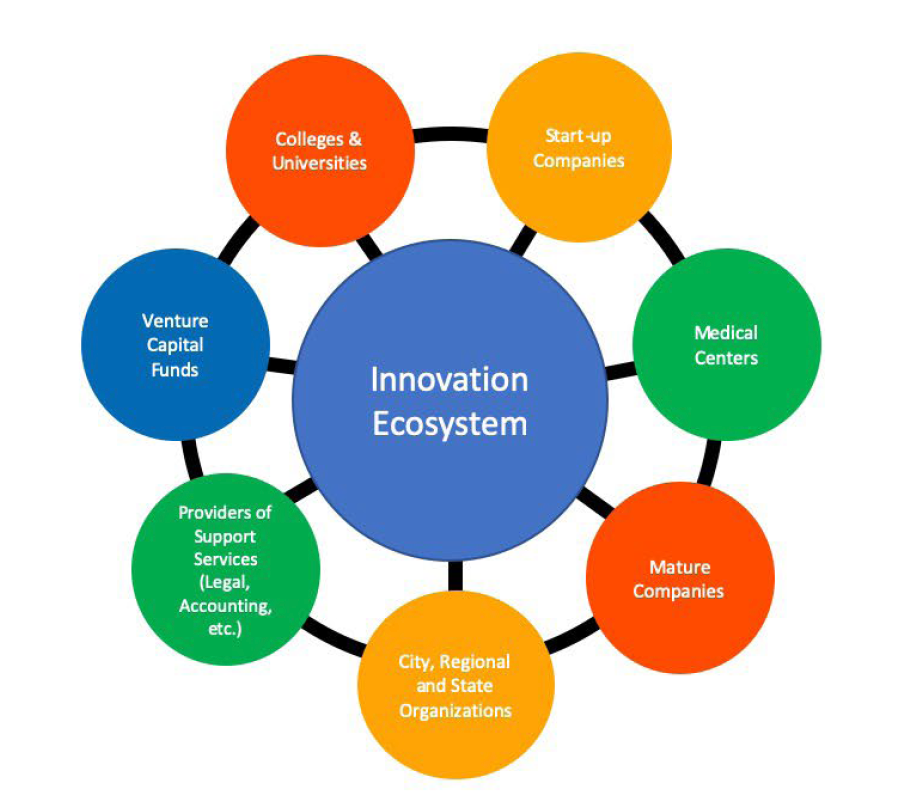
At the heart of TIA 2.0 lies a shift from isolated innovation projects to interconnected ecosystems. TIA Board Chairperson Loyiso Tyira emphasized that innovation is not just about technological breakthroughs but about creating inclusive opportunities that drive economic growth and social progress. “Innovation means economic growth,” Tyira declared, underscoring the agency’s commitment to ensuring that innovation benefits all South Africans, particularly women, youth, and township entrepreneurs who have historically been excluded from mainstream innovation networks.
The strategy directly addresses one of the most persistent challenges in the innovation cycle: the so-called “Valley of Death.” This is the critical stage where promising technologies often fail to secure the necessary funding, support, and market access to become commercially viable. TIA Chief Executive Officer Dr. Titus Mathe explained that TIA 2.0 will prioritize programs that bring together researchers, entrepreneurs, investors, universities, government departments, and industry partners to overcome this barrier. “The Valley of Death is where things die,” Mathe noted, stressing the importance of coordinated efforts to ensure innovations survive and thrive.
Over the past five years, TIA has successfully commercialized 306 technologies, moving them from laboratory research into the marketplace. However, under TIA 2.0, the goal is not just to replicate these successes but to scale them into sustainable businesses, quality jobs, and thriving industries. This requires a programmatic approach that integrates innovation into the broader economic framework, ensuring that breakthroughs lead to tangible benefits for society.
The vision of TIA 2.0 also aligns with South Africa’s broader economic development goals. By fostering collaboration across sectors, the strategy aims to build a national innovation system that is resilient, inclusive, and globally competitive. Tyira highlighted that South Africa possesses immense talent and creativity, but the challenge lies in building systems that allow innovators from every community to participate fully in the economy. This inclusivity is seen as essential for unlocking the country’s full potential.
Another key aspect of TIA 2.0 is its focus on broadening participation in innovation. The agency recognizes that innovation cannot be confined to elite institutions or urban centers. Instead, it must extend to townships, rural areas, and marginalized communities. By doing so, TIA hopes to democratize innovation, ensuring that diverse voices and perspectives contribute to the country’s development.
Industry stakeholders have welcomed the initiative, noting that it provides a clear roadmap for addressing South Africa’s innovation challenges. The emphasis on collaboration, inclusivity, and commercialization is seen as critical for building a sustainable innovation-driven economy. Moreover, the strategy positions South Africa to compete more effectively in the global innovation landscape, where technological change, digital transformation, and climate imperatives are reshaping industries and value chains.
In conclusion, TIA 2.0 represents a bold step forward for South Africa’s innovation ecosystem. By addressing systemic challenges, fostering inclusivity, and focusing on commercialization, the strategy has the potential to transform the country’s economic trajectory. As Tyira aptly put it, the success of TIA 2.0 will not be measured solely by the technologies funded but by the extent to which innovation opportunities are extended to all South Africans. If successful, TIA 2.0 could serve as a model for other developing economies seeking to harness innovation for inclusive growth and sustainable development.



