




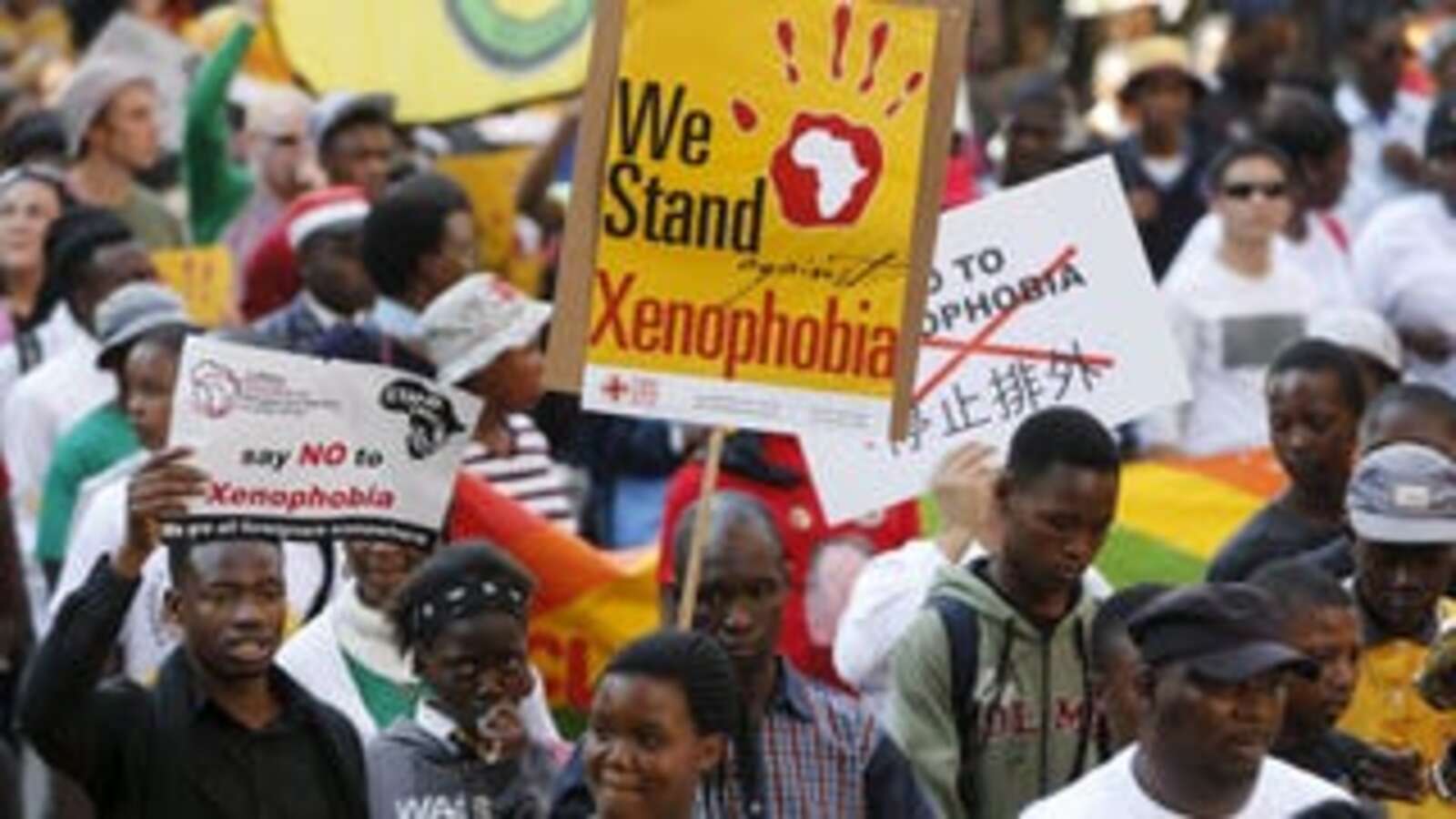
“Cape Town activists and artists gathered today to denounce rising xenophobia, chanting “Phanzi, Afrophobia!” as they called for solidarity with migrants. The demonstration underscored growing concerns about anti-immigrant sentiment and urged government accountability in protecting vulnerable communities.”
On 22 June 2026, Cape Town became the epicenter of a vibrant and urgent call for justice as activists, artists, and community leaders rallied against the growing tide of xenophobia in South Africa. The demonstration, organized under the slogan “Phanzi, Afrophobia!” (Down with Afrophobia), drew hundreds of participants who marched through the city’s streets, demanding stronger protections for migrants and a renewed commitment to inclusivity.
The protest comes at a time when anti-immigrant sentiment has been intensifying, fueled by economic hardship, unemployment, and political rhetoric that often scapegoats foreign nationals. Reports of clashes between police and migrant communities, forced deportations, and threats against immigrant-owned businesses have heightened tensions. Activists argue that these developments not only endanger lives but also erode South Africa’s democratic values of equality and human dignity.
Voices from the Protest
Artists played a central role in the demonstration, using music, poetry, and visual art to amplify the message of solidarity. One performer declared, “Our art is resistance. We will not allow fear and hatred to define our communities.” Civil society organizations echoed this sentiment, stressing that xenophobia undermines social cohesion and distracts from addressing systemic issues such as poverty and corruption.
Community leaders emphasized that Afrophobia disproportionately affects migrants from other African countries, particularly Zimbabwe, Malawi, and Nigeria. Many of these migrants fled economic instability or political repression, only to face hostility in South Africa. Protesters carried placards reading “Migrants are not the enemy” and “Unity over division,” underscoring their demand for a more compassionate national discourse.
Government Accountability
Activists directed sharp criticism at the government, accusing officials of failing to adequately protect migrants and of tacitly enabling xenophobic narratives. Calls were made for policy reforms that prioritize human rights, including fair immigration processes, stronger anti-discrimination laws, and community education campaigns to counter misinformation.
The Independent Electoral Commission’s recent voter registration drive was also referenced, with activists urging South Africans to use their democratic power to elect leaders committed to inclusivity. “We cannot build a prosperous South Africa while excluding our brothers and sisters from across the continent,” one speaker noted.
Broader Context
This protest is part of a wider wave of activism across South Africa, where communities are increasingly mobilizing against injustice. From labor strikes to environmental campaigns, civil society has been vocal in demanding accountability. The anti-Afrophobia rally in Cape Town reflects a growing recognition that xenophobia is not just a migrant issue but a national crisis that threatens stability and progress.
Experts warn that deportations and police crackdowns alone cannot resolve migration challenges. Instead, they argue for regional cooperation, economic reforms, and investment in social services to address the root causes of tension.
Conclusion
The Cape Town protest against Afrophobia marks a significant moment in South Africa’s ongoing struggle for justice and equality. By uniting artists, activists, and ordinary citizens, the demonstration sent a clear message: xenophobia has no place in a democratic society. As chants of “Phanzi, Afrophobia!” echoed through the streets, the rally underscored the urgent need for compassion, solidarity, and systemic change.
For South Africa, the challenge now lies in translating these calls into concrete action—ensuring that the nation’s future is built not on division, but on unity and shared humanity.



