




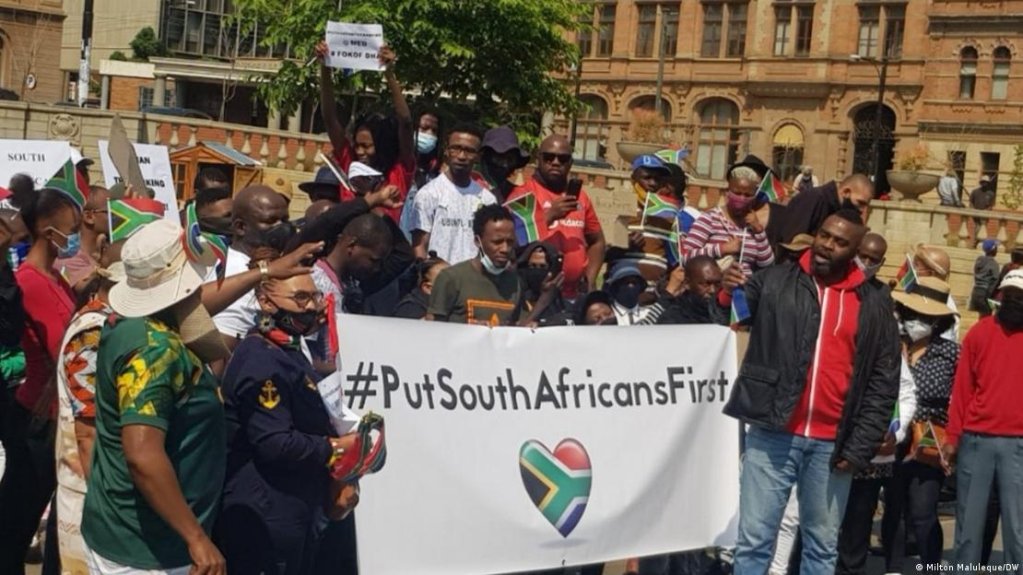
“Civil society organizations in South Africa have raised alarms about a wellness and healthcare crisis as undocumented migrants increasingly avoid clinics due to fear of deportation and discrimination. Public health experts warn that this avoidance undermines wellness initiatives, exacerbates disease risks, and threatens the broader health system.”
South Africa’s wellness landscape is facing a critical challenge as undocumented migrants and refugees increasingly avoid public health clinics. Civil society groups, healthcare professionals, and advocacy organizations have sounded the alarm, warning that this trend is creating a dangerous gap in access to wellness services. The issue is not only humanitarian but also a public health crisis, with implications for disease prevention, mental health, and community wellness.
Background
South Africa has long been a destination for migrants from neighboring countries, many fleeing conflict, poverty, or instability. However, the country’s healthcare system has struggled to accommodate undocumented individuals. Reports indicate that fear of deportation, xenophobia, and systemic discrimination are driving migrants away from clinics. This avoidance undermines wellness programs designed to promote preventive care, nutrition, mental health support, and chronic disease management.
Civil Society Response
Over 400 public health professionals and civil society organizations have united to call for urgent reforms. They argue that wellness is a universal right and that excluding migrants from healthcare services contradicts South Africa’s constitutional commitment to human dignity. Advocacy groups emphasize that wellness encompasses more than physical health—it includes mental resilience, social support, and access to safe environments.
Impact on Wellness
- Preventive Care: Migrants avoiding clinics miss out on vaccinations, screenings, and wellness education.
- Mental Health: Fear and exclusion contribute to anxiety, depression, and trauma among migrant communities.
- Community Health: Avoidance increases risks of communicable diseases spreading unchecked, undermining wellness for all residents.
- Nutrition & Lifestyle: Migrants often lack access to wellness programs promoting healthy diets and exercise, worsening chronic conditions like diabetes and hypertension.
Government Position
The South African government has acknowledged challenges in balancing immigration control with healthcare access. Officials argue that resources are stretched, but critics insist that wellness cannot be compromised. Civil society groups are pressing for inclusive policies that guarantee access to clinics regardless of documentation status.
Case Studies
- In Gauteng, wellness outreach programs have reported declining participation among migrant families.
- In Limpopo, community health workers note rising cases of untreated chronic illnesses among undocumented individuals.
- In Cape Town, NGOs have stepped in to provide wellness services, but resources remain limited.
Expert Opinions
Healthcare experts stress that excluding migrants undermines national wellness goals. Dr. Lerato Kodisang, a public health researcher, notes: “Wellness is holistic. When migrants avoid clinics, we lose opportunities to promote preventive care, mental health, and community resilience.”
Wellness Policy Recommendations
Civil society groups propose:
- Universal Clinic Access: Guaranteeing wellness services for all residents.
- Community Outreach: Expanding mobile wellness units to reach migrant communities.
- Anti-Discrimination Training: Equipping healthcare workers to provide inclusive wellness care.
- Partnerships with NGOs: Leveraging civil society resources to strengthen wellness programs.
Broader Implications
The crisis highlights the intersection of wellness, human rights, and public health. Excluding migrants from clinics not only harms individuals but also undermines South Africa’s wellness agenda. Inclusive policies are essential to build resilient communities and safeguard national health.
Conclusion
South Africa’s wellness crisis underscores the urgent need for inclusive healthcare policies. Civil society’s warnings must be heeded to ensure that wellness—defined as holistic health, mental resilience, and community well-being—is accessible to all, regardless of immigration status. The path forward requires compassion, policy reform, and a commitment to universal wellness.



