




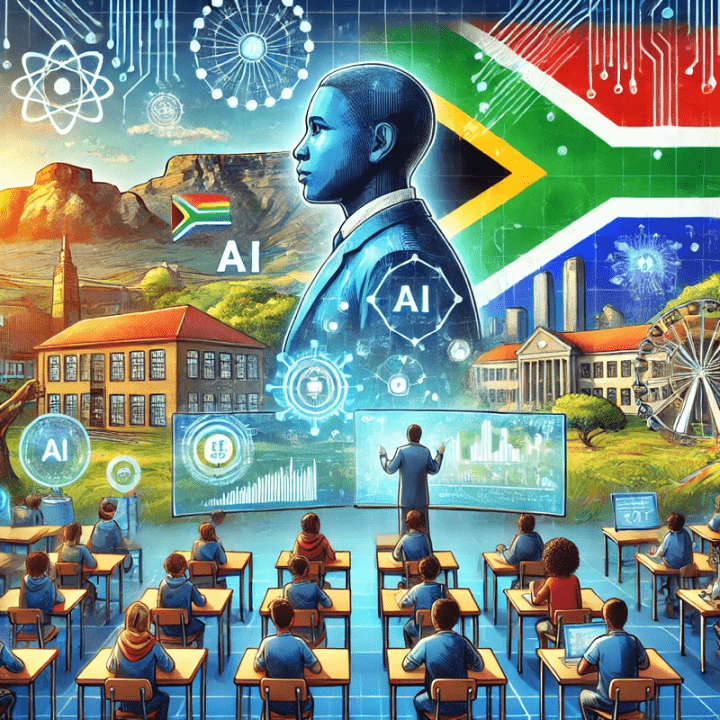
“The CSIR hosted a webinar on September 16, 2026, unveiling AI-powered tools designed to improve literacy and language learning across South Africa’s diverse linguistic landscape. These innovations include neural text-to-speech technology for all 11 official languages and multilingual story generators aimed at fostering early literacy among children.”
Artificial Intelligence (AI) continues to reshape societies worldwide, and in South Africa, its potential is being harnessed to address one of the country’s most pressing challenges: literacy and language learning. On September 16, 2026, the Council for Scientific and Industrial Research (CSIR) hosted a landmark webinar showcasing AI-driven innovations designed to empower learners, educators, and communities across the nation’s multilingual environment.
The Context of Literacy in South Africa
South Africa is home to 11 official languages, reflecting its rich cultural diversity. However, this linguistic variety presents challenges in education, particularly in ensuring equitable access to literacy resources. Literacy rates remain uneven, with rural and under-resourced communities often struggling to access quality learning materials in their native languages. AI offers a scalable solution to bridge these gaps.
CSIR’s AI Innovations
The CSIR introduced two groundbreaking tools:
- Neural Text-to-Speech (TTS): Capable of producing natural-sounding voices across all official languages, this technology ensures inclusivity and accessibility. Learners can hear stories, lessons, and instructions in their mother tongue, enhancing comprehension and engagement.
- Multilingual Story Generator: Designed to foster early literacy, this tool creates culturally relevant stories in multiple languages, encouraging children to read and listen in their preferred language.
These tools are not only technological achievements but also cultural milestones, reinforcing the importance of preserving linguistic heritage while promoting literacy.
Educational Impact
The AI tools promise to:
- Personalize learning experiences by adapting to individual linguistic needs.
- Enhance classroom accessibility by providing teachers with AI-generated resources.
- Support early childhood development through engaging, multilingual storytelling.
- Bridge educational gaps in rural areas where resources are scarce.
Societal Benefits
Beyond education, these innovations contribute to:
- Cultural preservation: Ensuring indigenous languages remain vibrant in digital spaces.
- Economic empowerment: Equipping learners with literacy skills that improve employability.
- Social cohesion: Promoting inclusivity by validating all languages equally.
Challenges and Considerations
While promising, the initiative faces challenges:
- Infrastructure limitations: Reliable internet and devices are needed to access AI tools.
- Training requirements: Teachers must be trained to integrate AI into classrooms.
- Ethical concerns: Ensuring AI-generated content respects cultural sensitivities.
Global Significance
South Africa’s AI literacy initiative resonates globally, particularly in developing nations facing similar challenges. By leveraging AI for education, the CSIR sets a precedent for how technology can be harnessed to address societal issues beyond economic growth.
Conclusion
The CSIR’s demonstration marks a pivotal moment in South Africa’s educational journey. By integrating AI into language learning and literacy, the country is not only addressing immediate challenges but also laying the foundation for a more inclusive, empowered, and literate society. This initiative underscores the transformative potential of AI when applied thoughtfully to local contexts.



