




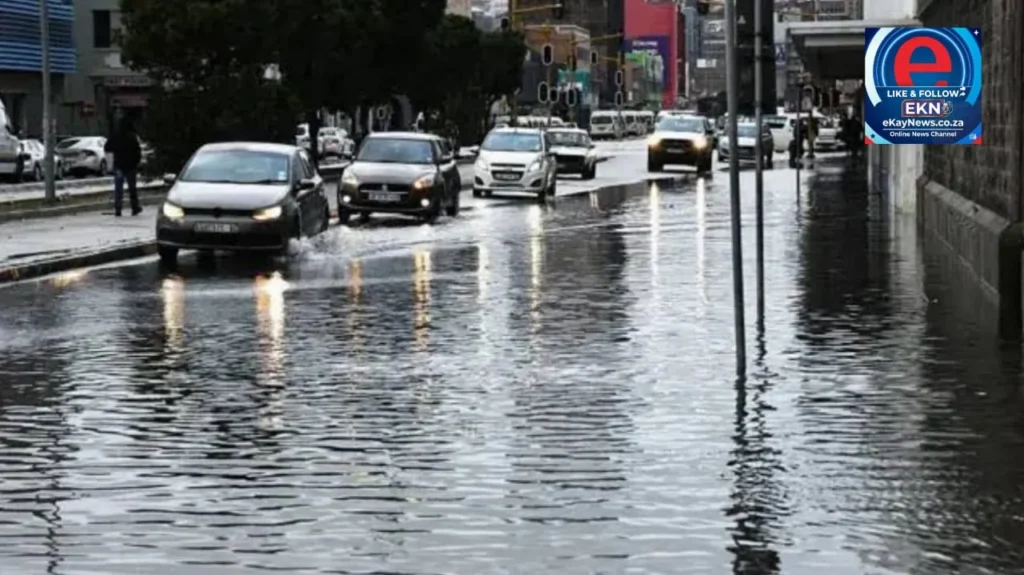
“South Africa faces widespread severe thunderstorms today, with level 5 warnings for hail, flooding, and damaging winds across the Northern Cape, Free State, and North West provinces. Authorities urge residents to stay indoors, avoid flooded areas, and prepare for disruptions to transport, power, and agriculture.”
On Saturday, 19 September 2026, South Africa is experiencing one of its most disruptive weather events of the year. The South African Weather Service (SAWS) has issued multiple warnings, including orange level 5 alerts for severe thunderstorms and yellow level 2 warnings for damaging winds and disruptive rain. These conditions pose immediate threats to communities, infrastructure, and the environment, underscoring the growing vulnerability of the country to extreme weather events linked to climate change.
Geographic Spread of the Storms
- Northern Cape: Severe thunderstorms with hail, lightning, and flooding expected in towns such as Kimberley, Upington, and Prieska.
- Free State: Heavy downpours and hail forecast for Bloemfontein and surrounding areas, raising risks of flash floods.
- North West Province: Localised flooding and damaging winds predicted in Mahikeng and Rustenburg.
- KwaZulu-Natal Coast: Disruptive rain leading to flooding of settlements and roads.
- Western Cape: Damaging winds expected in northern and western regions, though Cape Town enjoys clear skies.
Environmental Impact
The storms are expected to cause:
- Flooding of rivers and low-lying areas, threatening biodiversity and ecosystems.
- Damage to agricultural activities, including crop destruction and livestock losses.
- Soil erosion and waterlogging, which could reduce long-term land productivity.
- Increased fire danger in Limpopo’s western Bushveld due to dry conditions preceding the storms.
Human and Infrastructure Risks
- Transport disruptions: Roads and bridges may be closed due to flooding, while slippery conditions increase accident risks.
- Power outages: Lightning and strong winds threaten electricity supply and communications.
- Housing damage: Informal settlements are particularly vulnerable to wind and flooding.
- Health risks: Exposure to cold, wet conditions could exacerbate respiratory illnesses, while fast-flowing water poses drowning hazards.
Climate Change Context
South Africa has recorded one of its warmest years on record, with a statistically significant warming trend of 0.17°C per decade since 1951. Rising temperatures contribute to more intense storms, floods, and droughts. The country’s greenhouse gas emissions reached 569.8 million tons CO₂-equivalent in 2024, highlighting the challenge of balancing economic growth with environmental sustainability.
Government and Community Response
- SAWS advisories urge residents to stay indoors, avoid rivers, and refrain from outdoor activities like fishing or golf.
- Emergency services are on standby to assist with evacuations and rescue operations.
- Local municipalities are preparing for disruptions to essential services, including water supply and sanitation.
- Community awareness campaigns emphasize preparedness and resilience, encouraging households to secure roofs, stock emergency supplies, and monitor official updates.
Economic Implications
- Agriculture: Floods and hailstorms could damage crops, reducing yields and impacting food security.
- Transport and logistics: Disruptions to road networks may delay supply chains, affecting mining and manufacturing sectors.
- Insurance claims: Rising damages from extreme weather events increase financial strain on insurers and households.
- GDP resilience: Despite environmental challenges, South Africa’s economy grew 0.8% in Q2 2025, supported by environmental policies that stabilize supply chains.
Conclusion
Today’s severe weather highlights the urgent need for climate adaptation strategies in South Africa. As storms intensify, communities must strengthen resilience through infrastructure upgrades, disaster preparedness, and sustainable land management. The events of 19 September 2026 serve as a reminder that environmental challenges are not distant threats but immediate realities shaping the nation’s future.



