




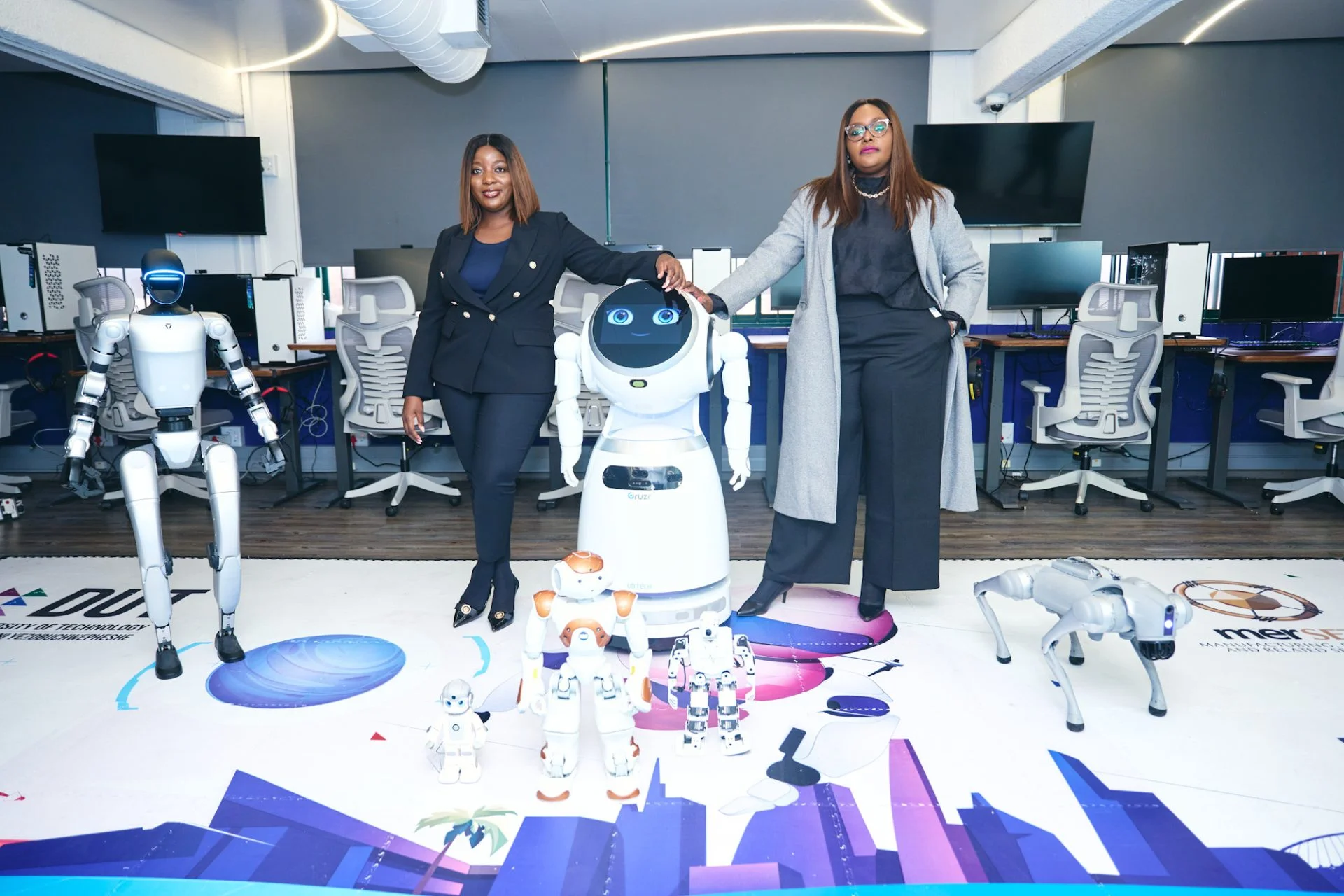
“GovTech 2026, South Africa’s largest government technology conference, opened in Durban this week, celebrating 20 years of digital innovation. The event emphasizes robotics, AI, cybersecurity, and data governance, positioning South Africa as the architect of its own digital destiny.”
South Africa has entered a defining chapter in its digital transformation journey with the launch of GovTech 2026, a landmark conference celebrating two decades of government-led technological innovation. Hosted in Durban from September 21–23, the event underscores the nation’s determination to shape its own digital destiny, with robotics and AI at the forefront of this transformation. Organized by the State Information Technology Agency (SITA), GovTech has evolved from a modest gathering in 2006 into a premier platform for showcasing innovation, shaping policy, and aligning government priorities with technological advancements.
Historical Context
GovTech began as a small forum for IT leaders but has grown into a central hub for South Africa’s digital governance. Over 20 years, it has consistently introduced new strategies, fostered partnerships, and unveiled innovations that directly impact citizens. Unlike many conferences that fade over time, GovTech has remained relevant by adapting to emerging technologies and aligning them with public service needs.
Robotics and Automation in Government
One of the most anticipated aspects of GovTech 2026 is its focus on robotics and automation. Demonstrations include robotic process automation (RPA) systems designed to streamline government workflows, reduce inefficiencies, and minimize corruption risks. These systems are capable of automating repetitive administrative tasks, freeing up human resources for more complex decision-making.
For example, robotic systems showcased at the event can handle document verification, permit processing, and even healthcare triage. By integrating robotics into public service delivery, South Africa aims to improve efficiency, reduce waiting times, and enhance citizen satisfaction.
Citizen-Facing AI
Complementing robotics is the emphasis on citizen-facing AI. Chatbots for public inquiries, AI-driven healthcare triage systems, and predictive analytics for social services are among the innovations being introduced. These tools are designed to make government services more accessible, responsive, and transparent.
Cybersecurity and Data Governance
GovTech 2026 also highlights the importance of cybersecurity and trust. With the rise of digital identities and online service delivery, protecting citizens’ data has become paramount. Strategies unveiled at the conference include advanced encryption protocols, AI-driven threat detection, and frameworks for safeguarding critical infrastructure.
Equally important is data governance and interoperability. South Africa is working to ensure seamless data sharing across government departments while maintaining strict privacy and compliance standards. This approach not only improves efficiency but also builds public trust in digital systems.
The GovTech Progress Tracker
A standout feature of this year’s conference is the GovTech Progress Tracker, a mechanism designed to monitor delivery across key domains such as sovereign cloud adoption, AI governance, cybersecurity maturity, and digital service delivery. This tracker provides measurable benchmarks, ensuring accountability and transparency in South Africa’s digital transformation journey.
Economic and Social Impact
The integration of robotics and AI into government services is expected to yield significant economic and social benefits. By reducing inefficiencies, South Africa can save millions in administrative costs, redirecting resources to critical areas such as healthcare and education. Moreover, robotics-driven automation can help curb corruption by minimizing human intervention in sensitive processes.
Socially, these innovations promise to enhance citizen engagement and satisfaction. Faster service delivery, improved healthcare triage, and transparent governance are all outcomes that directly benefit the public.
Workforce Transformation
While automation often raises concerns about job displacement, GovTech 2026 emphasizes upskilling and workforce transformation. Training programs are being developed in collaboration with universities and technical colleges to prepare the next generation of engineers, technicians, and public servants for robotics-driven environments. The focus is on complementing human labor rather than replacing it, ensuring that workers are equipped to thrive in a digital government ecosystem.
Regional and Global Significance
South Africa’s leadership in robotics and AI for governance positions it as a model for other African nations. By emphasizing localization and sovereignty, the country is charting a path that prioritizes citizen-centric outcomes over imported solutions. This approach not only strengthens national resilience but also inspires neighboring countries to pursue similar strategies.
Globally, GovTech 2026 signals South Africa’s readiness to compete in the digital governance arena. By showcasing innovations in robotics, AI, and cybersecurity, the nation is positioning itself as a leader in innovation-driven governance.
Conclusion
GovTech 2026 is more than just a conference—it is a bold statement of intent. By integrating robotics, AI, cybersecurity, and data governance into public service delivery, South Africa is charting a future where technology serves citizens directly and transparently. As the nation celebrates 20 years of GovTech, it is clear that the next chapter will be defined by innovation, resilience, and citizen-centric outcomes.



