




“South African property investor Des de Beer, through Delsa Investments, purchased 5.5 million shares in Lighthouse Properties for approximately R44.8 million, extending a series of purchases worth more than R77 million since June 2026. The investment comes as Lighthouse reports higher distributions and revenue following European shopping-centre acquisitions, highlighting how South African property investors can gain exposure to international real estate through listed property companies.”
Des de Beer’s R44.8 Million Lighthouse Properties Purchase Highlights New Opportunities in Real Estate Investment
A major share purchase puts listed property investment, international diversification and distribution growth in the spotlight
South African property investor Des de Beer has attracted attention in the real estate investment market after Delsa Investments, a company held through a family trust of which he is a beneficiary, purchased 5.5 million shares in Lighthouse Properties Plc for approximately R44.8 million. The transaction, reported on 18 October 2026, adds to a series of share purchases worth more than R77 million since June and highlights the continuing role of listed property companies in investment portfolios.
The investment is notable because Lighthouse Properties focuses on major shopping centres in Western Europe, particularly Spain. Consequently, the transaction illustrates how a prominent South African property investor can obtain exposure to international property markets without directly purchasing an individual shopping centre.
For investors following South African real estate, the purchase also raises broader questions about portfolio diversification, rental-based income, property valuations and the risks associated with investing in listed real estate companies.
Details of the R44.8 million transaction
According to the published report, Delsa Investments acquired 5.5 million Lighthouse Properties shares on the open market on 12 October 2026 at R8.15 per share. The transaction was disclosed through a filing with the Johannesburg Stock Exchange the following day.
The purchase represents the largest transaction in a series of reported acquisitions by Delsa. An earlier purchase involved 3.3 million shares for approximately R26.5 million in September, while additional purchases occurred during June, August and September. The reported acquisitions since June total at least 9.6 million shares and exceed R77 million in value.
The scale of the purchases makes the transaction relevant to investors monitoring insider and substantial-shareholder activity. Significant purchases by an established investor can attract market attention because they demonstrate a willingness to commit substantial capital to a particular company.
However, investors should not automatically interpret a large purchase as proof that a share is undervalued or guaranteed to generate attractive returns. The investment decision could reflect several considerations, including the investor’s existing holdings, long-term objectives, income expectations and assessment of the company’s strategy.
The transaction is therefore best understood as a development worth investigating rather than a recommendation for every investor to buy Lighthouse shares.
Lighthouse Properties expands its international investment profile
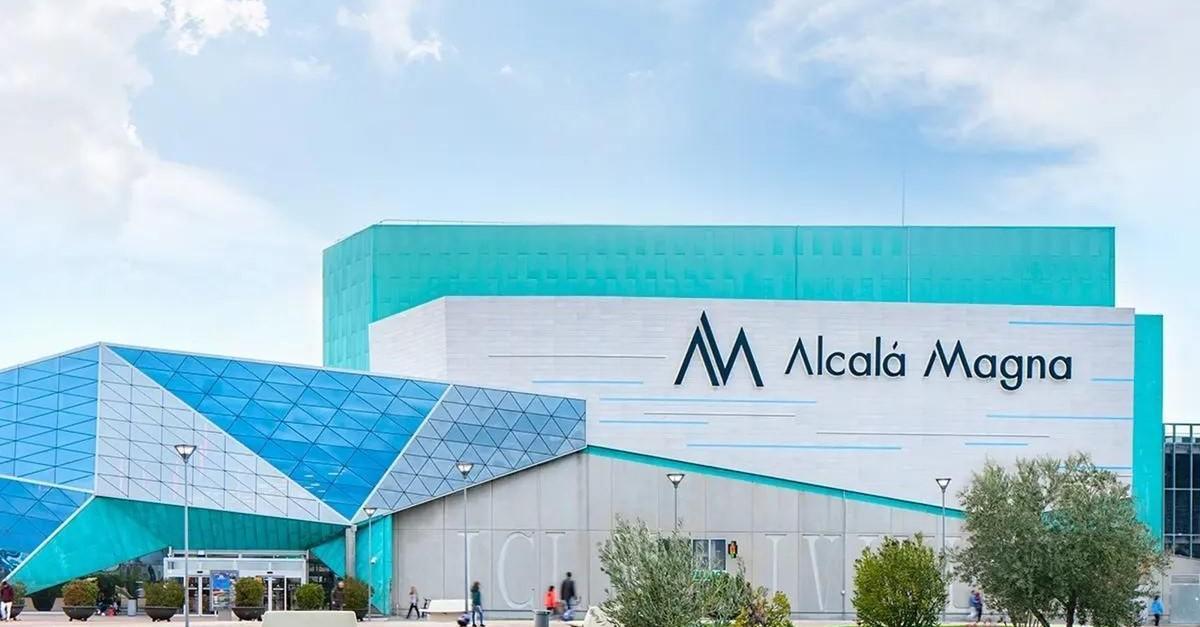
Lighthouse Properties is registered in Malta and has focused on large regional shopping centres in Western Europe. Spain is a particularly important market for the company, including its acquisitions of Alcalá Magna near Madrid and Espacio Mediterráneo in Cartagena during 2025.
These investments illustrate a property strategy built around acquiring established commercial assets rather than relying exclusively on constructing new developments.
Shopping centres can provide income through leases with retailers and other commercial tenants. Their performance, however, depends on factors such as tenant demand, occupancy, consumer spending, rental agreements, maintenance costs and competition from online retail.
For property investors, an established shopping centre may offer an existing rental-income stream, but its financial performance is not guaranteed. The quality of the tenants, the terms of leases and the property’s location all influence the sustainability of returns.
International exposure can also introduce additional considerations. Lighthouse investors must evaluate European retail conditions, exchange-rate movements and the financial implications of owning assets in different countries. These factors can affect the value of distributions received by investors when converted into South African rand.
Higher distributions attract investor attention
Lighthouse’s reported financial performance provides important context for the share purchases. In results published in August, the company increased its interim distribution by 9.7% to 1.4401 euro cents per share for the six months through June. Revenue rose to €77 million, while the full-year distribution forecast increased to approximately three euro cents per share, representing an 8.7% increase compared with 2025.
Distributions are important to investors in listed property companies because they represent a potential source of income alongside changes in share prices.
Nevertheless, rising distributions do not necessarily mean that an investment will deliver a positive total return. Share prices can fall, operating expenses can increase and financial conditions can change. Investors should also distinguish between a company’s forecast distribution and the amount ultimately declared and paid.
A comprehensive assessment should examine whether distributions are supported by recurring property income, how much debt the company carries and whether planned acquisitions can generate sufficient additional cash flow.
The relationship between income and valuation is particularly important. A company offering a comparatively attractive distribution may still be an expensive investment if its share price already reflects optimistic expectations about future performance.
What the transaction means for South African property investors
Although Lighthouse’s underlying assets are concentrated in Europe, the purchase has relevance for South African investors interested in real estate as an investment category.
One option available to investors is direct property ownership. This involves purchasing residential, commercial or industrial property and receiving income from tenants, potentially alongside long-term capital appreciation.
Another option is investing through listed property companies, which allow shareholders to participate financially in portfolios of real estate assets. This approach can provide access to commercial properties that individual investors might not be able to purchase independently.
Listed property shares may also be easier to buy and sell than physical buildings, although liquidity depends on trading activity and market conditions. Their prices can fluctuate considerably, even when the underlying properties continue to collect rent.
Investors should therefore consider their time horizon, financial objectives and ability to withstand market volatility before choosing between direct property ownership and listed property securities.
Diversification is another important consideration. Exposure to multiple buildings, tenants, locations and property sectors can reduce dependence on a single asset. However, diversification does not eliminate broader risks affecting property markets, interest rates or economic growth.
Capital allocation and the wider property market
The purchase comes against a broader backdrop of changing investment conditions in South Africa’s real estate sector.
In an analysis published on 15 October 2026, Standard Bank Corporate and Investment Banking described a shift among property companies from balance-sheet repair towards more selective capital deployment, acquisitions and strategic repositioning. The analysis highlighted improved liquidity, reduced leverage and growing interest in logistics, selected residential assets and convenience retail.
This context matters because property investment decisions are influenced by both individual company performance and wider financing conditions.
During periods of elevated borrowing costs, property companies may prioritise debt reduction and the sale of non-core assets. When financial positions improve, they may have greater capacity to acquire properties, consolidate portfolios or pursue new opportunities.
Even so, the availability of capital does not guarantee successful expansion. Acquisitions must be priced appropriately, financed sustainably and managed effectively to create value for shareholders.
Competition for attractive properties can also increase purchase prices, potentially reducing the returns available to new investors.
Risks investors should examine before buying property shares
Despite the reported growth in Lighthouse’s revenue and distributions, investors should consider several risks before making an investment decision.
Interest-rate exposure: Higher interest rates can increase borrowing costs and make income-producing property shares less attractive relative to other investments. Changes in financing conditions may also affect property valuations.
Retail-sector performance: Shopping centres depend on tenants remaining financially healthy and customers continuing to visit stores. Changes in consumer behaviour, online shopping and operating costs can influence rental income.
Currency movements: South African investors with exposure to foreign assets face exchange-rate risk. A strengthening euro against the rand can increase the rand value of euro-denominated returns, while a weakening euro can reduce it.
Valuation risk: A company can report stronger earnings while its shares remain vulnerable to falling market valuations. Investors should examine financial statements, debt levels, net asset values and the price paid for each share.
Distribution sustainability: Investors should assess whether payouts are supported by operating cash flow rather than relying exclusively on recent increases or management forecasts.
These risks reinforce the importance of independent research and a clear understanding of how a particular investment fits into an overall financial strategy.
What investors should watch next
The next important indicators will include Lighthouse’s subsequent financial results, distribution announcements, acquisition activity and changes in its balance sheet.
Investors should also monitor whether the company’s European shopping centres maintain occupancy, generate sustainable rental income and justify their acquisition costs.
For the South African listed-property market more broadly, financing conditions, property-sector earnings and the availability of attractive acquisition opportunities will remain important factors.
The reported share purchases are a useful starting point for analysing investor confidence, but they are only one element of the wider investment picture. Investors need to distinguish between the actions of a major shareholder and independently verified evidence about future returns.
Conclusion: A notable transaction, not a guaranteed investment opportunity
Des de Beer’s reported R44.8 million Lighthouse Properties purchase highlights the role of listed property companies in providing access to international commercial real estate. The transaction follows earlier purchases exceeding R77 million since June and comes as Lighthouse reports higher revenue and increased distribution expectations.
For South African investors, the development offers an opportunity to examine how international property exposure, rental income and portfolio diversification can fit into a broader investment strategy.
However, the appropriate decision will depend on individual circumstances, valuations, financial objectives and tolerance for risk. Large purchases by established investors may be informative, but they should never replace careful analysis of a company’s financial position and prospects.
Ultimately, sustainable real estate investment depends on the quality of the underlying assets, disciplined capital allocation, reliable income and the price paid to obtain exposure. Those fundamentals matter far more than following a high-profile investor’s transaction alone.



