




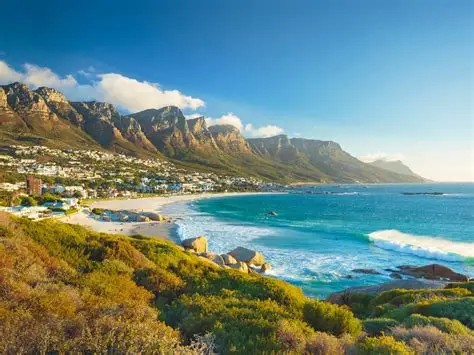
“South Africa remains one of Africa’s most captivating destinations in 2026, offering breathtaking safaris, vibrant cities, and rich cultural traditions. However, updated advisories emphasize the importance of safety awareness, smart planning, and cultural sensitivity to ensure a rewarding journey.”
1. Visa & Entry Requirements
- Visa-free entry: Citizens of the USA, UK, EU, Canada, Australia, and 90+ countries enjoy 90 days visa-free stays.
- Yellow fever certificate: Required only if arriving from endemic countries like Kenya or Uganda.
2. Money & Currency
- Exchange rate: US$1 ≈ R18, making luxury safaris and Cape Town hotels excellent value.
- Tipping culture: 10–15% at restaurants, R20–50 for porters, and 10–15% for safari guides.
3. Safety & Security
- Crime risks: Robbery, carjacking, ATM fraud, and drink spiking are common in Johannesburg, Cape Town, and Durban.
- Transport disruptions: Protests and roadblocks occur frequently; stick to major roads and monitor local media.
- Smash-and-grab thefts: Common at intersections; avoid withdrawing large sums of cash.
4. Cultural Immersion
- Braai culture: Central to South African life; travelers can connect with locals through shared meals.
- Cuisine highlights: Bobotie, koeksisters, ostrich meat, and vegetarian options in the Western Cape.
- Language etiquette: English is widely spoken, but learning basic Afrikaans or Zulu greetings enhances interactions.
5. Practical Travel Tips
- Load-shedding: Power outages are routine; carry power banks and confirm backup systems at accommodations.
- Transport: Car rentals are popular, but avoid driving at night in rural areas. Ride-hailing apps are safer in cities.
- Budgeting: A three-day safari in Kruger costs ~12,000 ZAR; hostels and public transport help budget travelers.
6. Health & Climate
- Malaria risk: Exists near Kruger National Park; prophylaxis may be necessary.
- Water safety: Tap water is safe in most cities, but bottled water is advisable in rural areas.
- Climate



