




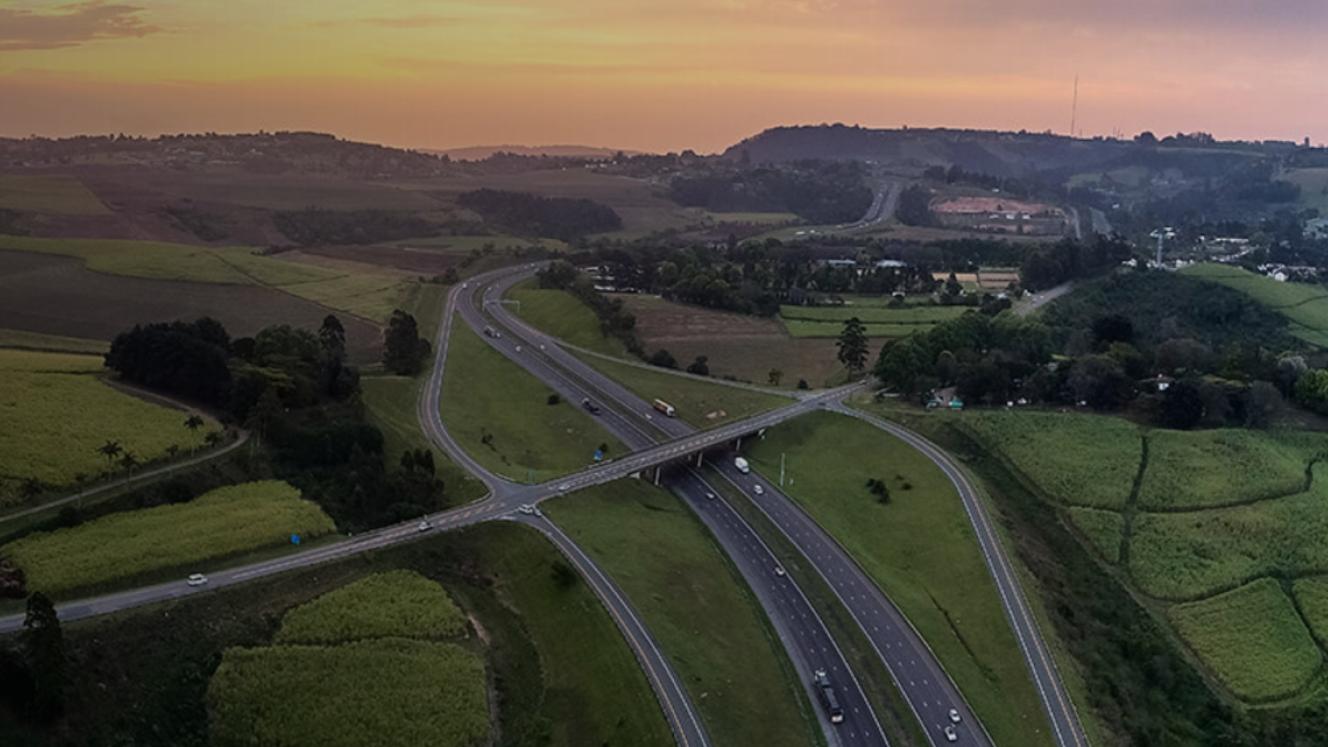
“A stationary vehicle was reported on the N3 Pietermaritzburg-bound carriageway after the Shongweni Interchange on-ramp on 10 November 2026, resulting in a right-lane closure. Motorists have been advised to reduce speed, exercise caution and anticipate possible delays while travelling through the affected section.”
N3 Traffic Disruption Near Shongweni Raises Fresh Road Safety Concerns for South African Motorists
Motorists travelling along the N3 towards Pietermaritzburg have been advised to exercise caution following a traffic disruption near the Shongweni Interchange in KwaZulu-Natal on Tuesday, 10 November 2026. A stationary vehicle was reported after the Shongweni Interchange on-ramp, prompting the closure of the right-hand lane and raising the possibility of delays for motorists using the busy national route.
The incident was reported through South Africa’s road safety information network, Arrive Alive, which advised motorists to reduce speed, remain cautious and anticipate possible traffic delays. Although the advisory did not indicate a major road closure, the restriction is important because the N3 serves as one of the country’s most significant transport corridors, connecting Gauteng with KwaZulu-Natal and supporting passenger travel, commercial logistics and tourism.
Stationary Vehicle Triggers Lane Closure
The reported stationary vehicle on the Pietermaritzburg-bound carriageway created a potential traffic hazard in an area used by motorists entering and leaving the N3 through the Shongweni Interchange.
According to the traffic advisory, the right-hand lane was closed following the incident. Motorists approaching the affected section were encouraged to slow down and exercise additional caution.
Stationary vehicles on high-speed roads can create dangerous conditions, particularly when approaching motorists have limited time to react. The risks become more significant when traffic volumes are high, visibility is reduced or vehicles are travelling at highway speeds.
A lane closure is therefore an important precaution intended to reduce the possibility of collisions while the obstruction is addressed.
However, motorists should not assume that the absence of a complete road closure means that the affected section is safe to approach at normal speeds. Traffic conditions may change quickly, particularly where vehicles are merging, slowing down or attempting to move around an obstruction.
Why the N3 Is Important for South African Travel
The N3 is a major national transport corridor linking Johannesburg and surrounding economic centres with Durban and the KwaZulu-Natal coast.
The route supports several important travel activities, including:
- Long-distance passenger journeys between Gauteng and KwaZulu-Natal.
- Tourist travel between inland destinations and coastal attractions.
- Commercial freight transportation.
- Business travel between major economic centres.
- Daily commuting around metropolitan and regional transport connections.
Consequently, disruptions on the N3 can affect more than motorists travelling directly through the Shongweni area.
A traffic restriction may influence journey times, delivery schedules, commercial vehicle movements and connections with other roads. Even relatively short disruptions can produce delays when traffic volumes are substantial.
For tourism operators, the reliability of the route is particularly important. Visitors travelling between Johannesburg, Durban, the Drakensberg and other destinations frequently depend on the N3 to complete their journeys.
The road therefore remains an important component of South Africa’s domestic tourism infrastructure.
Road Safety Remains a Priority
The latest traffic advisory highlights the importance of road safety awareness when motorists encounter unexpected obstructions.
Drivers travelling through affected sections should avoid sudden braking, unsafe lane changes and attempts to pass other vehicles without sufficient space.
Instead, motorists should maintain an appropriate following distance and observe traffic instructions issued by authorities or road management teams.
Where traffic begins slowing, drivers should reduce speed gradually and remain alert to vehicles ahead.
Heavy vehicles require particular consideration because their stopping distances are significantly longer than those of many passenger vehicles. Sudden changes in traffic flow can therefore create additional risks for trucks and buses.
Motorists should also avoid distractions while driving. Checking mobile phones or attempting to photograph incidents can compromise attention and increase the likelihood of collisions.
Potential Implications for Tourism and Passenger Transport
The N3 plays an important role in supporting South Africa’s tourism economy.
Domestic travellers frequently use the route when visiting coastal destinations, holiday accommodation, cultural attractions and outdoor recreation areas.
Similarly, tour operators and passenger transport businesses depend on predictable road conditions when planning transfers, excursions and long-distance journeys.
An unexpected lane closure may require additional journey time, particularly during busy periods.
Travel planners should therefore consider road conditions when arranging departures, airport transfers, hotel check-ins and connections between destinations.
Although the reported disruption was limited to a lane closure, it illustrates how road incidents can influence the broader travel experience.
Reliable transport infrastructure remains essential for encouraging tourism, supporting businesses and improving accessibility between regions.
Advice for Motorists Travelling Through KwaZulu-Natal
Motorists using the N3 Pietermaritzburg-bound carriageway should remain attentive to traffic information and follow instructions issued by road authorities.
The reported incident provides several practical reminders for travellers.
First, drivers should approach traffic restrictions at reduced speeds. This gives motorists more time to respond when traffic slows unexpectedly.
Second, motorists should maintain sufficient following distances, especially when travelling behind trucks, buses or vehicles carrying passengers.
Third, drivers should avoid unnecessary lane changes near the affected area. Sudden manoeuvres can create additional hazards when traffic is already disrupted.
Fourth, travellers should allow extra time for journeys that pass through the Shongweni Interchange.
Finally, motorists should check updated traffic reports before departure and remain alert for changing road conditions.
Importance of Timely Traffic Information
Traffic advisories provide motorists with valuable information that can help them make safer travel decisions.
In South Africa, road safety platforms such as Arrive Alive publish traffic alerts, safety guidance and information about incidents affecting motorists.
These updates can assist travellers in identifying potential hazards before reaching affected areas.
Nevertheless, traffic conditions are dynamic. An advisory published earlier in the day may not necessarily reflect the situation several hours later.
Motorists should therefore seek updated information when planning journeys and avoid relying exclusively on older reports.
The availability of accurate road information is particularly important during holiday periods, weekends and other periods when highway traffic volumes increase.
Broader Lessons for South African Road Travel
The N3 disruption also demonstrates the importance of effective incident management on national highways.
Road authorities, emergency services and traffic management teams play important roles in responding to stationary vehicles, collisions and other hazards.
Prompt identification of obstructions can help reduce exposure to dangerous conditions and minimise disruption to road users.
At the same time, motorists have a responsibility to follow traffic regulations and cooperate with safety instructions.
Responsible driving practices can reduce the likelihood of secondary collisions and improve the safety of everyone travelling through affected areas.
For commercial transport operators, route planning and communication with drivers remain important elements of operational safety.
Businesses transporting passengers or goods should ensure that drivers receive relevant traffic information and have adequate time to complete journeys safely.
Conclusion
The stationary vehicle reported on the N3 Pietermaritzburg-bound carriageway near the Shongweni Interchange on 10 November 2026 resulted in a right-lane closure and a warning to motorists to reduce speed and anticipate possible delays.
While the reported disruption did not amount to a complete highway closure, it serves as an important reminder of the risks associated with unexpected road obstructions.
The N3 remains a vital transport route for South African motorists, tourists, passenger transport operators and commercial logistics businesses.
For travellers, the immediate priority is to remain alert, observe traffic restrictions and obtain updated information before and during journeys.
Safe driving, effective traffic management and timely road advisories continue to play essential roles in protecting motorists and maintaining reliable transport connections across South Africa.



