




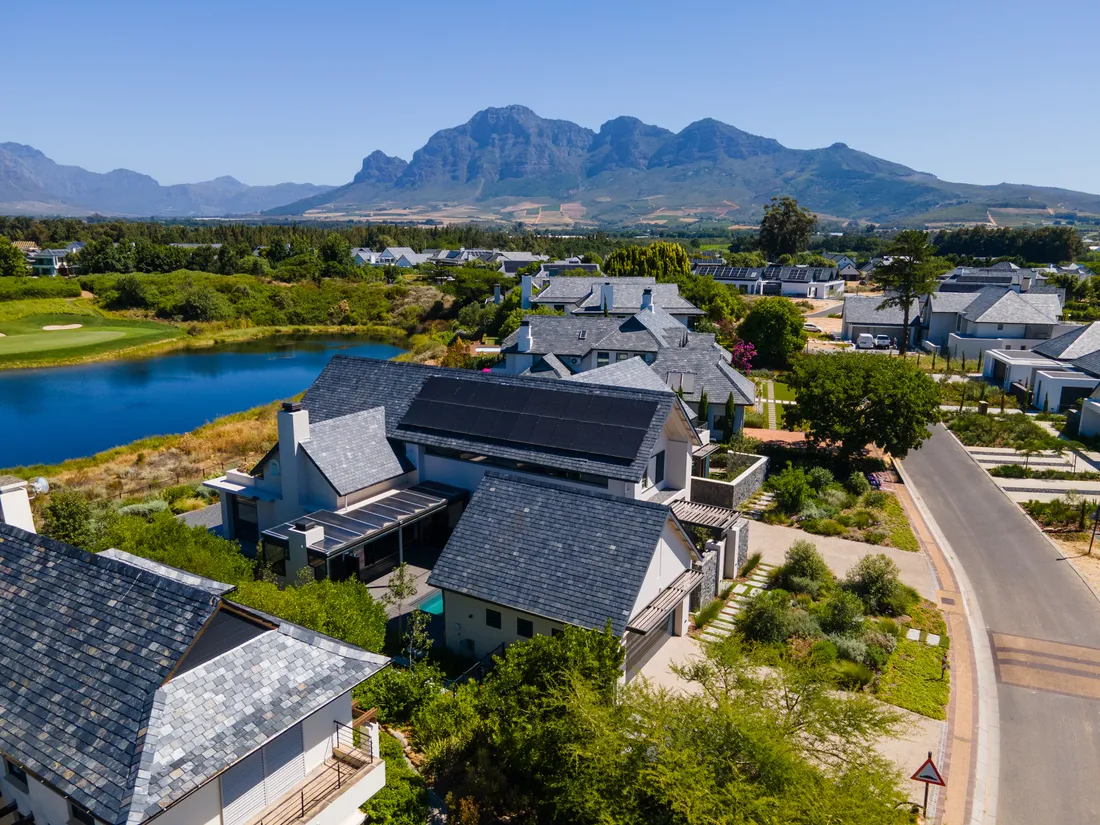
“South Africa’s residential property market in September 2026 is defined by affordability ceilings and slowing national house price growth, yet first-time buyers now make up the majority of home loan applications. Properties under R1.5 million, especially in metros with strong infrastructure and off-grid features, remain resilient and in high demand.”
The South African residential property market has entered a pivotal phase in September 2026. While affordability ceilings and elevated interest rates are slowing overall growth, a new demographic force—first-time buyers—is reshaping the landscape. For the first time in over a decade, more than half of all home loans are being taken out by first-time buyers, signaling a generational shift in housing demand.
Market Overview
- National house price inflation: 3.4% (Lightstone Residential Property Index, September 2026)
- Consumer price inflation: 5.1% (StatsSA CPI, September 2026)
- Prime lending rate: 10.50% (SARB MPC, September 2026)
- Repo rate: 7.00% (SARB MPC, September 2026)
- First-time buyer share: 51.6% (ooba Oobarometer, September 2026)
- Average purchase price for first-time buyers: R1,305,000
These figures reveal a market of two halves: one constrained by affordability ceilings and another buoyed by resilient demand in the sub-R1.5 million segment.
Affordability Ceiling
Household budgets are stretched, with debt-to-income ratios at 62.8%. Elevated interest rates have capped growth, leaving national house price inflation below CPI. This means that in real terms, property values are declining.
First-Time Buyer Surge
The most striking development is the dominance of first-time buyers. Aggressive bank lending policies, including 100%+ loans and reduced deposit requirements, have lowered barriers to entry. This has allowed younger buyers to enter the market, particularly in affordable suburbs.
Flight to Functionality
Demand is increasingly driven by municipal competence and infrastructure reliability. Well-run metros, especially in the Western Cape, command premiums. Properties with off-grid features—solar panels, boreholes, and backup systems—are selling faster and at higher prices than grid-tied homes.
Regional Dynamics
- Western Cape: Premium pricing due to strong governance and infrastructure.
- Gauteng: Attracting buyers seeking affordability compared to Cape Town.
- KwaZulu-Natal: Mixed performance, with coastal properties retaining demand but inland areas facing affordability challenges.
Buyer Behavior
First-time buyers are motivated by:
- Long-term stability in ownership.
- Desire for functional, resilient homes.
- Access to bank financing with minimal deposits.
Risks and Challenges
- Affordability ceiling: Rising debt burdens may limit future growth.
- Interest rate environment: Elevated rates continue to squeeze household budgets.
- Regional inequality: Well-run metros thrive, while poorly managed municipalities lag.
Opportunities
- Developers focusing on affordable housing under R1.5 million are well-positioned.
- Properties with off-grid features are commanding premiums.
- Banks offering innovative financing solutions are capturing new market segments.
Conclusion
The South African residential property market in September 2026 is undergoing a structural transformation. While affordability pressures persist, the surge of first-time buyers has injected resilience into the sub-R1.5 million segment. This demographic shift, combined with demand for functional and infrastructure-reliable properties, is redefining the future of housing in South Africa.



