




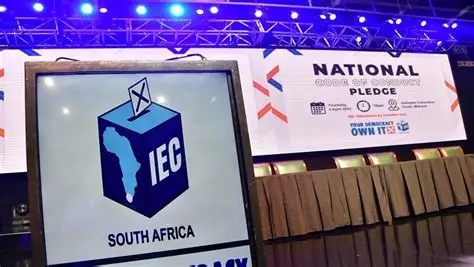
“The Independent Electoral Commission (IEC) has gazetted a new binding code of conduct aimed at countering disinformation in South Africa’s upcoming local government elections. The policy applies to all political parties and candidates, covering both online and offline campaign activities, with specific measures for social media and artificial intelligence.”
South Africa’s democratic institutions are facing one of their most pressing challenges: the rise of disinformation in the digital age. On 7 September 2026, the Independent Electoral Commission (IEC) gazetted a binding Code of Conduct to Counter Disinformation ahead of the November local government elections. This landmark policy seeks to safeguard electoral integrity, protect voters from manipulation, and ensure that democratic processes remain credible in an era dominated by social media and artificial intelligence.
Background
Disinformation has become a global threat to democracy. From manipulated videos to coordinated misinformation campaigns, electoral bodies worldwide are grappling with how to protect voters from false narratives. In South Africa, concerns have grown over the spread of misleading content during past elections, particularly on platforms like Facebook, X (formerly Twitter), and WhatsApp. The IEC’s new code is a direct response to these challenges, building on draft proposals released in June 2026 for public comment.
Key Provisions of the Code
The code is comprehensive, applying to all election-related communications and campaign activities by political parties and candidates. Its scope includes:
- Public commitments: Parties must pledge support for the IEC’s work and uphold standards of integrity.
- Duty to comply: All actors are legally bound to follow the code.
- Information integrity: Campaigns must avoid spreading false or misleading information.
- Digital safeguards: Special measures target online platforms, including the use of artificial intelligence in political messaging.
This means that whether a party posts a campaign video on TikTok, distributes pamphlets in rural areas, or engages in paid advertising, the same standards of truthfulness and accountability apply.
Why It Matters
South Africa’s democracy is vibrant but fragile. The country has witnessed political violence, intimidation, and manipulation in past elections. Disinformation adds another layer of risk, undermining trust in institutions and potentially influencing voter behavior. By introducing binding rules, the IEC is signaling that electoral integrity is non-negotiable.
Moreover, the code addresses AI-generated content, a growing concern globally. Deepfakes and synthetic media can distort reality, making it harder for voters to distinguish truth from fiction. South Africa’s proactive stance places it among the first African nations to legislate against AI-driven disinformation in elections.
Political Reactions
Political parties have responded with mixed views. The ruling African National Congress (ANC) welcomed the code, framing it as essential to protecting democracy. Opposition parties, however, raised concerns about enforcement, questioning whether the IEC has the capacity to monitor millions of online posts. Civil society organizations largely praised the move, noting that it aligns with international best practices.
Enforcement Mechanisms
The IEC has outlined proactive and responsive measures to enforce the code. These include:
- Monitoring online platforms for disinformation.
- Collaborating with tech companies to flag harmful content.
- Penalizing parties or candidates who violate the code, potentially including fines or disqualification.
This enforcement framework is ambitious, but experts caution that success will depend on resources and cooperation from social media companies.
Broader Policy Context
The disinformation code is part of a wider policy push in South Africa. On the same day, the Independent Communications Authority of South Africa (ICASA) announced inquiries into the impact of unregulated over-the-top (OTT) services and the affordability of telecommunications. Together, these initiatives reflect a government increasingly focused on regulating the digital environment.
Implications for Voters
For ordinary South Africans, the code means greater protection against manipulation. Voters can expect campaigns to be held to higher standards of truthfulness. However, the success of the policy will depend on public awareness. The IEC plans to launch educational campaigns to help citizens identify disinformation and report violations.
International Significance
South Africa’s move resonates beyond its borders. Democracies worldwide are struggling with disinformation, and the IEC’s code could serve as a model for other African nations. By explicitly addressing AI-generated content, the policy places South Africa at the forefront of global electoral regulation.
Conclusion
The IEC’s binding code of conduct represents a watershed moment in South Africa’s democratic journey. As the November elections approach, the policy will be tested in real time. If successful, it could strengthen voter confidence, protect democratic institutions, and set a precedent for how nations confront the digital threats of the 21st century.



