




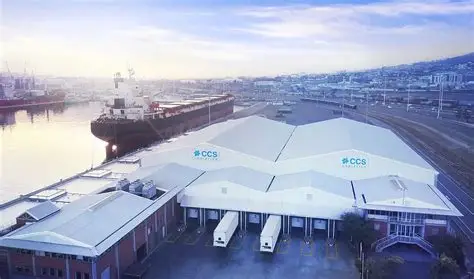
“South Africa’s industrial property market is spearheading the commercial real estate recovery in 2026, with record-low vacancies and strong rental growth driven by logistics and e-commerce. Developers and investors are capitalizing on this momentum, supported by government infrastructure spending and rising REIT confidence.”
South Africa’s commercial property market has entered 2026 with renewed vigor, marking a turning point after years of pandemic-driven uncertainty and sluggish growth. At the heart of this resurgence lies the industrial real estate sector, which has emerged as the star performer, reshaping the country’s economic landscape and attracting unprecedented investor confidence.
Industrial Real Estate: The Star Performer
The industrial property sector has achieved record-low vacancy rates of 3.8% nationwide, underscoring its resilience and attractiveness to investors. Rental growth has surged by 8.4% year-on-year for 500m² spaces, driven primarily by logistics, warehousing, and last-mile distribution demand.
Cape Town’s industrial corridors are experiencing unprecedented activity, with developers such as Fortress Real Estate Investments raising R1.35 billion to expand logistics projects. This wave of development reflects global trends where warehousing and distribution hubs are indispensable for supply chain resilience.
Drivers of Growth
Several factors underpin this industrial boom:
- E-commerce expansion: Online retail growth has accelerated demand for warehousing and distribution centers.
- Government infrastructure spending: The 2026 Budget allocated R417.6 billion to transport and logistics, strengthening industrial absorption.
- Global supply chain resilience: South Africa is aligning with international trends, positioning itself as a logistics hub for Africa.
Economic Impact
The industrial real estate surge is not just about property metrics—it is reshaping the broader economy:
- Job creation: Warehousing and logistics projects are generating employment opportunities across urban and peri-urban areas.
- Infrastructure development: Investments in transport corridors and logistics parks are modernizing South Africa’s economic backbone.
- Investor confidence: REITs and institutional investors are re-entering the market, signaling long-term trust in the sector’s resilience.
Office Market Recovery
While industrial properties dominate headlines, the office sector is showing cautious rebound. National office vacancies dropped to 12.1% in Q2 2026, the lowest since early 2020. Cape Town leads this recovery, attracting professional services and hybrid teams seeking A-grade office space. Johannesburg, however, continues to face oversupply challenges, though strategic conversions of older stock into mixed-use developments are easing vacancy rates.
Retail Nodes Stabilize
Retail, once under severe strain, is stabilizing. Lifestyle-focused malls and convenience centers are attracting steady foot traffic, driven by consumer demand for accessible, experience-oriented shopping. These retail nodes are crucial anchors for mixed-use developments, contributing to community vibrancy and sustainability.
Investor Confidence Returns
Real Estate Investment Trusts (REITs) are regaining investor confidence, buoyed by improved rental yields and stabilized vacancies. Institutional investors are re-entering the market, signaling renewed trust in the sector’s resilience and long-term growth prospects.
Conclusion
South Africa’s industrial real estate sector is not just recovering—it is thriving. With record-low vacancies, strong rental growth, and massive infrastructure investment, industrial properties are redefining the country’s commercial real estate landscape. This resurgence is creating jobs, strengthening supply chains, and restoring investor confidence, positioning South Africa as a key logistics hub in the global economy.



